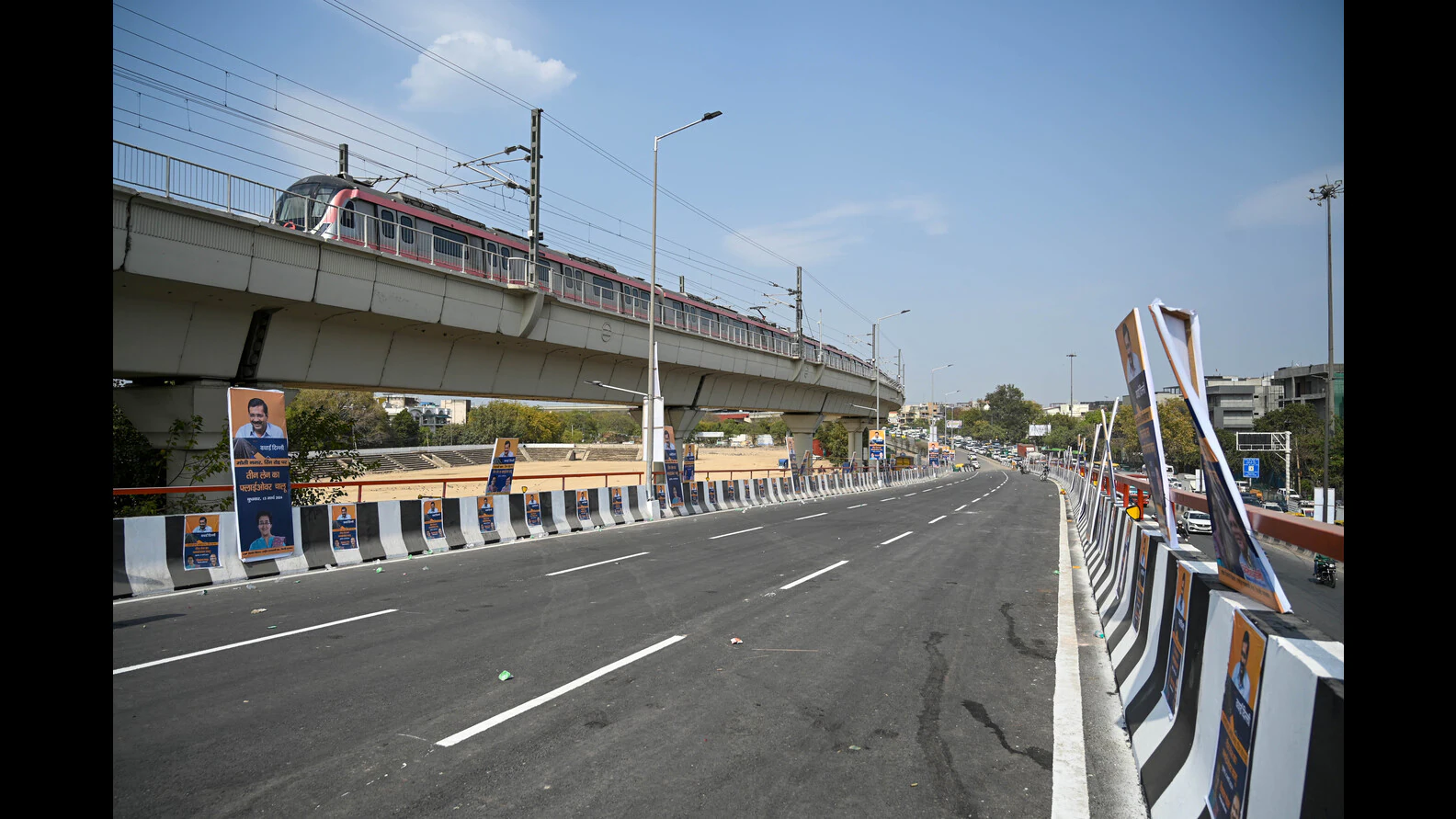
Delhi Begins Structural Upgrades On Key Roads Under PWD Programme
Delhi authorities have initiated a large-scale road infrastructure upgrade programme, allocating over ₹626 crore for structural improvements across several major traffic corridors. The initiative, to be implemented through the city’s public works agency, targets heavily used arterial and connector roads where ageing surfaces and persistent wear have increasingly affected commuting conditions and urban mobility. Officials overseeing the rollout say the programme is centred on long-term durability rather than short-term patchwork repairs. The PWD road strengthening Delhi initiative focuses on rebuilding weakened road layers to improve load-bearing capacity and reduce the frequency of maintenance cycles on high-traffic stretches.
The investment is spread across three administrative zones of the capital. South Delhi will receive the largest share, reflecting the pressure placed on its transport network by dense residential neighbourhoods, commercial districts and through-traffic moving between key parts of the city. North and east Delhi will also see extensive upgrades on roads that serve as important connectors within the wider metropolitan road grid. Urban planners note that Delhi’s road infrastructure faces continuous stress from heavy vehicular density and changing traffic patterns. Many corridors designed decades ago now carry volumes far beyond their original capacity. Strengthening the structural base of roads, rather than resurfacing alone, is considered a more sustainable solution for cities dealing with rapid motorisation and intense freight movement. Several important roads in the southern part of the city have been prioritised for the programme. These include stretches that connect residential clusters, institutional zones and major arterial networks. Service roads near flyovers and elevated corridors are also part of the plan, as these routes often experience severe surface degradation due to continuous traffic merging and turning movements.
Transport infrastructure experts say that improving road durability can have wider benefits for urban mobility. Stronger pavement structures reduce potholes and uneven surfaces that contribute to vehicle damage, traffic delays and higher fuel consumption. More reliable roads also support public transport operations, emergency services and logistics networks that rely on predictable travel conditions. Beyond mobility, urban planners highlight the environmental dimension of road maintenance. Damaged surfaces generate dust and particulate matter, which contributes to air pollution in cities like Delhi. By rebuilding road layers and improving drainage systems along major corridors, authorities aim to reduce dust emissions and extend the life of public infrastructure assets. Officials confirmed that tendering for the PWD road strengthening Delhi programme has already begun, with implementation scheduled to move forward in the current financial cycle. Engineering teams are expected to conduct technical assessments before commencing reconstruction works to ensure that upgrades match traffic loads and soil conditions across different locations.
The investment reflects a broader shift in urban infrastructure policy toward maintaining existing assets rather than relying solely on new construction. For a city where road networks carry millions of daily journeys, strengthening ageing corridors could play a critical role in sustaining mobility, improving commuter safety and supporting economic activity. As construction phases begin, the success of the PWD road strengthening Delhi programme will likely depend on careful coordination with traffic management agencies to minimise disruptions while delivering more resilient urban infrastructure.