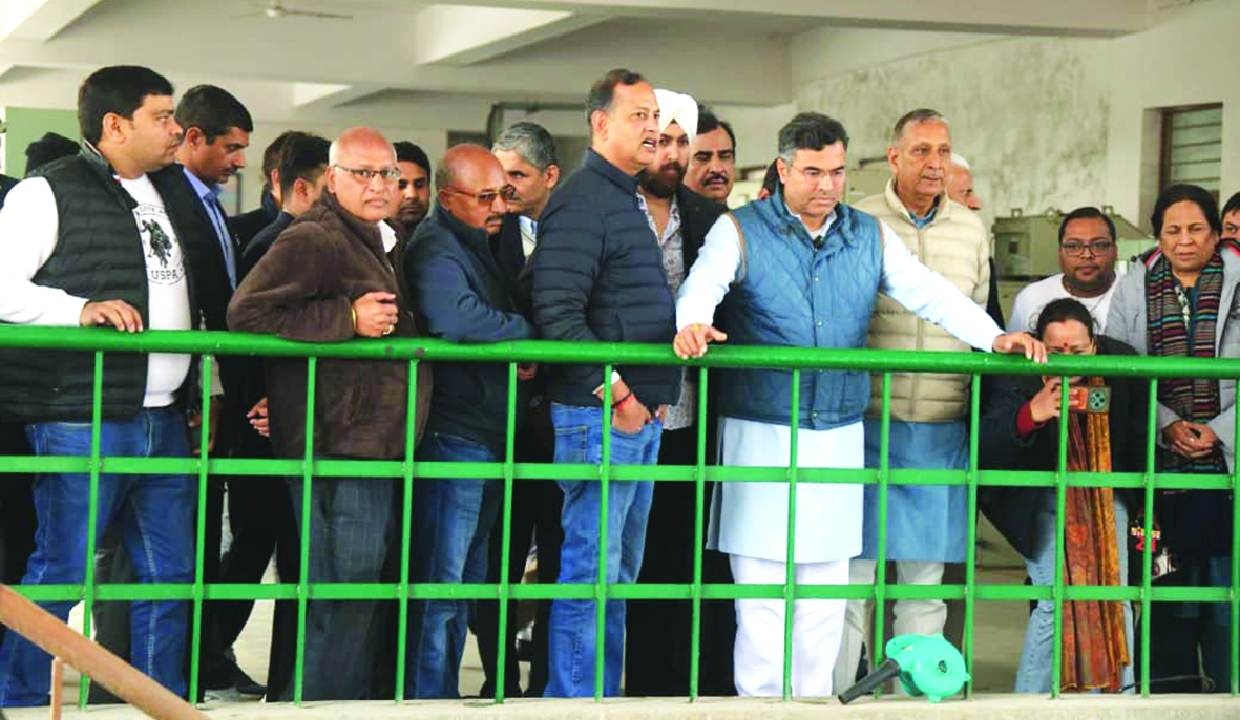
A cluster of new civic upgrades has been initiated in north-west Delhi, where seven public infrastructure works have been rolled out in the Bawana Assembly constituency. The initiatives, concentrated around Rohini’s Sector-24 neighbourhood, aim to strengthen roads and stormwater drainage networks—two critical urban systems that influence mobility, sanitation and flood resilience in rapidly growing city districts. The projects form part of the Bawana infrastructure projects pipeline funded through the state government’s development allocations for local constituencies. Municipal authorities will oversee execution, focusing on street improvements and underground drainage corridors intended to address persistent issues such as waterlogging, uneven road surfaces and ageing civic infrastructure.
Urban planners say such interventions are increasingly necessary as peripheral neighbourhoods of Delhi experience rapid population growth and rising construction density. Areas around Rohini and Bawana have seen continuous residential expansion over the past decade, placing pressure on drainage capacity, road connectivity and other civic services. According to senior government officials involved in the rollout, the new Bawana infrastructure projects are designed to upgrade basic infrastructure rather than introduce large-scale construction. Road resurfacing, drainage installation and supporting civic works are expected to improve neighbourhood accessibility while reducing monsoon-related disruptions that often affect outer districts of the capital. Municipal engineers noted that the work packages are being implemented through the city corporation’s infrastructure development programme. The effort also involves coordination with agencies responsible for water supply, road engineering and civic utilities to ensure the projects integrate with existing service networks.
Urban development experts observe that incremental infrastructure upgrades such as these play a crucial role in maintaining the functionality of large metropolitan systems. While they may not attract the same attention as metro corridors or expressways, neighbourhood-level improvements often deliver the most immediate impact for residents by improving everyday services such as drainage, mobility and street safety. In many expanding Indian cities, inadequate drainage infrastructure has emerged as a growing challenge. Climate variability and intense rainfall events are exposing weaknesses in older drainage systems, particularly in neighbourhoods that have urbanised faster than planned infrastructure could keep pace. Upgrading local stormwater systems, therefore, has become a key part of building climate-resilient urban districts. Officials overseeing the works indicated that multiple civic agencies will continue to collaborate on implementation to avoid delays and ensure technical standards are maintained. Similar upgrades are being planned in other parts of Delhi where local infrastructure gaps remain visible despite broader citywide development programmes.
For residents of Bawana and Rohini, the immediate expectation is straightforward: smoother roads, improved drainage and more reliable neighbourhood infrastructure. For city planners, however, the rollout reflects a broader effort to strengthen the everyday foundations that allow a dense metropolis like Delhi to function efficiently while adapting to future urban growth.