


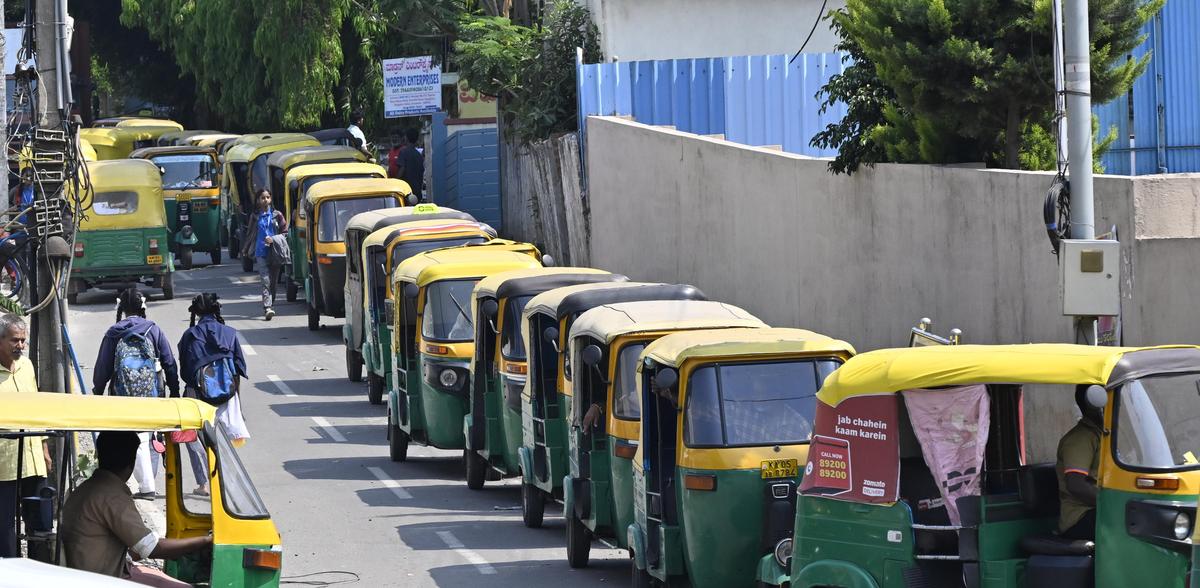
A shortage of liquefied petroleum gas (LPG) in Bengaluru is beginning to disrupt the city’s transport ecosystem, with long queues at refuelling points affecting auto-rickshaw operations and daily commuter movement.
The supply constraints, now visible across several parts of the city, have brought attention to the Bengaluru LPG shortage, highlighting how fuel availability directly influences last-mile connectivity in large urban centres. Auto drivers, who rely heavily on LPG as a cost-effective fuel, are among the worst affected, facing extended wait times and operational uncertainty.Transport analysts note that intermediate public transport systems—such as auto-rickshaws—play a critical role in bridging gaps between formal transit networks and final destinations. Any disruption to their operations can significantly impact urban mobility, particularly in areas with limited bus or metro coverage.The ongoing Bengaluru LPG shortage is also exposing vulnerabilities in fuel distribution systems. Cities dependent on centralised supply chains are susceptible to disruptions caused by logistical bottlenecks, demand surges, or allocation issues. When such disruptions occur, the effects are quickly felt across sectors that rely on consistent fuel access.For commuters, the implications are immediate. Reduced availability of autos can lead to longer waiting times, higher fares, and increased reliance on alternative transport modes, including private vehicles and ride-hailing services.
This shift can exacerbate congestion and add pressure to already strained road networks.The economic impact extends to drivers as well. Time spent in queues translates into lost earnings, while uncertainty around fuel availability makes it difficult to plan daily operations. For many drivers operating on thin margins, such disruptions can have significant financial consequences.Urban planners highlight that the Bengaluru LPG shortage underscores the need for diversified and resilient energy systems within cities. Expanding access to alternative fuels, such as electric mobility solutions, could reduce dependency on a single energy source and enhance system stability.There are also environmental considerations.While LPG is relatively cleaner than traditional fuels, a sudden shift towards petrol or diesel alternatives—driven by supply shortages—could increase emissions and undermine sustainability goals.Policy experts suggest that improving supply chain transparency, maintaining buffer stocks, and strengthening distribution networks could help mitigate future disruptions. Integrating real-time monitoring systems may also enable quicker responses to emerging shortages.
As Bengaluru continues to grow, ensuring reliable access to essential resources like fuel will be critical for maintaining mobility and economic activity. The current Bengaluru LPG shortage serves as a reminder that urban infrastructure resilience must extend beyond transport systems to include the energy networks that power them.
Also Read:Bengaluru Knee Replacement Approach Focuses On Patients
