


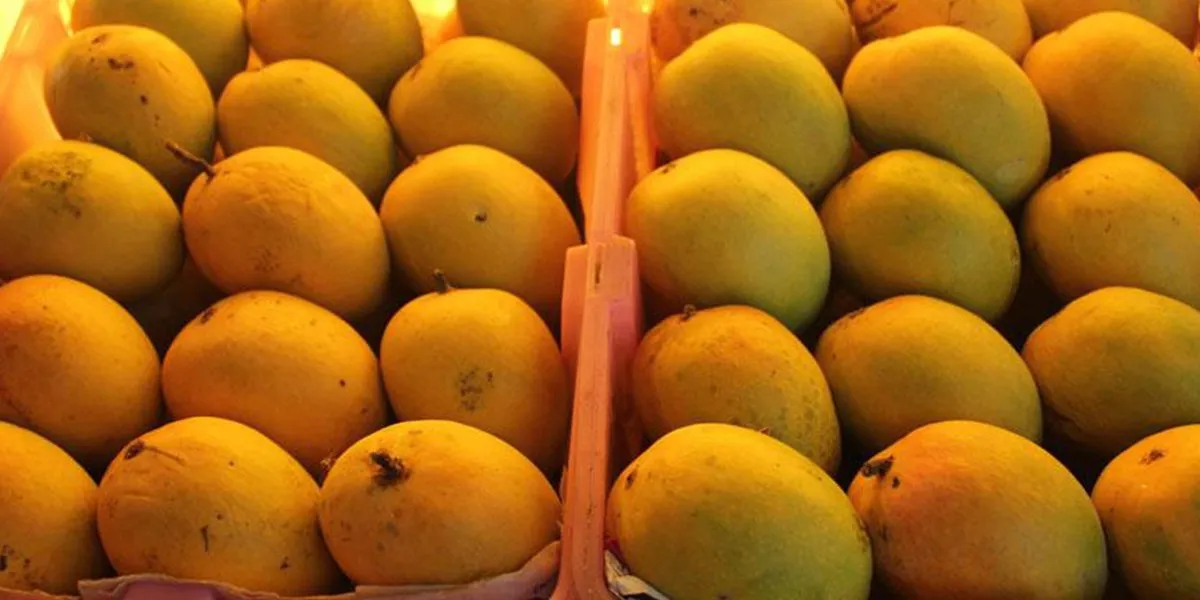
Chennai’s annual mango season has begun on a subdued note, with delayed arrivals and limited supply affecting wholesale and retail markets across the city, reflecting broader shifts in agricultural cycles and supply chain dynamics.
Traders report that the onset of the Chennai mango season has been slower than usual this year, with key varieties yet to reach peak availability. The delay is being attributed to weather variability in major producing regions, where unseasonal conditions have impacted flowering and fruit development.Market observers note that Chennai, a major consumption hub, relies heavily on supply from neighbouring states and intra-state agricultural belts. Any disruption in production timelines tends to have a direct impact on availability and pricing within urban markets.The current Chennai mango season trend underscores the sensitivity of city food systems to climate and regional agricultural patterns.The slow start has implications for both consumers and vendors. Retail prices are typically higher during the early phase of the season due to limited supply, affecting affordability for households. At the same time, traders and small vendors face reduced volumes, which can impact daily earnings during a period that usually sees strong demand.Agricultural experts highlight that changing weather patterns—particularly temperature fluctuations and irregular rainfall—are increasingly influencing crop cycles.
Mango cultivation, which is highly sensitive to climatic conditions, is particularly vulnerable.This has led to variability not only in yield but also in the timing of harvests.From an urban economic perspective, seasonal produce like mangoes plays a significant role in supporting informal retail networks. Street vendors, local markets, and small-scale distributors depend on predictable supply cycles to sustain business activity. A delayed Chennai mango season can therefore ripple through the local economy, affecting livelihoods tied to the food supply chain.There are also broader food system considerations.Cities like Chennai are increasingly examining ways to build resilience into their supply chains, including diversifying sourcing regions and improving storage and logistics infrastructure. Such measures can help mitigate the impact of seasonal disruptions.Sustainability experts point to the need for climate-adaptive agricultural practices to stabilise production. Techniques such as improved irrigation management, climate-resilient crop varieties, and better forecasting systems could help farmers manage variability more effectively.As the season progresses, traders expect supply to stabilise and volumes to increase, which may ease prices and restore normal market activity.
However, the delayed start to the Chennai mango season serves as a reminder of the growing interplay between climate conditions and urban consumption patterns.In the long term, ensuring consistent supply of seasonal produce will require coordinated efforts across agriculture, logistics, and urban planning to create more resilient and adaptive food systems.
Also Read:Chennai Urban Heat Hotspots Raise Climate Concerns
