


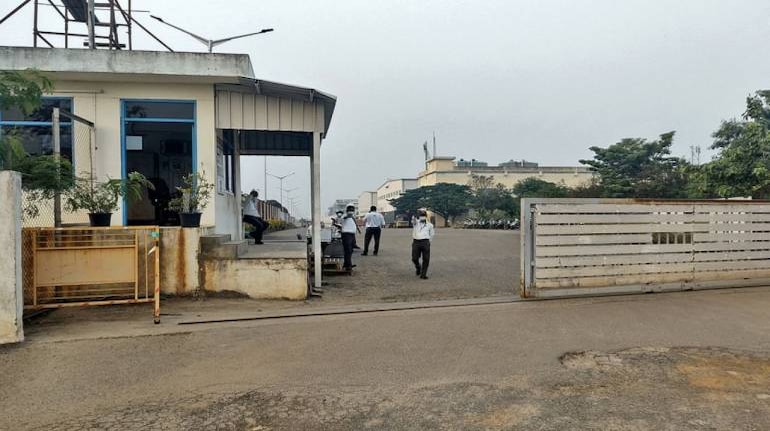
A recent judicial pronouncement in Chennai has clarified the limits of individual settlements in labour disputes, reinforcing the principle that agreements reached with select workers cannot automatically apply to the entire workforce.
The ruling by the Madras High Court comes at a time when industrial relations in urban centres are becoming increasingly complex, with diverse employment structures and evolving workplace practices. The decision, central to the Chennai labour settlement ruling, underscores the importance of collective representation in resolving disputes.
Legal experts note that the judgement strengthens safeguards for workers by ensuring that negotiated settlements must reflect broader consensus rather than isolated agreements. In large organisations, where workforce dynamics vary significantly, individual settlements may not adequately address the interests of all employees. The court’s interpretation reinforces the role of unions and collective bargaining mechanisms in maintaining fairness.The Chennai labour settlement ruling has wider implications for industries operating in metropolitan regions.As cities like Chennai continue to attract manufacturing, services, and technology investments, the need for clear and consistent labour frameworks becomes critical. Businesses rely on predictable dispute resolution mechanisms, while workers seek equitable treatment and transparency.
From an economic standpoint, the ruling may influence how companies approach negotiations with employees. Organisations may need to adopt more structured engagement processes, involving recognised worker representatives to ensure that agreements are legally robust and broadly applicable. While this could lengthen negotiation timelines, it may also reduce the risk of future disputes.Urban policy analysts highlight that labour stability is a key factor in sustaining economic growth. Cities with well-defined and enforceable labour practices tend to attract long-term investment, as they offer a more predictable operating environment. The Chennai labour settlement ruling contributes to this by clarifying legal boundaries and expectations.There are also social implications. Ensuring that all workers are adequately represented in settlement processes supports inclusivity and reduces the likelihood of inequitable outcomes. In a diverse workforce, particularly in sectors with varying skill levels and employment conditions, collective mechanisms help balance competing interests.However, experts caution that effective implementation will depend on awareness and enforcement. Both employers and employees must be informed about the legal framework governing settlements to avoid misinterpretation and potential conflicts.
As Chennai continues to expand as an industrial and economic hub, the ruling highlights the evolving intersection of law, labour, and urban development. Establishing clear principles around worker representation and dispute resolution will be essential in fostering both economic efficiency and social equity in the city’s growth trajectory.
Also Read:Chennai New College Courses Align With Industry Needs
