Chandigarh March Weather Shift Signals Climate Variability
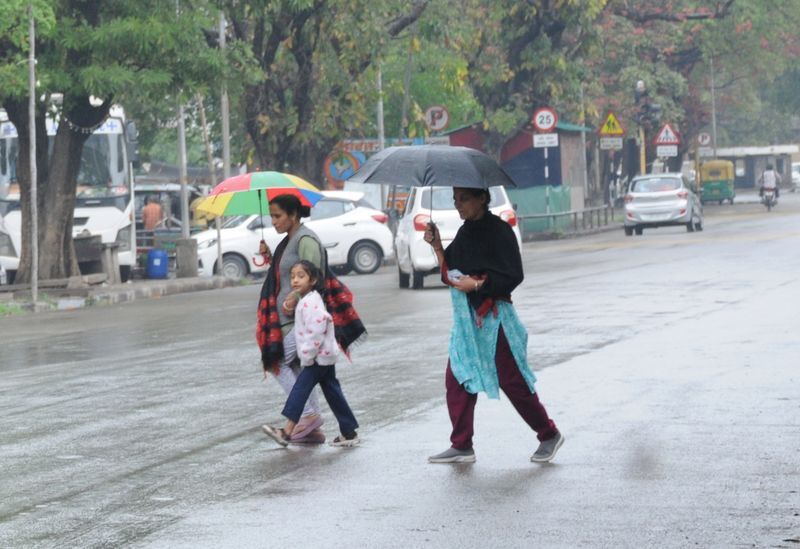
A volatile weather pattern in Chandigarh during March has highlighted growing climate variability, with the city recording both elevated temperatures and its wettest March in two years. The unusual combination underscores shifting seasonal dynamics that are increasingly influencing urban infrastructure, water systems, and daily life.
According to meteorological data, the city recorded an average maximum temperature of 29.7°C—its highest for March since 2022—indicating a pronounced early heat trend. At the same time, total rainfall reached around 23 mm, exceeding the long-term average of 18.6 mm and marking a significant recovery from last year’s deficit. The month was characterised by sharp intra-seasonal variation. The first half saw prolonged dry conditions and temperatures rising well above normal, driven by the absence of rain-bearing systems. This was followed by a series of active western disturbances in the latter half of March, bringing rainfall, cloud cover, and a temporary drop in temperatures.
Urban planners point out that such fluctuations are becoming more common across north Indian cities. March, traditionally a transitional month between winter and summer, is now witnessing overlapping weather extremes—heat stress followed by sudden precipitation events. These shifts complicate planning for drainage, water supply, and energy demand, particularly in rapidly urbanising regions. The rainfall itself, while beneficial in easing heat and improving air quality, introduces a different set of challenges. Sudden showers can overwhelm stormwater systems not designed for erratic pre-monsoon rainfall, leading to localised waterlogging. At the same time, temperature swings affect construction schedules, outdoor labour productivity, and transport operations. Data trends also reflect broader inconsistencies. While this year’s rainfall was above average, it still remained below peaks recorded in recent years, indicating high inter-annual variability rather than a consistent upward trend.
This unpredictability is increasingly seen as a defining feature of regional climate patterns. From a climate resilience perspective, the March weather shift in Chandigarh reinforces the need for adaptive urban systems. Experts suggest that infrastructure planning must now account for both heat extremes and short-duration rainfall events occurring outside traditional monsoon periods. This includes strengthening drainage networks, incorporating heat-resistant building design, and integrating weather forecasting into city operations. The implications extend beyond infrastructure. Changing weather patterns affect public health, particularly through heat stress and vector-borne risks linked to intermittent rainfall. They also influence water resource management, with cities needing to capture and store episodic rainfall more effectively.
As April approaches, forecasts indicate continued influence of western disturbances, suggesting that weather variability may persist into the early summer period. For Chandigarh, the emerging pattern signals a broader shift—from predictable seasonal cycles to dynamic and often unpredictable weather systems. The ability of cities to respond to these changes will increasingly define their resilience, shaping how urban environments adapt to a changing climate reality.