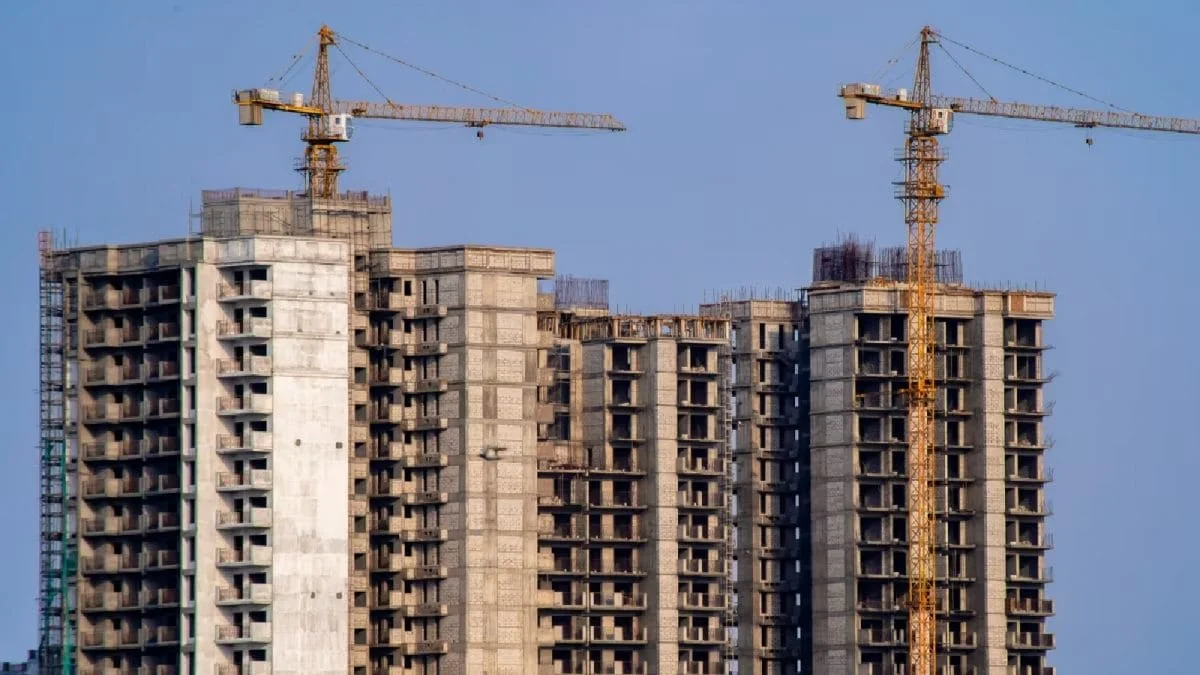
India Construction Costs Rise From Hormuz Supply Disruption
Urban construction projects across India are feeling early ripples from global geopolitical tensions as supply chain disruptions tied to the Strait of Hormuz crisis are pushing up the cost and delivery times of key building materials. The development highlights how interconnected international logistics and domestic infrastructure programmes have become, particularly for materials that form the backbone of urban expansion and sustainable construction.
The Strait of Hormuz — a narrow maritime passage through which roughly one-fifth of the world’s oil trade flows — has been at the centre of heightened geopolitical volatility in recent weeks. Interruptions there have triggered longer shipping routes around Africa’s Cape of Good Hope, adding significant time and expense to the movement of goods including steel, aluminium and other essential construction inputs. Industry reports show that extended transit times of 10–20 days and surcharges on rerouted shipments have translated into meaningful cost increases for imported construction materials. Steel prices alone have climbed by around 20 per cent in some segments, adding an estimated ₹50 per square foot to the cost of high-rise construction in major Indian cities. Steel, cement, tiles and aluminium account for a large share of construction budgets — often more than 60–70 per cent of project costs — making even modest price upticks a critical factor for builders and developers. As material costs rise, developers face pressure to absorb expenses or pass them on to end buyers, potentially slowing project timelines or impacting housing affordability.
For urban planners and infrastructure authorities, these material cost pressures arrive at a sensitive moment. Many cities are ramping up sustainable transport networks, affordable housing schemes and climate-resilient public facilities. Delays or cost escalations in foundational materials could strain municipal budgets and force recalibrations of project phasing, particularly where tight deadlines are linked to public financing or social housing targets.Supply chain experts note that while India sources many materials domestically, the country remains dependent on imports for specialised or semi-finished products, and global logistics disruptions can cascade through even local markets. Extended shipping routes also increase exposure to volatile fuel prices, which further feeds into freight costs and, by extension, construction input prices. Developers in Mumbai, Delhi-NCR and Hyderabad — cities with some of the largest ongoing residential and commercial pipelines — are already revisiting procurement strategies. Some are increasing inventory buffers for critical materials, while others are negotiating longer-term supply contracts to hedge against further disruptions.The situation also underscores the importance of diversified supply chains and enhanced domestic production capacity for critical construction inputs. Boosting local steel and aluminium production, for instance, could reduce exposure to international chokepoints and provide greater cost stability for long-term infrastructure plans.
Looking ahead, the duration and severity of geopolitical disruptions will be key variables. If supply chain pressures persist, they could temper the pace of construction activity and influence how urban projects are planned and executed. For now, stakeholders across the built environment are bracing for continued volatility in material costs — a reminder that global events can have very local consequences for cities and communities.