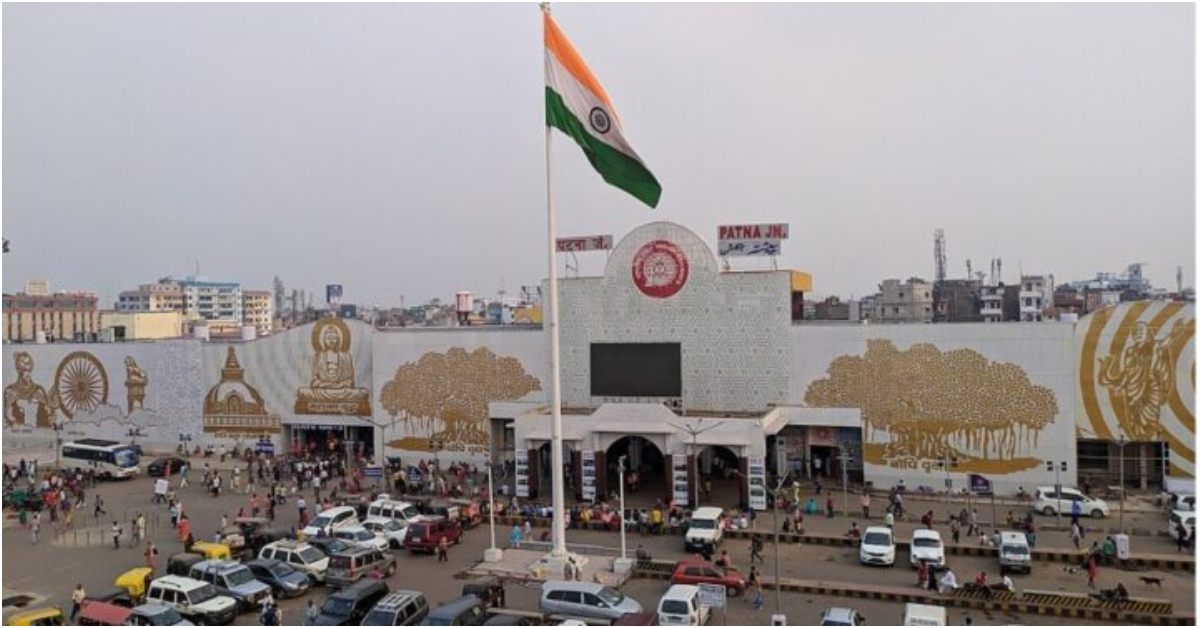
Patna is set to strengthen its urban safety and public infrastructure with the installation of 35 high mast lighting systems across key areas, marking a targeted intervention to improve night-time visibility and civic confidence. The project, backed through institutional funding support, is expected to address poorly lit zones and enhance safety in densely populated neighbourhoods.
According to officials involved in the initiative, each lighting tower will rise to approximately 12.5 metres and will be strategically positioned across multiple wards under the municipal jurisdiction. The deployment is intended to illuminate major intersections, public spaces, and areas with high pedestrian and vehicular movement, where conventional street lighting has proven inadequate. The high mast lighting project is part of a broader effort to modernise urban infrastructure in Patna, where uneven lighting has long been linked to safety concerns, reduced economic activity after dark, and limited accessibility for vulnerable groups. Improved illumination can play a critical role in extending the functional hours of public spaces, particularly for informal workers, small businesses, and commuters who rely on safe mobility during early morning and late evening hours.
Urban planners highlight that high mast lighting systems offer wider coverage compared to traditional streetlights, making them more efficient in large open areas such as junctions, markets, and transit corridors. By reducing dark spots, such infrastructure can also contribute to lowering petty crime risks and improving traffic management, especially in high-density zones. The financial outlay for the project, estimated at over ₹1.5 crore under a corporate social responsibility framework, reflects an increasing trend of blended funding in urban infrastructure delivery. While public agencies remain central to planning and execution, external funding support is becoming more prominent in bridging resource gaps for civic upgrades.
From a sustainability standpoint, experts emphasise the importance of integrating energy-efficient lighting technologies, such as LED-based systems, within such projects. Modern high mast lights can significantly reduce electricity consumption while maintaining high luminance levels, aligning with broader goals of reducing urban energy demand and operational costs. The initiative also signals a shift towards more people-centric urban planning. Well-lit public environments are closely linked to perceptions of safety, particularly for women, children, and the elderly. In cities undergoing rapid expansion like Patna, investments in basic yet impactful infrastructure—such as lighting—can influence how inclusive and accessible urban spaces become.
However, implementation quality will determine long-term success. Experts point to the need for regular maintenance, smart monitoring systems, and integration with broader city management frameworks. Without these, infrastructure risks deterioration, undermining its intended benefits. As Patna continues to evolve, the high mast lighting rollout represents a focused attempt to improve everyday urban experience. If scaled effectively, such interventions could contribute to safer, more functional, and economically active city spaces after dark.