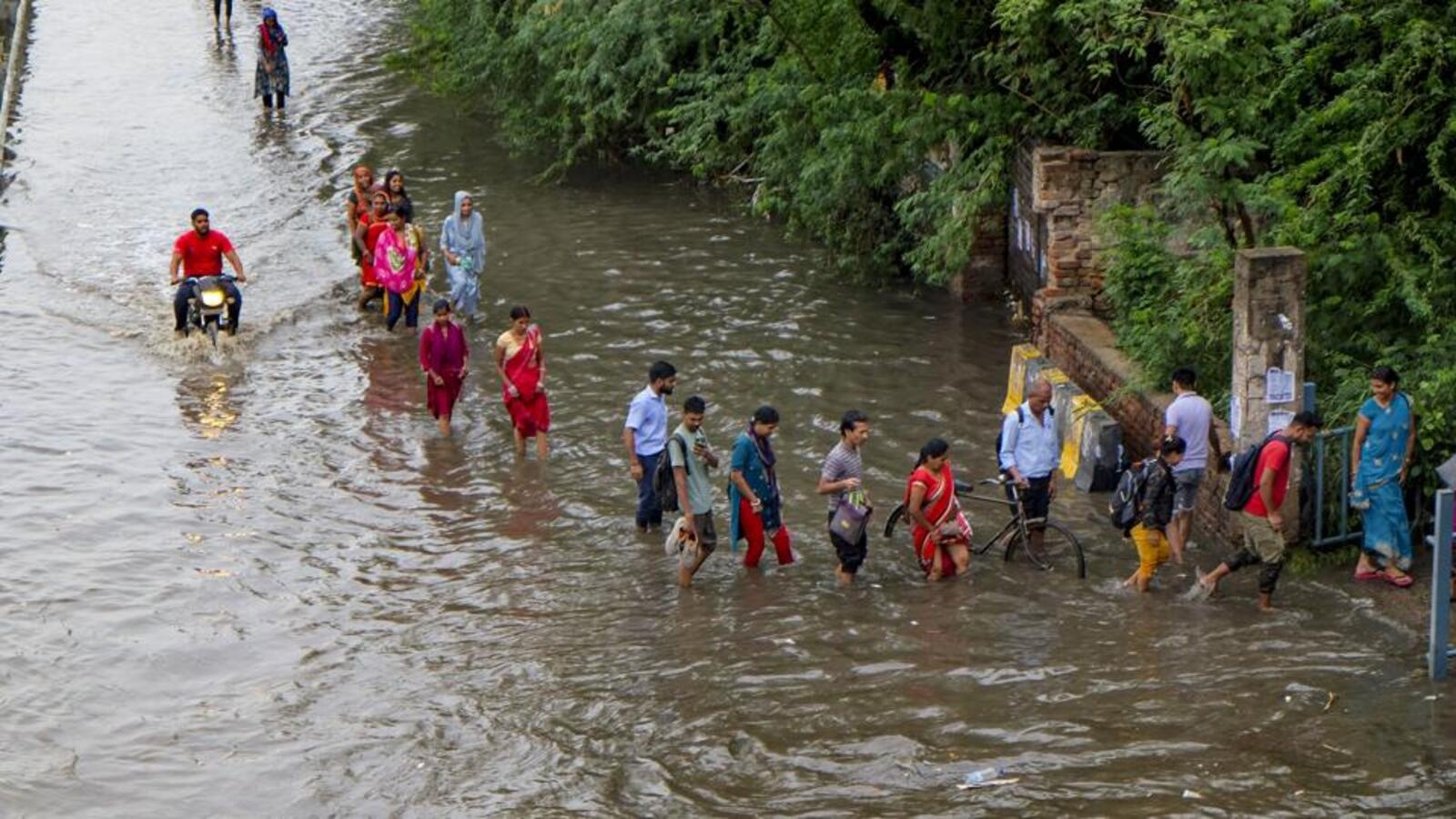
Gurugram Monsoon Preparedness Focuses On Drainage And Safety
Urban authorities in Gurugram have begun an early push to strengthen drainage systems and identify flood-prone locations ahead of the upcoming rainy season, reflecting growing concern over the city’s vulnerability to waterlogging during intense monsoon spells. The initiative forms part of a broader Gurugram monsoon preparedness strategy aimed at reducing disruption to mobility, housing clusters and commercial districts during heavy rainfall. Municipal teams from the city’s engineering and sanitation departments have started field-level assessments to pinpoint areas where rainwater accumulation has historically caused traffic disruption and property damage. Officials say the exercise will allow authorities to undertake preventive repairs and improve stormwater flow before seasonal rainfall intensifies.
Urban flood management has become a recurring challenge in the rapidly expanding National Capital Region city. Large-scale real estate development, combined with reduced natural drainage channels and paved surfaces, has increased the likelihood of surface runoff during heavy showers. Strengthening Gurugram monsoon preparedness is therefore seen as essential not only for public safety but also for maintaining economic activity in one of the region’s major corporate hubs. As part of the latest effort, municipal authorities are working with civil society organisations that specialise in urban safety audits and environmental monitoring. These groups will assist in identifying vulnerable stretches of roads, neighbourhood junctions and drainage corridors that require urgent intervention. The assessments will involve on-ground surveys conducted alongside resident groups and elected local representatives. Urban planning experts note that such collaborative mapping exercises can improve the accuracy of infrastructure planning. By integrating local knowledge with technical analysis, authorities can prioritise stormwater management upgrades in locations where the risk to commuters and residents is highest. Municipal officials overseeing the initiative have emphasised the need for coordination across multiple civic departments responsible for sanitation, engineering works and drainage maintenance.
Early cleaning of stormwater drains, repair of damaged culverts and removal of debris from channels are among the steps expected to be undertaken before the peak monsoon period. Citizen participation is also being encouraged as part of the Gurugram monsoon preparedness strategy. Residents have been asked to report water accumulation points, blocked drains or damaged road infrastructure in their neighbourhoods so that municipal teams can respond before rainfall intensifies. Environmental planners say proactive measures are particularly important for cities experiencing rapid urbanisation. Without continuous maintenance and early planning, drainage infrastructure can quickly become overwhelmed during short but intense rain events linked to changing climate patterns. The current exercise is expected to generate a detailed dataset of vulnerable sites across the city, enabling authorities to prioritise engineering solutions and allocate resources more effectively. Over time, such data-driven planning could help reduce seasonal disruptions that affect transport networks, residential areas and commercial centres during heavy rainfall.
As the monsoon approaches, civic agencies will need to translate these early assessments into tangible on-ground improvements. For a city that serves as a major employment and business hub in the National Capital Region, strengthening drainage resilience remains central to building a more climate-ready urban environment.