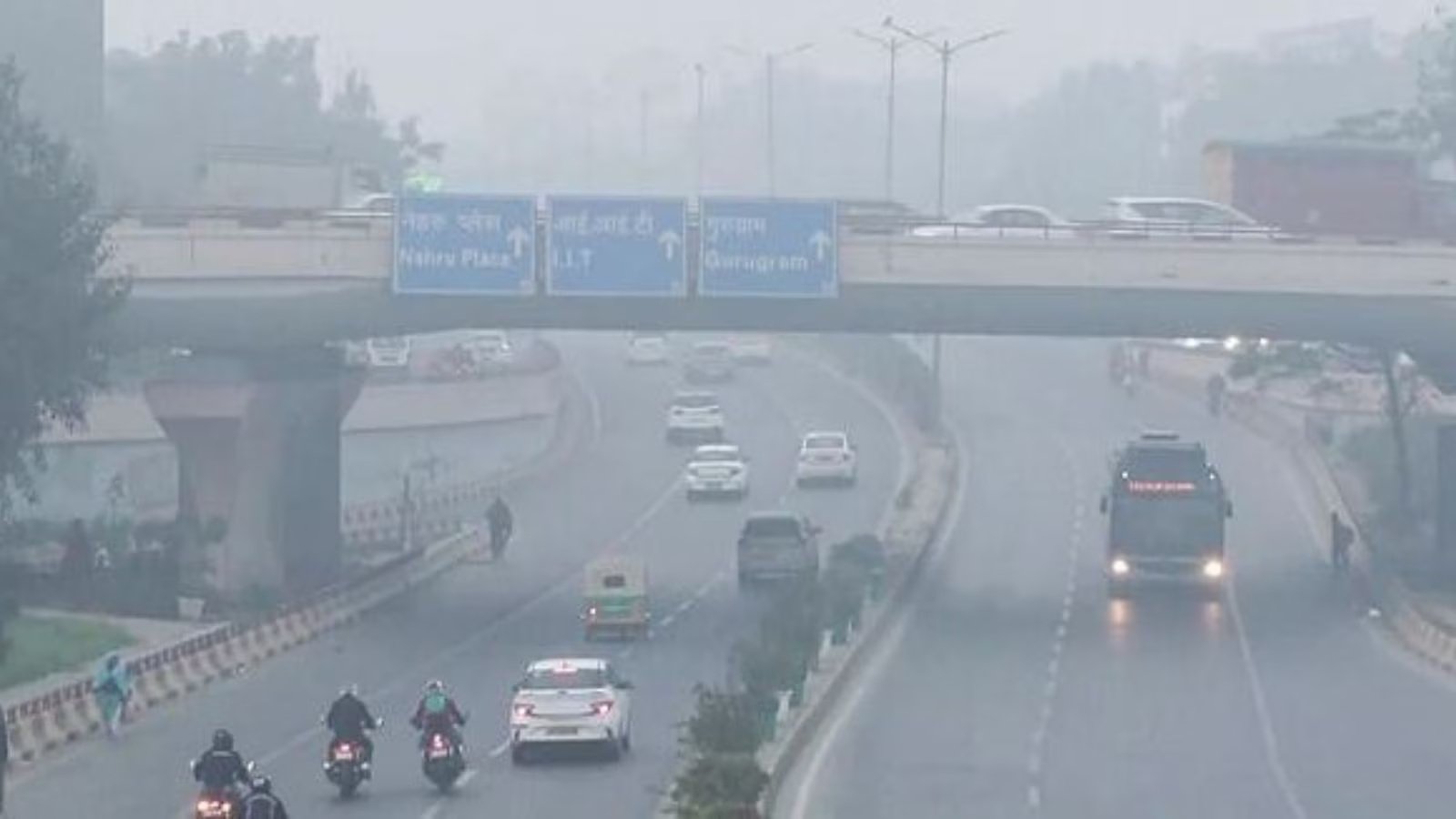
Unsettled atmospheric conditions have brought Delhi cloudy skies and gusty winds to the national capital, signalling a broader shift in weather patterns affecting several parts of India as the summer season approaches. Meteorological authorities have warned of thunderstorms, lightning and scattered rainfall across multiple regions, highlighting the increasing variability in seasonal climate trends. Residents across Delhi experienced overcast conditions and strong surface winds early in the day, with the weather system expected to produce light rainfall and thunderstorms during the afternoon and evening hours. Forecasts suggest wind speeds could strengthen intermittently, accompanied by short spells of rain that may temporarily lower temperatures in the city.
The current weather pattern reflects a wider disturbance stretching across northern India. Meteorologists indicate that several states in the north-western region are likely to experience thunderstorms and moderate rainfall over the coming days. These systems may also bring occasional hailstorms and squally winds in isolated pockets, particularly in hilly areas and adjoining plains. In the capital, the presence of Delhi cloudy skies has provided temporary relief from rising early summer heat. Temperature projections indicate that daytime highs are likely to remain relatively moderate compared with typical seasonal levels, while minimum temperatures are expected to stay within a comfortable range for the next few days. However, the atmospheric conditions have also intensified suspended dust levels, reducing visibility across parts of the city and contributing to weaker air quality indicators. Pollution monitoring stations reported that particulate matter concentrations remained elevated during the morning hours, placing air quality in the “poor” category according to national standards. Urban environmental experts note that weather disturbances such as thunderstorms and dust-laden winds often occur during the transition between winter and pre-monsoon seasons. Strong winds lift soil and dust from surrounding arid regions before dispersing it across urban centres in the Indo-Gangetic plains.
For rapidly growing metropolitan areas like Delhi, these weather events also highlight the interaction between climate variability and urban development patterns. Construction activity, exposed soil surfaces and traffic emissions can amplify the environmental impact of dust storms and unstable atmospheric conditions. Beyond the capital, meteorological forecasts indicate that several regions across eastern, central and northeastern India could experience thunderstorms accompanied by strong winds and occasional rainfall. Coastal and southern states may also witness scattered showers with gusty winds as moisture-laden systems move inland. Experts say such widespread weather variability underscores the need for climate-resilient urban planning. Investments in green cover, dust mitigation measures at construction sites and better monitoring of environmental indicators are increasingly considered essential to protect urban populations from both pollution spikes and extreme weather events. While the rain associated with Delhi cloudy skies may temporarily wash out airborne dust and improve visibility, environmental analysts caution that sustained improvements in air quality will depend on long-term measures to control emissions and urban dust sources.
As shifting weather systems continue to influence large parts of the country, authorities are urging residents to monitor official advisories and prepare for sudden thunderstorms, strong winds and temporary disruptions in outdoor activities.