


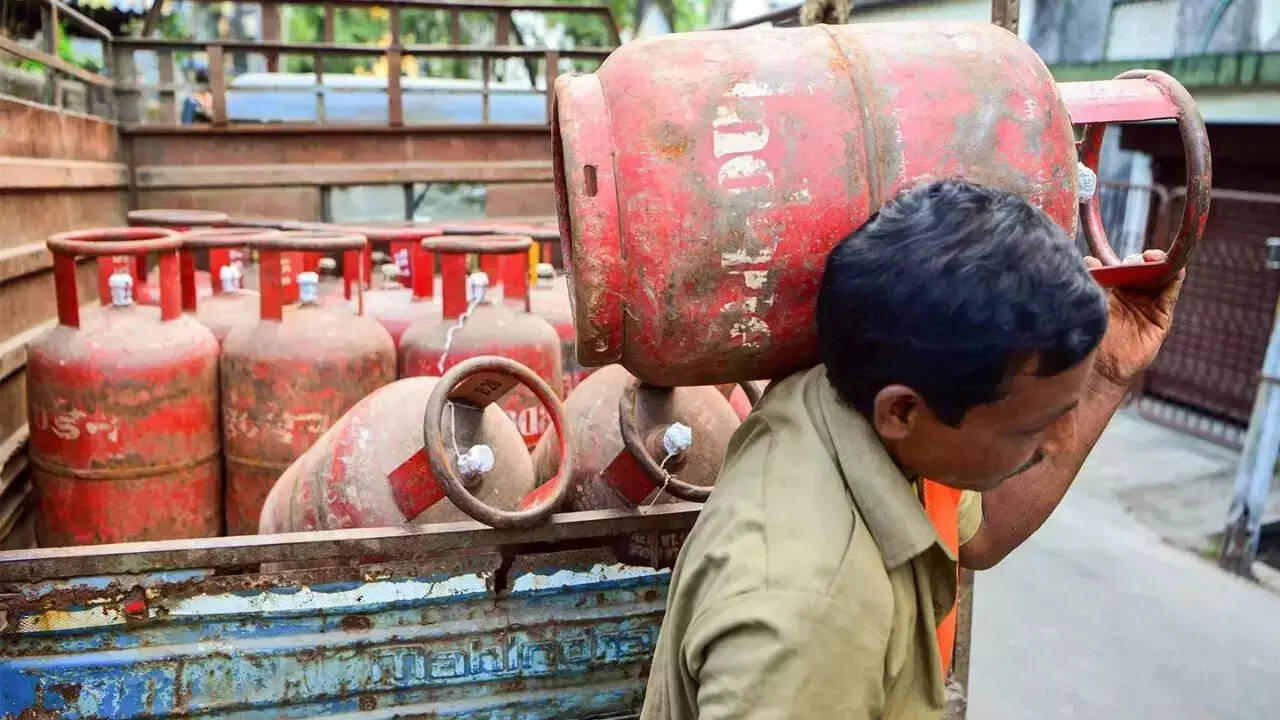
A sharp disruption in cooking gas supplies has triggered widespread closures of fuel outlets across Bengaluru, exposing vulnerabilities in the city’s energy distribution systems and raising concerns over urban resilience during supply shocks.
The ongoing Bengaluru LPG crisis has led to nearly half of the city’s LPG dispensing stations ceasing operations, according to industry stakeholders. The shortage has affected both commercial and domestic consumers, with restaurants, small businesses, and households reporting difficulties in securing regular supplies.Officials familiar with the situation point to supply chain disruptions as a key factor behind the shortfall. Bottlenecks in transportation, coupled with rising demand, have strained the distribution network, particularly in a city with rapidly expanding consumption patterns. As Bengaluru’s population grows and commercial activity intensifies, the demand for LPG has surged, placing additional pressure on existing infrastructure.The impact is being felt unevenly across the city. High-density residential and commercial areas have reported longer wait times and limited availability, while peripheral zones face more severe shortages due to logistical challenges.For many small-scale food businesses, the disruption has translated into reduced operating hours and financial losses, highlighting the fragile link between energy access and urban livelihoods.
Urban planners note that the Bengaluru LPG crisis reflects a broader issue of dependency on single-source energy systems. Cities that rely heavily on centralised fuel supply chains are more susceptible to disruptions, particularly during periods of geopolitical uncertainty or logistical constraints.Diversifying energy sources and strengthening last-mile delivery systems are increasingly seen as essential to ensuring continuity.The situation also raises environmental and planning concerns. In the absence of reliable LPG access, some users may turn to alternative fuels such as firewood or diesel-based options, which carry higher emissions and undermine air quality goals. This runs counter to efforts aimed at building cleaner, low-carbon urban ecosystems.From a governance perspective, the crisis underscores the need for coordinated action among energy providers, transport agencies, and civic authorities. Experts suggest that real-time monitoring of supply levels, improved storage capacity, and decentralised distribution hubs could help mitigate similar disruptions in the future.The episode has also renewed focus on the role of policy in strengthening urban energy security. As Bengaluru continues to expand as a major economic hub, ensuring uninterrupted access to essential fuels will be critical not only for households but also for sustaining commercial activity and investor confidence.
While temporary measures may stabilise supply in the coming weeks, the current disruption serves as a reminder that infrastructure planning must keep pace with urban growth. Building resilient, diversified energy systems will be central to safeguarding cities against future shocks and ensuring equitable access for all residents.
Also Read:Bengaluru Kanpur Special Train Enhances Summer Connectivity
