


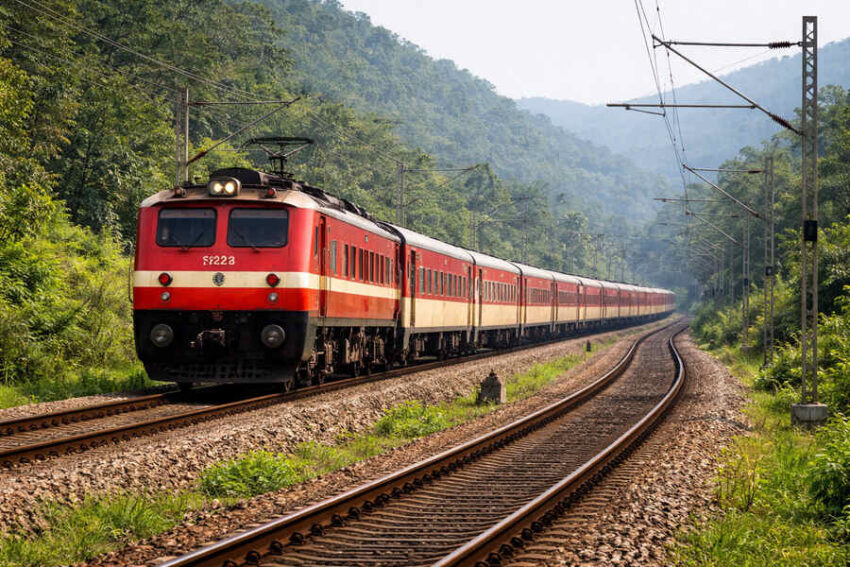
Rail authorities have introduced a seasonal train service connecting Bengaluru and Kanpur to manage rising passenger demand during the summer travel period, underscoring the continued importance of long-distance rail connectivity in India’s urban mobility ecosystem.
The Bengaluru Kanpur special train is being deployed as an interim capacity solution to address increased inter-city movement, particularly among migrant workers, students, and families travelling between southern and northern regions. The route connects one of India’s largest technology hubs with a major industrial centre in Uttar Pradesh, reflecting strong socio-economic ties between the two regions.Officials overseeing railway operations indicate that seasonal trains are a critical tool in managing peak demand without committing to permanent infrastructure expansion. During high-travel periods such as school holidays and festive seasons, regular services often face overbooking, placing pressure on the existing network. The addition of the Bengaluru Kanpur special train aims to ease this congestion while maintaining affordability compared to air travel.Urban economists highlight that such rail services play a significant role in sustaining labour mobility. Bengaluru’s economy relies heavily on a diverse workforce drawn from across the country, while cities like Kanpur continue to send a steady stream of workers and students to southern metros.
Reliable rail connectivity ensures smoother migration cycles and supports economic interdependence between regions.From an infrastructure perspective, the move also reflects the railways’ strategy of optimising existing track capacity. Instead of immediate large-scale capital expenditure, temporary services allow authorities to test demand patterns and refine scheduling efficiency. This approach is particularly relevant as Indian cities grapple with balancing rapid growth against the need for sustainable transport solutions.Environmental considerations further strengthen the case for expanding rail-based mobility. Compared to road and air travel, railways offer a lower carbon footprint per passenger kilometre. Encouraging travellers to opt for trains, especially on long routes like the Bengaluru–Kanpur corridor, aligns with broader national goals of reducing emissions in the transport sector.However, experts caution that reliance on seasonal trains alone may not be sufficient in the long term.Persistent demand on key inter-city routes points to the need for capacity augmentation through track upgrades, additional rolling stock, and improved station infrastructure. For fast-growing cities such as Bengaluru, integrated transport planning—linking rail, metro, and bus systems—will be essential to ensure seamless passenger movement.
The introduction of the Bengaluru Kanpur special train highlights how adaptive scheduling can provide immediate relief while informing future infrastructure investments. As urbanisation accelerates and travel demand continues to rise, such flexible interventions are likely to remain a key component of India’s evolving transport strategy.
Also Read:Bengaluru Happy Streets Boost Urban Public Spaces
