


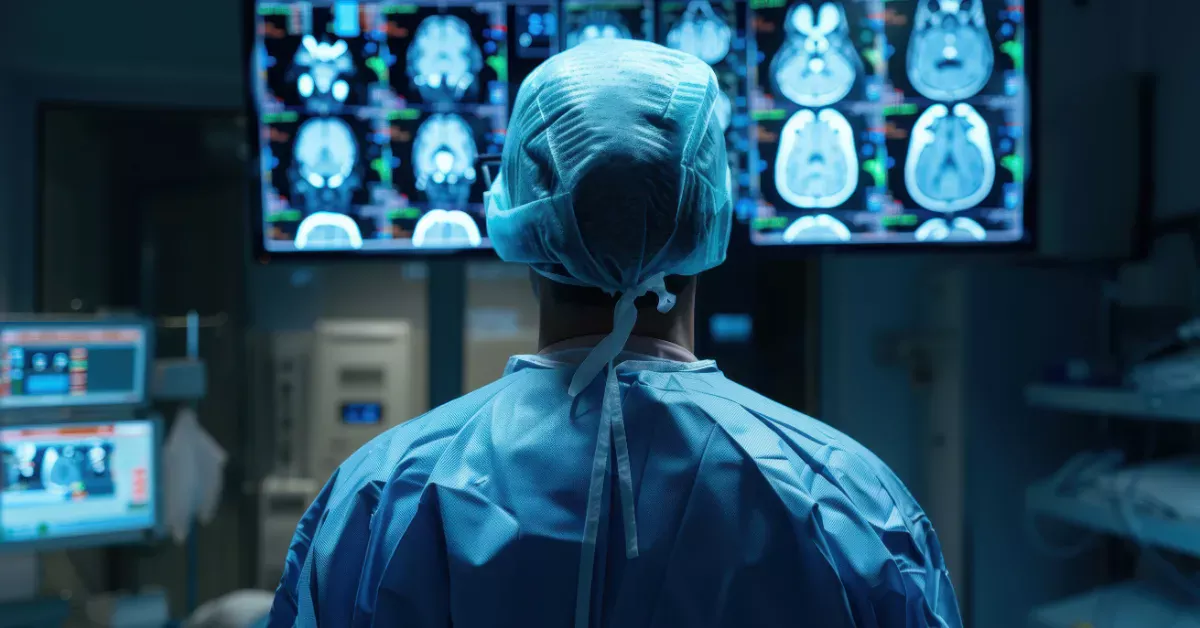
A Chennai-based hospital has successfully carried out a complex neurosurgical procedure to remove an unusual brain cyst exhibiting gastric-like characteristics, underscoring the growing sophistication of the city’s healthcare ecosystem.
The case highlights how advanced medical expertise and specialised infrastructure are positioning Chennai as a key hub for tertiary care in India.Medical professionals involved in the procedure indicate that the condition was rare, requiring careful diagnosis and a multidisciplinary approach. The presence of tissue resembling gastric lining within a brain cyst presented unique clinical challenges, demanding precise surgical planning and execution. Such cases underscore the importance of high-end diagnostic tools and skilled specialists within Chennai healthcare infrastructure.Experts note that the successful outcome reflects broader advancements in neurosurgery and medical technology in urban centres. Access to modern imaging systems, operating theatres, and post-operative care facilities enables hospitals to handle increasingly complex cases. The evolution of Chennai healthcare infrastructure has been driven by both public and private investment, catering to a growing demand for specialised treatment.From an urban perspective, the development of advanced healthcare facilities contributes significantly to city resilience and quality of life. Cities like Chennai are emerging as regional medical hubs, attracting patients from across the country and neighbouring regions.
This not only supports healthcare access but also generates economic activity through medical tourism and allied services.However, experts caution that access to such advanced care remains uneven. High-end treatments are often concentrated in select institutions, raising questions about affordability and equitable access.Strengthening public healthcare systems and expanding specialised services beyond major hospitals will be critical to ensuring inclusive growth in Chennai healthcare infrastructure.The case also highlights the role of continuous medical training and research.Complex procedures require teams to stay updated with global best practices, emphasising the need for ongoing investment in education and skill development within the healthcare sector.There are also implications for urban planning. As healthcare demand grows, integrating medical infrastructure with transport networks, emergency services, and residential areas becomes increasingly important. Efficient connectivity can improve response times and patient outcomes, particularly in critical cases.
As Chennai continues to expand its medical capabilities, the successful handling of such rare conditions reinforces its position in India’s healthcare landscape. The future of Chennai healthcare infrastructure will depend on balancing innovation with accessibility, ensuring that advanced treatment options are both widely available and sustainably delivered.
Also Read:Kolkata LPG Delivery Issues Persist Amid System Glitches
