


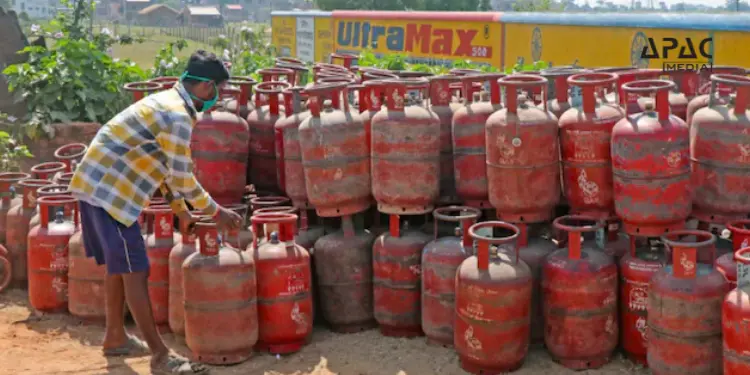
Households across Kolkata are continuing to face delays in receiving cooking gas cylinders, as technical glitches in digital verification systems disrupt last-mile delivery operations.
The ongoing disruptions are raising concerns about the reliability of essential urban services in a city where millions depend on timely LPG supply for daily needs.The persistent issues in Kolkata LPG delivery issues stem from problems in authentication and code-based verification processes, which are designed to streamline distribution but are currently causing bottlenecks. Delivery personnel are reportedly unable to complete transactions in some cases, leading to repeated attempts and extended waiting periods for consumers.Urban service experts note that while digitisation has improved transparency and reduced leakages in fuel distribution, system failures can have widespread consequences. In the case of Kolkata LPG delivery issues, the reliance on real-time verification has exposed vulnerabilities in service continuity when technical systems falter.The disruptions are particularly challenging for households without alternative cooking options, as well as for small businesses such as eateries that depend on uninterrupted fuel supply. Delays can disrupt daily routines and economic activity, highlighting the critical role of reliable utility services in urban environments.
From a governance perspective, the situation underscores the need for robust digital infrastructure and contingency planning.Experts suggest that backup mechanisms—such as offline verification or alternative authentication methods—could help maintain service delivery during system outages. Strengthening these safeguards is essential to ensure that digitisation enhances, rather than hinders, access to essential services.The ongoing Kolkata LPG delivery issues also intersect with broader questions of digital inclusion. Not all consumers are equally equipped to navigate technical systems, and disruptions can disproportionately affect those with limited access to digital support or awareness. Simplifying processes and providing accessible customer assistance channels could help mitigate these challenges.There are operational implications as well.Delivery networks are facing increased pressure as personnel attempt to manage backlogs and repeated service requests. This can lead to inefficiencies, higher operational costs, and additional strain on workforce capacity.Experts emphasise that resolving the current disruptions will require coordinated action between service providers, technology platforms, and regulatory authorities. Ensuring system reliability, improving user interfaces, and enhancing training for delivery staff are seen as critical steps.
As Kolkata continues to modernise its urban service delivery systems, the experience of Kolkata LPG delivery issues highlights the importance of balancing technological innovation with resilience. Reliable access to essential services must remain a priority, particularly in dense urban settings where disruptions can quickly escalate into widespread challenges.
Also Read:Kolkata LPG Distribution Overhaul Improves Delivery Efficiency
