


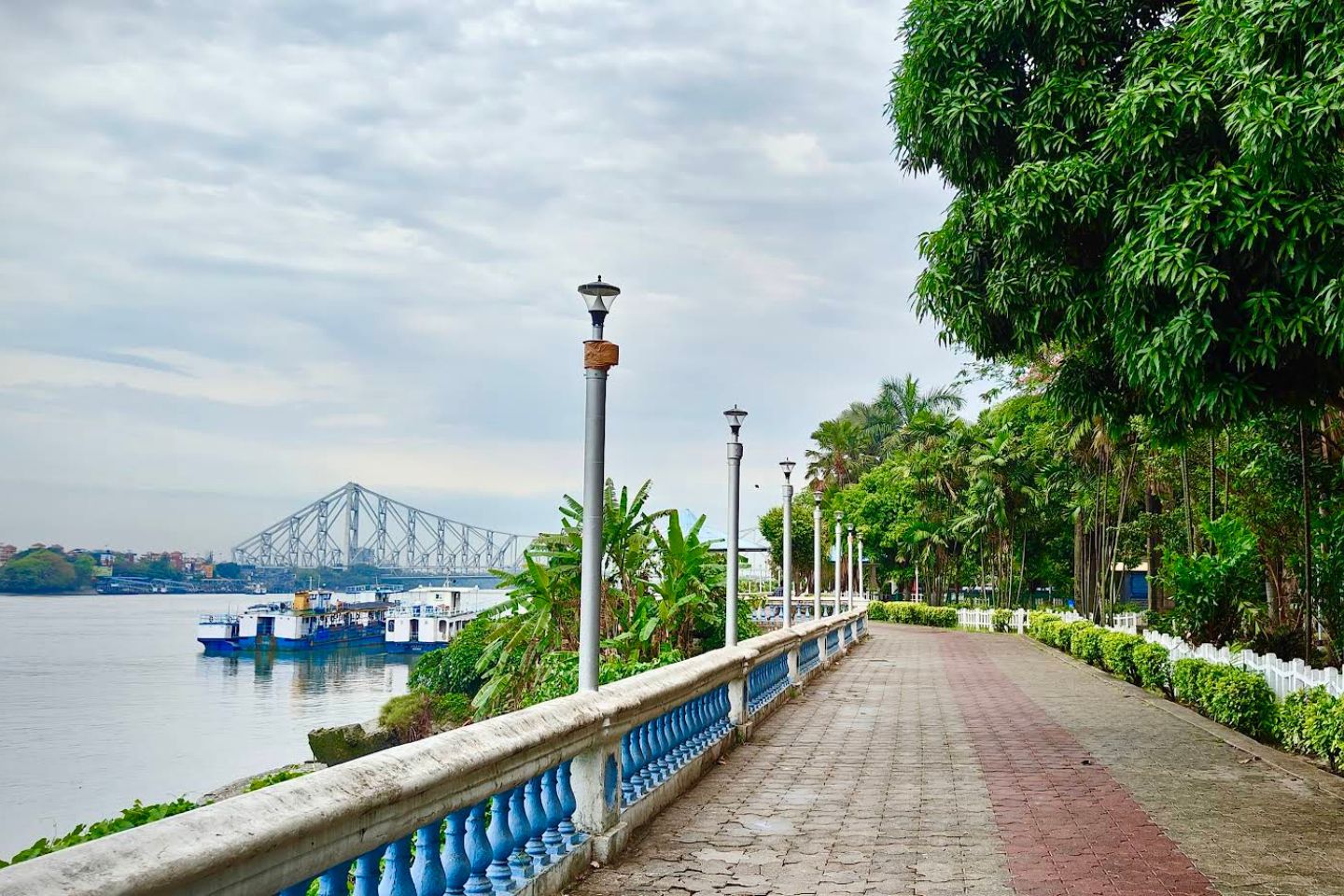
Public access to a key riverfront space in Kolkata has been restricted following the closure of Millennium Park due to security requirements linked to a nearby administrative office
The move has raised questions about the balance between security infrastructure and the accessibility of shared urban spaces in one of the city’s most visited recreational zones.The shutdown, affecting a prominent stretch along the Hooghly river, highlights growing tensions around the use of Kolkata public spaces in areas where civic infrastructure overlaps with administrative functions. For residents and visitors, the closure represents a loss of accessible open space in a city where such amenities are already limited.Urban planners note that waterfront parks like Millennium Park play a vital role in enhancing liveability by providing spaces for leisure, social interaction, and environmental relief.Restricting access to these areas can disproportionately impact lower- and middle-income groups who rely on public spaces for recreation. The situation underscores the importance of safeguarding Kolkata public spaces as inclusive and accessible urban assets.Officials indicate that the closure is driven by security considerations, particularly due to the proximity of sensitive offices. However, experts suggest that alternative design and planning solutions—such as controlled entry systems, zoning, or partial access—could help maintain public usability while addressing safety concerns.
The issue also reflects broader challenges in urban land use planning. As cities densify, competing demands for land—ranging from administrative infrastructure to public amenities—can lead to conflicts over access and prioritisation. Ensuring that public spaces are not permanently compromised requires long-term planning frameworks that clearly define land use and access rights.From an environmental perspective, riverfront parks contribute to urban cooling, biodiversity, and flood resilience. Limiting access to such areas may reduce public engagement with natural ecosystems, which is increasingly important for building awareness around environmental sustainability.The closure of Millennium Park also has economic implications. Local vendors, small businesses, and informal workers operating in and around the park are likely to be affected by reduced footfall. This highlights how access to Kolkata public spaces is closely linked to livelihoods in addition to recreational value.As authorities review the situation, urban experts emphasise the need for a balanced approach that protects both security interests and public access. Transparent communication and stakeholder engagement will be critical in determining the future of the site.
The episode serves as a reminder that as cities evolve, maintaining equitable access to open spaces must remain a core priority. The long-term management of Kolkata public spaces will play a key role in shaping a more inclusive, resilient, and liveable urban environment.
Also Read:Kolkata Adjudication Cases Cleared In Major Civic Push
