


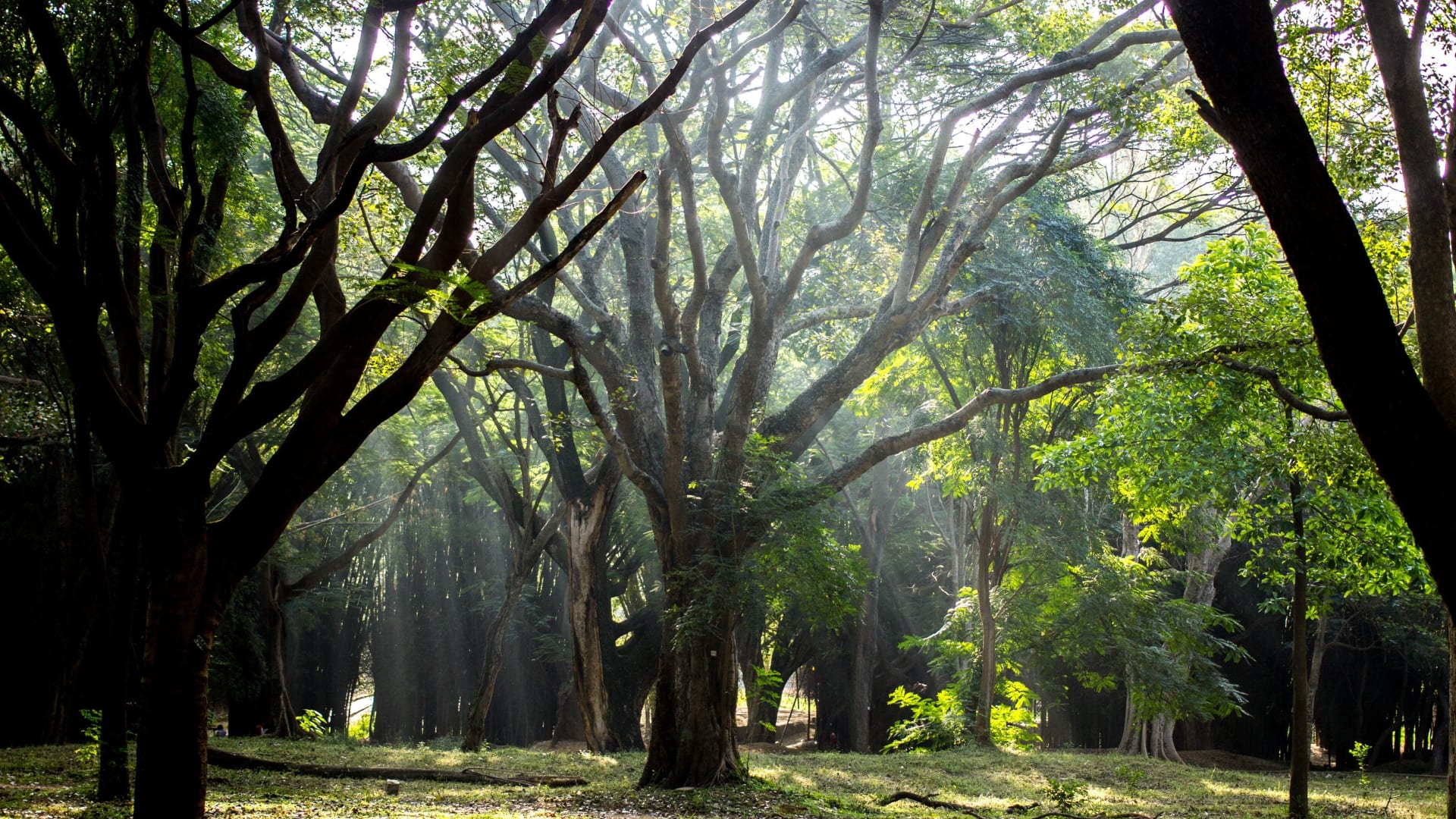
Indore’s civic administration has begun a large-scale plantation effort using mature saplings as part of its strategy to offset tree losses from urban infrastructure projects and road expansion. The initiative involves planting six-foot-tall trees across multiple city locations, a move officials say will accelerate the restoration of urban greenery compared with conventional sapling plantations. The programme comes after several road improvement and widening projects required the removal of roadside trees in certain parts of the city. According to municipal officials, the compensatory plantation drive aims to plant ten times the number of trees removed during development works, aligning with broader efforts to balance infrastructure growth with environmental sustainability.
Urban horticulture teams have begun planting relatively large saplings—around six feet in height—rather than the smaller plants typically used in city plantation drives. Authorities say larger saplings have a higher chance of survival in dense urban environments and can contribute to shade and carbon absorption more quickly than newly germinated plants. Municipal planners argue that such measures are increasingly necessary in rapidly growing cities where infrastructure expansion often intersects with existing green cover. Road widening, drainage construction and utility upgrades frequently require the removal or transplantation of trees that obstruct project alignments. Indore has experienced rapid urban growth over the past decade, driven by expanding residential development, transport infrastructure and population inflows. These changes have placed pressure on the city’s ecological balance, making urban forestry initiatives an important part of municipal planning. The compensatory plantation initiative is part of a wider environmental agenda that includes large-scale tree planting campaigns across Indore’s parks, hills and public lands. In recent years, the city has undertaken several major plantation drives aimed at improving air quality and increasing green cover across the Malwa region. Earlier campaigns have included the planting of tens of thousands of saplings in hill areas and urban green zones to enhance biodiversity and climate resilience. Urban forestry specialists note that replacing trees removed for infrastructure projects with significantly larger plantation numbers can help restore ecological balance if implemented carefully. Mature saplings, when properly maintained, tend to establish roots faster and provide environmental benefits such as shade, dust control and carbon absorption earlier than smaller seedlings. However, experts also stress that the success of such drives depends on long-term maintenance rather than just plantation numbers. Water supply systems, soil quality management and protection from urban construction damage are critical to ensuring survival rates. City authorities say monitoring mechanisms are being implemented to track the growth and survival of the newly planted trees. Plantation sites include road medians, public parks, green belts and vacant municipal land where the trees can grow without interfering with future infrastructure works.
Indore’s latest initiative reflects a broader shift in urban planning where cities attempt to integrate infrastructure development with environmental restoration. As climate variability intensifies heat and air pollution in urban areas, maintaining tree cover is increasingly seen as an essential component of sustainable city development. If the programme succeeds in maintaining high survival rates, officials believe the six-foot plantation model could become a standard practice for compensatory afforestation in future urban projects across the city.
ALSO READ – Indore LPG Portal Closure Disrupts New Connections
Indore Tree Plantation Drive Follows Road Expansion
