Hyderabad Flexible Workspace Demand Drives New Hubs
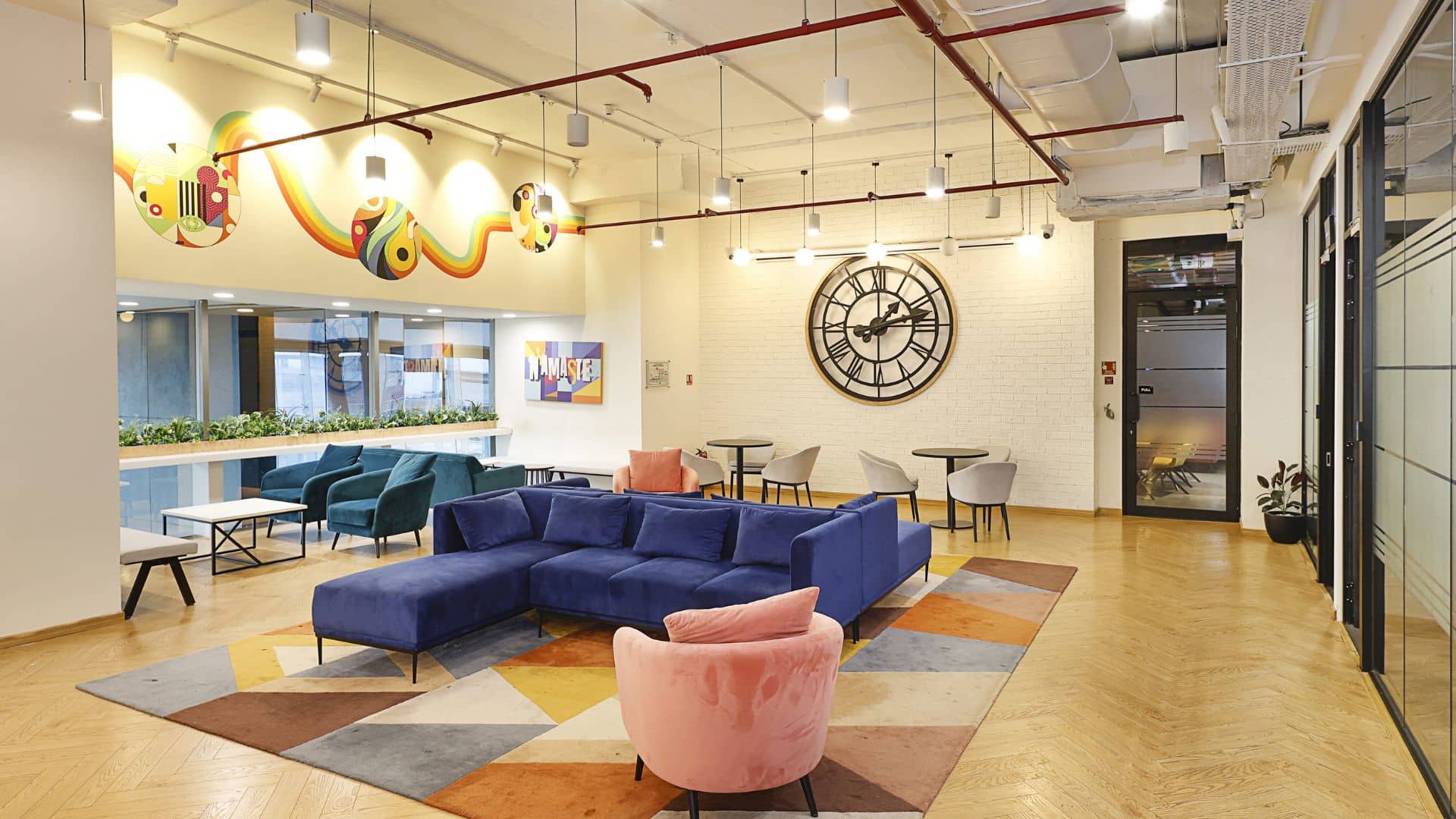
Hyderabad has added a significant tranche of premium office capacity with the launch of a large, enterprise-focused managed workspace in a major commercial tower, underscoring the city’s growing role as a hub for global capability centres (GCCs). The development reflects a wider shift in how corporations approach office infrastructure, prioritising speed, flexibility, and scalability in a competitive talent market.
The new facility, spread across several lakh square feet in a multi-storey business complex, is designed to cater to large enterprises seeking plug-and-play environments that can be customised to their operational and cultural requirements. Unlike conventional co-working formats, the model focuses on dedicated spaces, long-term occupancy, and integrated services such as IT infrastructure, meeting suites, and operational support. Industry observers note that the rise of the Hyderabad flexible workspace segment is closely linked to the city’s expanding technology and services ecosystem. With established clusters in western corridors and improving metro connectivity, Hyderabad has positioned itself as a cost-efficient alternative to Bengaluru and Mumbai, while still offering global-grade infrastructure. Urban planners point out that such developments also reshape the built environment. Large managed campuses can optimise land use by increasing occupancy density within existing commercial zones, potentially reducing urban sprawl. At the same time, the concentration of workplaces near transit corridors aligns with broader goals of lowering commute times and supporting more sustainable mobility patterns.
The emphasis on custom-built environments also signals a departure from generic office design. Enterprises increasingly require spaces aligned with global standards on energy efficiency, employee well-being, and digital readiness. While not always marketed as green buildings, many of these new facilities incorporate features such as efficient cooling systems, shared amenities, and space optimisation elements that can contribute to reduced per capita resource consumption. From a market perspective, the Hyderabad flexible workspace sector is evolving beyond startups and small businesses. Large corporations and GCCs are now anchoring demand, often committing to substantial seat capacities in single locations. This trend provides greater revenue stability for operators while enabling companies to scale operations quickly without the delays associated with traditional leasing and fit-outs.
However, experts caution that sustained growth will depend on infrastructure keeping pace. Road congestion, public transport capacity, and access to affordable housing near employment hubs remain critical concerns. Without parallel investment in urban systems, rapid commercial expansion could intensify pressure on the city’s liveability. Looking ahead, Hyderabad’s office market appears set to deepen its enterprise orientation, with flexible workspace providers playing a central role in bridging real estate and business operations. As companies continue to seek agility in uncertain economic conditions, such models may become a defining feature of India’s next phase of urban commercial development.