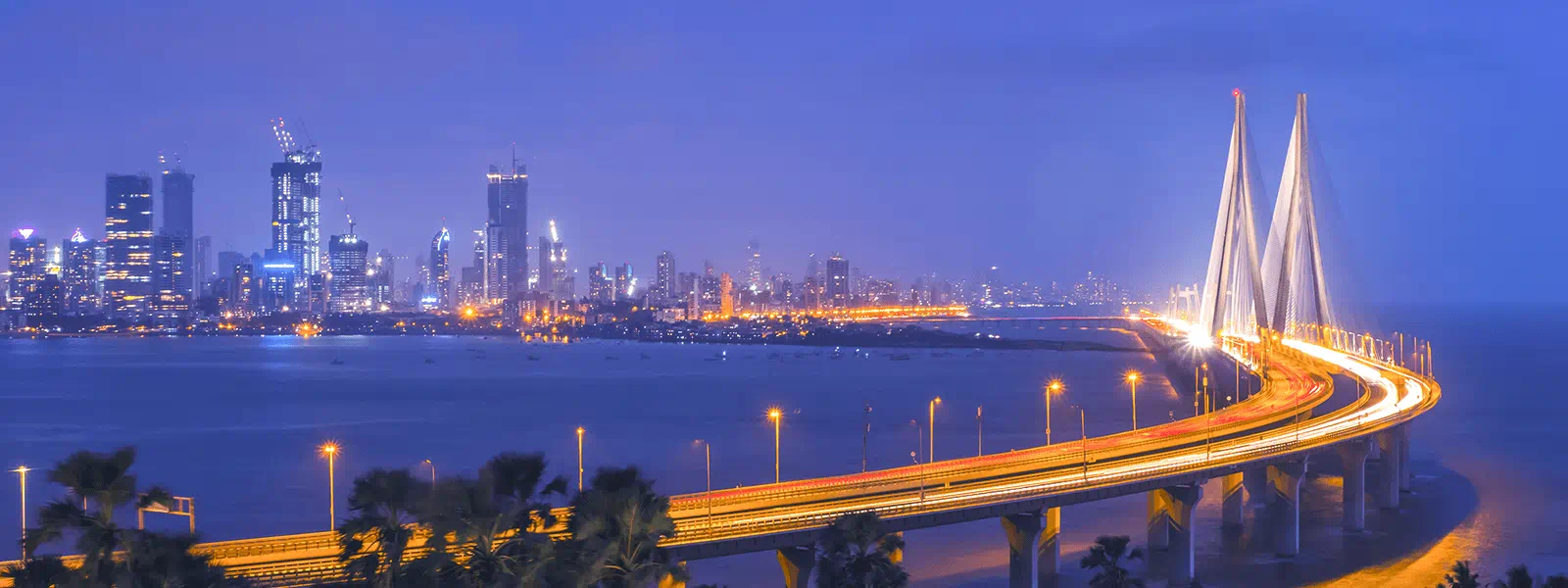
A sharp surge in quarterly sales has pushed Raymond Realty into a new phase of expansion across the Mumbai Metropolitan Region (MMR), highlighting renewed demand in both mid-income and premium housing segments. The company’s performance in the final quarter of FY26, marked by a steep rise in bookings, signals a broader shift in urban housing preferences and investment appetite in India’s financial capital.
The momentum was largely driven by a series of project launches in Thane, Wadala, Sion and Bandra Kurla Complex (BKC), where both end-users and investors responded strongly to new inventory. Industry observers note that this uptick reflects a combination of factors: stable interest rates compared to previous cycles, improved buyer sentiment, and a continued preference for branded developers offering timely delivery and integrated amenities.Raymond Realty growth also comes at a time when Mumbai’s urban landscape is undergoing structural transformation. Large-scale infrastructure upgrades including metro rail expansion, road connectivity improvements and commercial district densification are reshaping micro-markets such as Thane and BKC. Urban planners suggest that these shifts are redistributing demand away from traditional core areas toward emerging corridors that offer relatively affordable yet well-connected housing.
A key element in the company’s strategy is its increasing presence in high-value developments, including luxury and ultra-luxury projects. While such segments have witnessed strong absorption in recent quarters, analysts caution that sustained growth will depend on macroeconomic stability and continued wealth creation. Luxury housing, often driven by investment demand, remains sensitive to fluctuations in financial markets and global economic conditions. At the same time, Raymond Realty growth is underpinned by an expanding development pipeline, including a newly secured large-scale project in Kandivali. This adds to a sizeable portfolio planned across MMR over the next few years. However, scaling up such an ambitious pipeline will require careful capital management. With moderate debt levels and a defined liquidity buffer, the company appears positioned to fund near-term construction, though future phases may test balance sheet discipline if market conditions tighten.
From a governance and sustainability perspective, the expansion raises questions about how developers will integrate climate resilience and resource efficiency into large urban projects. Experts in urban development stress the importance of incorporating green building practices, water management systems and transit-oriented design as cities like Mumbai grapple with flooding risks, density pressures and environmental constraints.For homebuyers, the current cycle presents both opportunity and caution. Increased supply from large developers could stabilise prices in certain segments, but rapid expansion also demands regulatory oversight to ensure timely delivery and adherence to planning norms. As Raymond Realty growth continues to shape its trajectory in MMR, the coming quarters will test whether strong sales momentum can translate into long-term, sustainable urban development aligned with the evolving needs of India’s largest city.