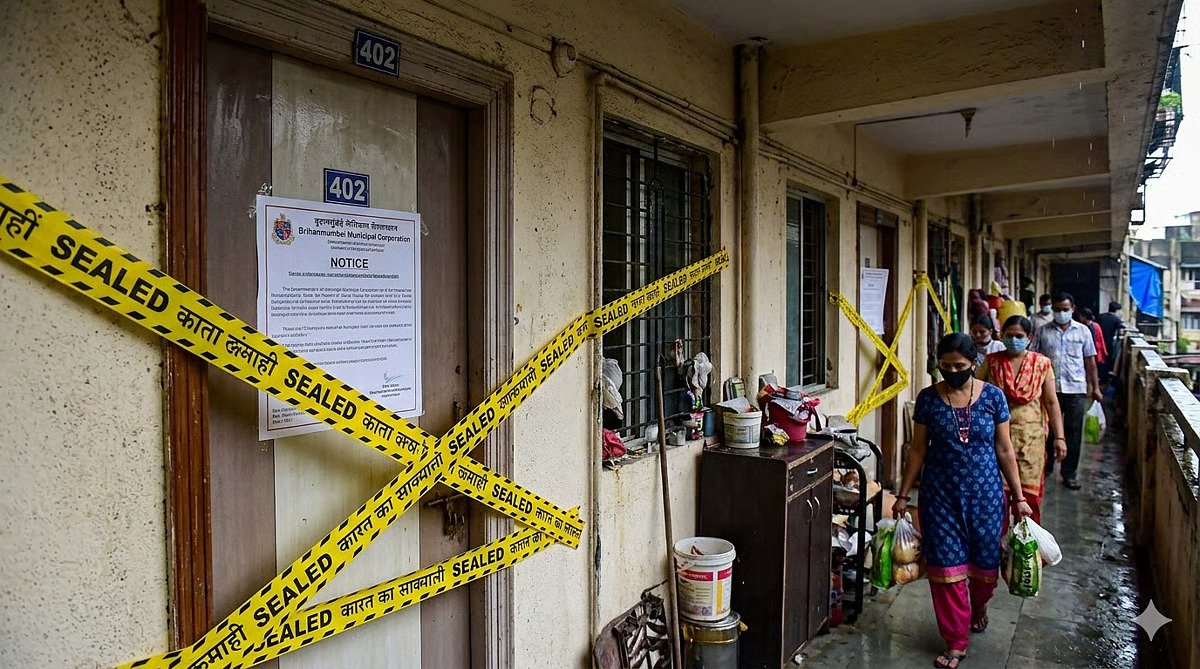
An incident involving the unauthorised occupation of rehabilitation housing units in Mumbai’s eastern suburbs has brought renewed attention to governance challenges in the city’s affordable housing ecosystem. Civic authorities and police have initiated legal proceedings after discovering that sealed units meant for project-affected families were re-entered and occupied, raising concerns over monitoring systems and long-term asset protection.
The case centres on a rehabilitation housing complex in Mankhurd, where multiple flats designated for resettlement were found to have been accessed and occupied despite prior eviction and sealing. Officials involved in site inspections confirmed that the breach occurred within weeks of a clearance drive, indicating systemic vulnerabilities in enforcement mechanisms. The housing stock in question forms part of a larger rehabilitation framework implemented over the past decade to resettle displaced households. Thousands of units have already been allotted under this programme, which aims to support equitable urban redevelopment. However, the recent incident highlights the risks associated with vacant or recently vacated units, particularly in high-demand, low-income housing segments.
According to civic officials, the flats had been secured following earlier eviction actions carried out with police assistance. Subsequent reoccupation suggests gaps in post-eviction surveillance, an issue that urban planners say requires both technological and administrative intervention. Experts note that while eviction drives address immediate encroachments, sustained monitoring is essential to prevent recurrence. The episode also underscores the broader tension between housing demand and regulatory enforcement in dense urban environments. With affordable housing remaining scarce, unoccupied units often become targets for illegal entry, complicating efforts to maintain fairness in allotment systems. Ensuring that such units are swiftly reassigned or adequately secured is seen as critical to preserving the integrity of rehabilitation programmes.
Urban policy specialists point out that such incidents can erode public trust in housing schemes designed for vulnerable populations. Transparent allotment processes, digital tracking of occupancy, and stronger coordination between civic departments and law enforcement are increasingly being viewed as necessary steps to address these challenges. From a governance perspective, the incident highlights the importance of integrating security protocols into housing policy frameworks. This includes not only physical safeguards but also data-driven monitoring systems that can flag irregularities in real time. As Mumbai continues to expand its rehabilitation housing stock, ensuring accountability in allocation and occupancy will be central to achieving inclusive and sustainable urban growth.
Authorities have indicated that investigations are ongoing, with further action expected against those involved. The outcome may influence how similar housing assets are managed across the city, particularly in terms of balancing accessibility with regulatory control in the affordable housing sector.
Mumbai Authorities Crack Down On Illegal Occupation Of Reserved Rehab Flats