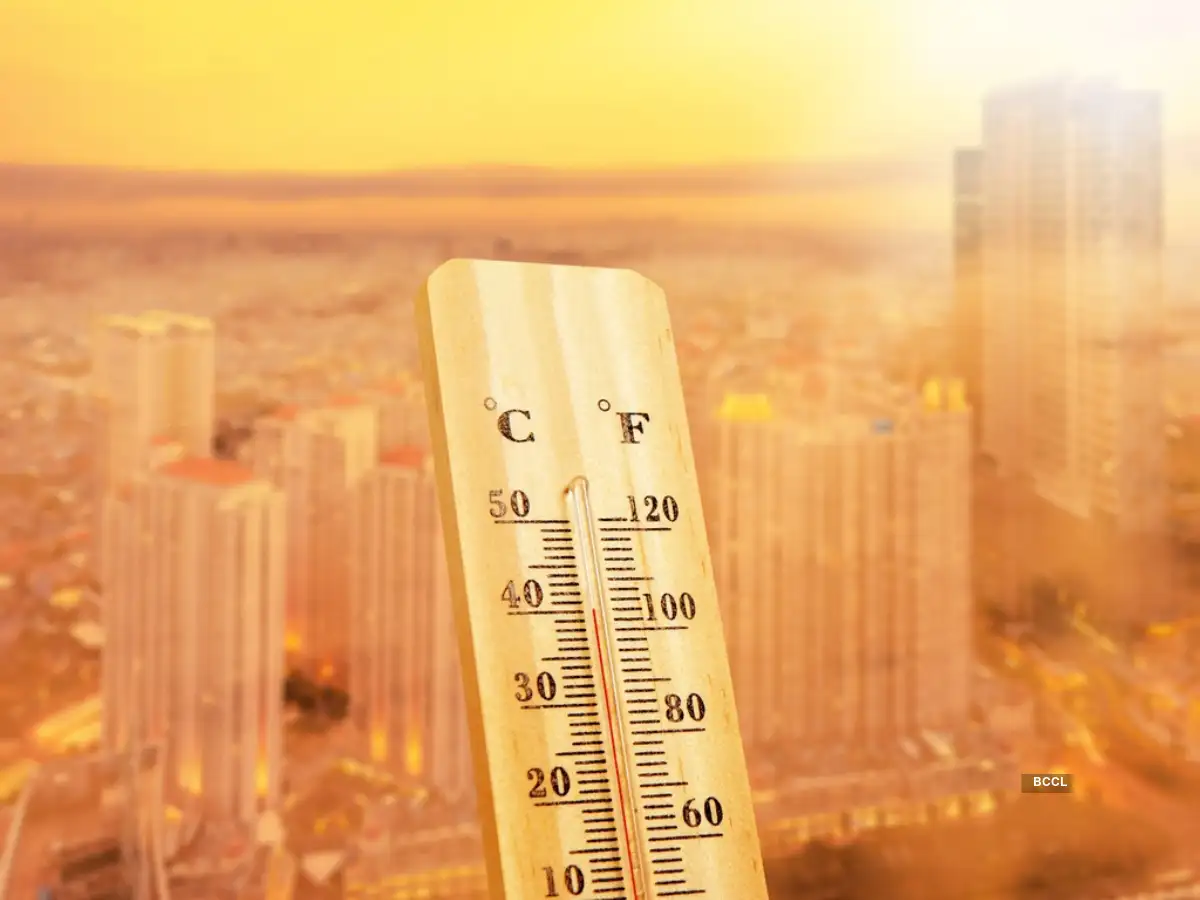
Kerala is facing intensifying heat conditions as authorities issue a yellow alert for rising temperatures across multiple districts, signalling growing climate stress in urban regions. The warning highlights a projected increase in daytime temperatures, with several areas expected to record above-normal levels, raising concerns over public health and urban resilience.
According to the India Meteorological Department (IMD), a Kerala heat alert has been issued for 12 districts, with temperatures likely to rise by 2–3°C above seasonal averages. Maximum temperatures are expected to reach around 39°C in parts of Palakkad, 38°C in districts such as Kollam, Kottayam, and Thrissur, and approximately 36–37°C in coastal and central regions including Ernakulam and Kozhikode. The Kerala heat alert also comes with forecasts of high humidity, which significantly increases the heat index and makes conditions feel more intense than recorded temperatures. Meteorological patterns, including weakened cyclonic circulation and regional trough systems, are contributing to the persistence of hot and humid weather across the state. For urban areas such as Kochi, the implications are particularly significant. Dense built environments, limited green cover, and high surface heat retention can amplify temperature effects through the urban heat island phenomenon. As a result, cities often experience higher perceived temperatures compared to surrounding rural areas, increasing discomfort and health risks.
Urban planners and climate experts note that such recurring Kerala heat alert conditions underline the need for climate-responsive city planning. Measures such as increased tree cover, reflective building materials, improved ventilation in housing, and shaded public spaces are becoming essential to mitigate heat stress in rapidly urbanising regions.The heat alert also has direct implications for energy demand. As temperatures rise, the use of cooling appliances such as air conditioners and fans increases sharply, placing additional pressure on electricity infrastructure. This can lead to peak load challenges, particularly in cities where demand is already high during summer months.Public health considerations are equally critical. Authorities have advised residents to limit outdoor exposure during peak hours, stay hydrated, and take precautions against heat-related illnesses such as dehydration, heat exhaustion, and sunstroke. Vulnerable populations—including the elderly, children, and outdoor workers—are at higher risk during prolonged heat spells.At the same time, intermittent forecasts of thunderstorms and gusty winds suggest short-term relief in some areas, although these events are unlikely to significantly offset the overall warming trend.
The situation reflects a broader pattern across Indian cities, where rising temperatures are increasingly influencing infrastructure planning, housing design, and public policy. As climate variability intensifies, heat management is emerging as a central challenge for urban governance.Looking ahead, recurring Kerala heat alert events are likely to push policymakers towards more integrated climate adaptation strategies. From energy-efficient buildings to improved urban design, the focus will be on balancing growth with resilience—ensuring that cities remain livable even as environmental pressures increase.