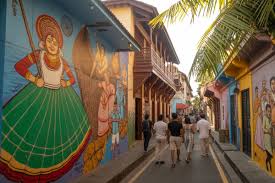
Kochi’s evolving urban identity is being reshaped by a growing network of street murals, as public art transforms everyday spaces into cultural attractions and strengthens the city’s tourism appeal. The emergence of large-scale wall art across neighbourhoods such as Fort Kochi and Mattancherry is positioning the city as a hub for experience-led travel rooted in local storytelling.
These murals, often painted on building facades and public walls, depict themes ranging from Kerala’s maritime history and folklore to contemporary social narratives. The initiative reflects a broader shift towards place-making strategies that use art to enhance the visual and cultural character of urban environments. The rise of Kochi street murals tourism is closely tied to the city’s long-standing association with global art movements. Events like the Kochi-Muziris Biennale have played a catalytic role in bringing artists, curators, and visitors into the city, creating an ecosystem where public art can thrive beyond formal gallery spaces. Urban planners suggest that such interventions are redefining how cities attract visitors. Instead of relying solely on heritage monuments or natural landscapes, Kochi is leveraging its streets as interactive cultural corridors. Walking routes lined with murals are encouraging slower, more immersive forms of tourism, where visitors engage with neighbourhoods rather than just landmarks.
This approach also supports local economies. Street art trails often draw footfall to smaller businesses, including cafes, handicraft shops, and homestays, creating distributed economic benefits across communities. In areas like Fort Kochi, where narrow lanes and historic buildings already attract tourists, murals add a contemporary layer to the visitor experience. The Kochi street murals tourism trend aligns with global urban development practices that emphasise creative placemaking. By turning blank walls into storytelling canvases, cities can enhance public spaces without large-scale infrastructure investment. Such initiatives are particularly relevant in dense urban areas where space constraints limit conventional tourism expansion.There is also a sustainability dimension to this model. Unlike large tourism infrastructure projects, mural-based interventions have a relatively low environmental footprint while promoting cultural preservation. They enable cities to celebrate local narratives and identities, fostering a sense of ownership among residents.However, maintaining these installations presents challenges. Exposure to weather, urban wear, and redevelopment pressures can lead to deterioration over time. Experts highlight the need for structured maintenance frameworks and policy support to ensure that public art remains an enduring asset rather than a temporary feature.
Kochi’s broader tourism ecosystem is already evolving, with cultural events, heritage walks, and eco-tourism initiatives complementing visual art interventions. Together, these elements are shaping a more holistic and experience-driven tourism model that aligns with global trends in urban travel.Looking ahead, the continued growth of Kochi street murals tourism could influence how other Indian cities approach cultural development. By integrating art into public infrastructure, urban centres can create inclusive, accessible, and engaging environments that benefit both residents and visitors—positioning culture as a key driver of sustainable urban growth.