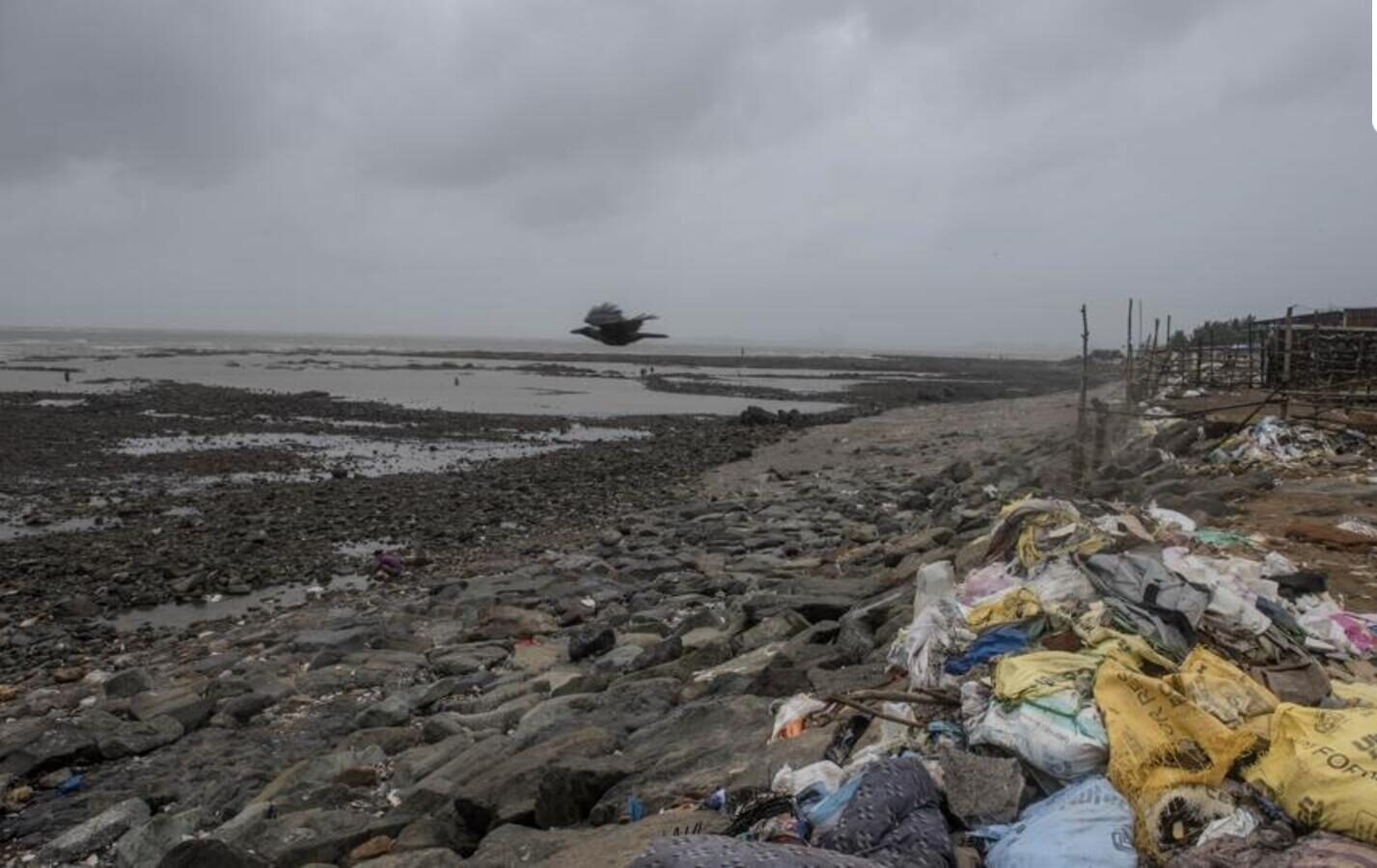
Mumbai’s civic administration has initiated a focused beach clean up pilot across two key coastal stretches, aiming to address the seasonal surge in marine waste during the monsoon. The programme, rolled out at Dadar and Chimbai in Bandra, reflects a shift towards continuous shoreline management in a city where tidal waste inflows and urban littering remain persistent challenges.
The intervention comes ahead of the monsoon months, when rising sea levels and high tides routinely deposit large volumes of plastic and debris along the coastline. With only a fraction of Mumbai’s extensive shoreline accessible to the public, heavily frequented beaches often bear the brunt of this accumulation, affecting both environmental quality and public health. Under the pilot, the beach clean up process will combine mechanised support with manual waste collection. Tractors will be deployed to assist in removing debris without disturbing sand structures or tidal flows, while sanitation workers and informal waste collectors will segregate and clear waste at regular intervals. Officials suggest that this method is designed to maintain ecological balance while ensuring efficient removal of litter.
The introduction of monitoring teams is another key feature of the initiative. These mobile squads are expected to oversee cleanliness standards, discourage littering, and ensure compliance with waste disposal norms. The approach marks a return to active on-ground enforcement, which had weakened in recent years following the discontinuation of earlier monitoring systems. Urban planners note that the beach clean up pilot addresses a broader issue of coastal waste management in high-density cities. Daily inflows of marine litter, compounded by inadequate waste segregation and disposal upstream, have made shoreline maintenance an ongoing challenge. Without sustained intervention, accumulated waste can degrade coastal ecosystems, impact tourism, and contribute to pollution entering the marine food chain.
The financial allocation for the pilot reflects a targeted investment in operational maintenance rather than one-time clean-up drives. Experts argue that such recurring expenditure is essential for cities like Mumbai, where environmental pressures are continuous and linked to both local behaviour and regional waste flows. From a sustainability perspective, maintaining cleaner beaches can also support climate resilience efforts. Unmanaged waste along coastlines can obstruct natural drainage paths and exacerbate flooding during heavy rainfall. By ensuring timely removal of debris, the city can reduce some of the risks associated with monsoon-related waterlogging.
The pilot is expected to serve as a model for broader implementation across other beaches if proven effective. However, long-term success will depend on parallel improvements in waste management systems, public awareness, and enforcement mechanisms. As Mumbai prepares for another monsoon cycle, the effectiveness of this beach clean up initiative will be closely watched, both as a civic service intervention and as part of the city’s evolving approach to sustainable coastal management.
BMC Begins Monsoon Beach Maintenance Plan At Dadar And Chimbai