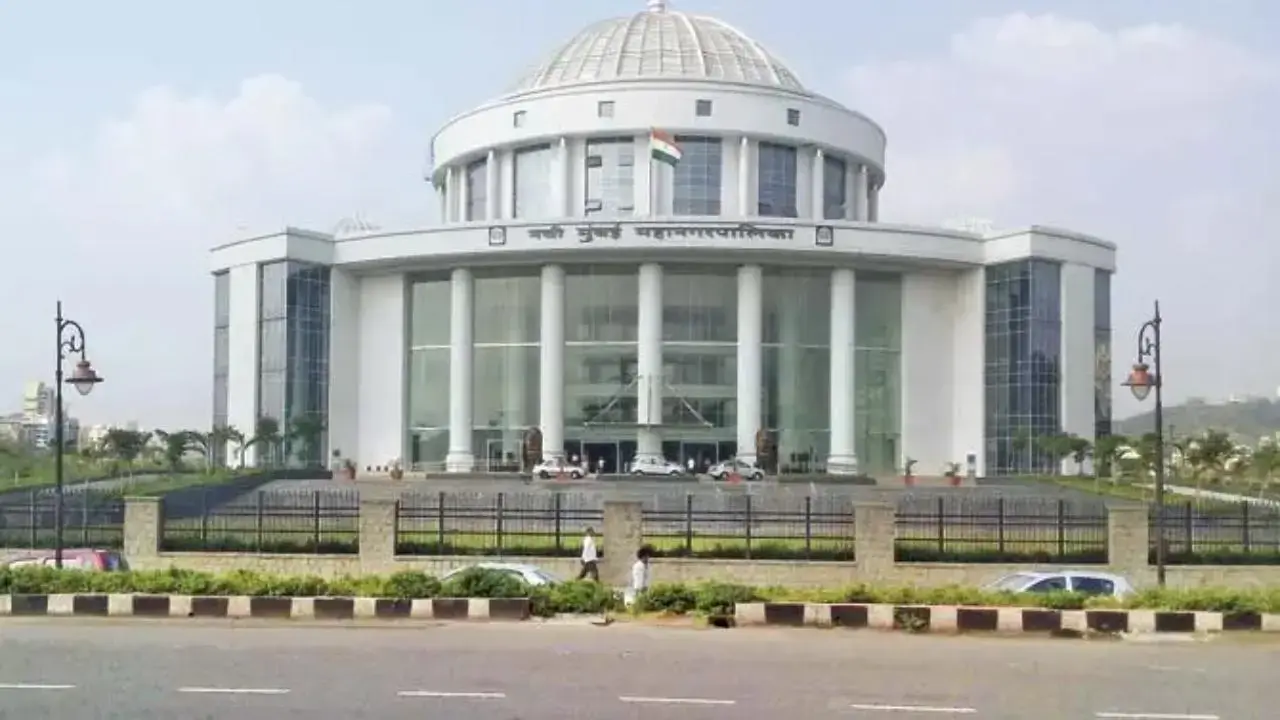
Navi Mumbai’s municipal administration has reported its highest-ever water tax collection in the financial year 2025–26, reflecting a significant shift towards digital governance and improved revenue efficiency. The milestone underscores how technology-led systems and targeted outreach are reshaping civic finance in rapidly growing urban centres.
According to officials, the record water tax collection was achieved over the course of the financial year ending March 2026, marking a notable improvement in recovery rates compared to previous years. The increase has been attributed to a combination of structured planning, expanded digital payment options, and consistent engagement with consumers. Municipal authorities indicate that the focus on simplifying payment processes played a key role in driving compliance. The integration of online platforms, mobile-based payment systems, and QR-enabled transactions made it easier for residents and businesses to settle dues without visiting civic offices. This shift towards cashless and accessible systems aligns with broader efforts to modernise urban service delivery.
The rise in water tax collection is also being seen as an indicator of strengthening financial sustainability within the civic body. For infrastructure-driven cities like Navi Mumbai, stable revenue streams are essential to fund water supply systems, network upgrades, and long-term resource management. Improved collection efficiency can reduce dependence on external funding while enabling reinvestment in critical urban services. Officials involved in the process highlight that digital systems were complemented by active follow-up mechanisms. Automated alerts, targeted communication campaigns, and on-ground engagement helped improve awareness and encourage timely payments. Extended operating hours at collection centres during peak billing periods further supported residents who preferred offline modes.
Urban finance experts note that such gains reflect a broader transition in municipal governance, where data-driven approaches are replacing traditional revenue collection methods. Transparent billing systems and ease of payment can build trust between citizens and local authorities, ultimately improving compliance rates. From a sustainability perspective, efficient water tax collection has implications beyond revenue. Reliable funding allows cities to invest in reducing water losses, upgrading distribution infrastructure, and promoting conservation practices. As urban populations expand, ensuring financial viability of water utilities becomes critical for equitable and uninterrupted supply.
The performance also highlights the growing role of citizen participation in urban governance. Higher payment compliance suggests increased trust in service delivery mechanisms, which is essential for maintaining long-term fiscal health in municipal systems. Looking ahead, civic authorities are expected to further strengthen digital platforms and streamline billing processes to sustain the momentum. As Navi Mumbai continues to evolve as a major residential and commercial hub, maintaining robust revenue systems will be key to supporting infrastructure growth while ensuring accountable and efficient urban management.
NMMC Water Tax Collection Hits Record High In FY26