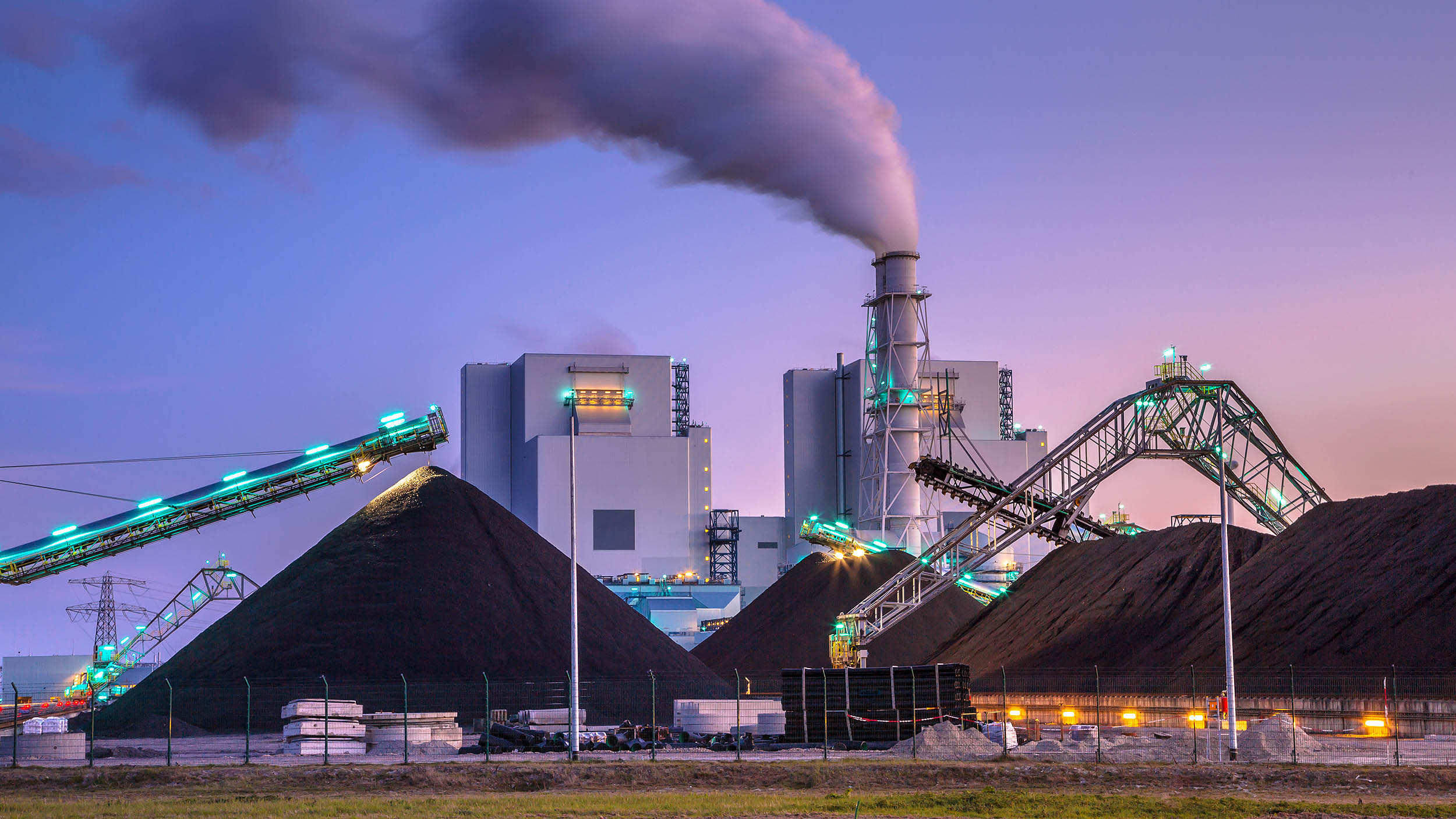
A major coal-to-chemicals project in Odisha is signalling a strategic shift in how India is rethinking the use of its fossil fuel resources, with a new coal gasification project set to convert domestic coal into high-value industrial inputs. The initiative, located in Lakhanpur, marks a move towards diversifying coal usage beyond power generation and into chemical manufacturing.
The project will establish a 2,000 tonnes per day ammonium nitrate facility, using coal as the primary feedstock through gasification technology. Spread over roughly 350 acres, the development represents one of the largest investments in this segment, with an estimated outlay of around ₹25,000 crore. At its core, the coal gasification project converts coal into synthesis gas, which can then be processed into chemicals such as ammonia and ammonium nitrate—widely used in fertilisers and mining applications. This shift allows India to extract greater economic value from its abundant coal reserves while reducing dependence on imported chemical feedstocks. The initiative is also notable for deploying domestically developed gasification technology, marking a step towards building indigenous industrial capabilities. Policy support has played a critical role, with reforms allowing the use of coal-bearing land for such projects and financial incentives extended to accelerate adoption.
From an urban and infrastructure perspective, the implications are significant. Ammonium nitrate is a key input in construction and mining operations, particularly for controlled blasting and large-scale excavation. Reliable domestic production can support infrastructure expansion by ensuring steady availability of critical materials for road building, tunnelling, and resource extraction.Industry experts view the project as part of a broader transition in India’s energy strategy—one that seeks to balance continued coal use with improved efficiency and value addition. Instead of relying solely on coal for electricity, gasification enables its use in manufacturing sectors, potentially lowering overall emissions intensity when integrated with cleaner technologies.However, the environmental equation remains complex. While gasification is often positioned as a cleaner alternative to direct coal combustion, it still involves carbon-intensive processes. Experts emphasise the need for parallel investments in carbon capture, efficient water use, and emissions management to ensure that such projects align with long-term climate goals.There are also regional development implications. Large industrial projects of this scale can generate employment, infrastructure upgrades, and ancillary economic activity in mining regions such as western Odisha. At the same time, they require careful planning around land use, rehabilitation, and community engagement to ensure inclusive growth.
At a national level, the project aligns with efforts to reduce import dependence in key industrial inputs while strengthening domestic manufacturing capabilities. As global supply chains remain uncertain, localised production of chemicals and materials could improve resilience across sectors ranging from agriculture to infrastructure.Looking ahead, the success of this coal gasification project will depend on execution timelines, technology performance, and environmental safeguards. If managed effectively, it could mark a turning point in how India integrates resource efficiency with industrial expansion—supporting both economic growth and a more diversified energy future.