


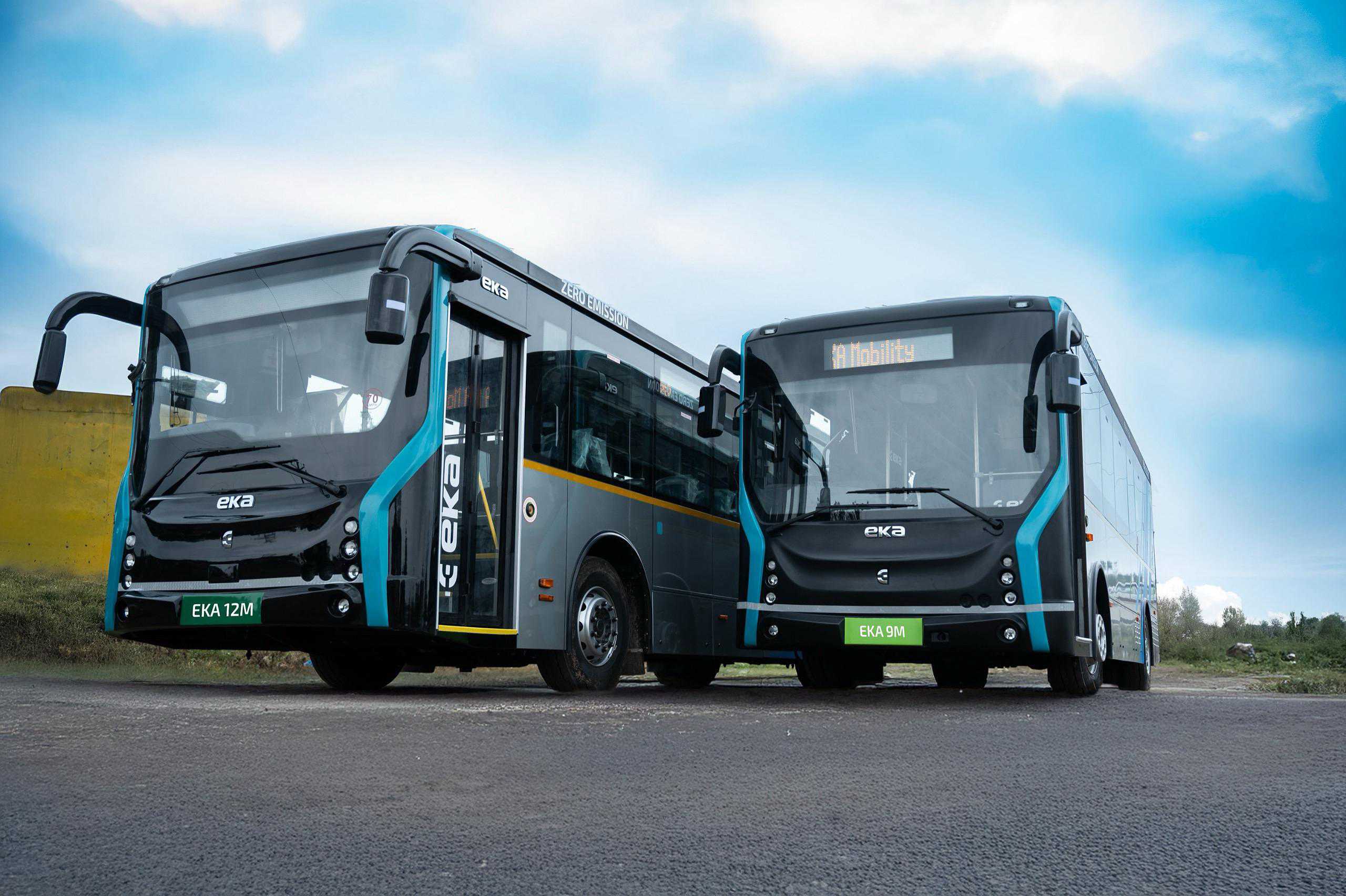
Bengaluru’s plan to deploy 4,500 electric buses has moved a step closer to execution, with multiple mobility firms emerging as lowest bidders in a large-scale public transport contract.
The development signals a significant milestone in the city’s transition towards cleaner and more sustainable urban mobility systems.The proposed rollout, central to the Bengaluru e bus project, is expected to transform the city’s public transport network by reducing dependence on diesel-powered fleets.Industry experts highlight that such large procurements can accelerate the adoption of electric mobility while creating economies of scale for manufacturers and service providers.Officials indicate that final approval from the state government is awaited before contracts are awarded. Once cleared, the initiative could become one of the largest electric bus deployments in India, reinforcing Bengaluru’s position as a leader in sustainable transport innovation.The Bengaluru e bus project aligns with broader national and global efforts to decarbonise urban transport. Electric buses offer lower operating emissions and reduced noise pollution, contributing to improved air quality in densely populated areas. Urban planners emphasise that integrating such fleets into existing transport systems can play a crucial role in building climate-resilient cities.
However, experts caution that large-scale electrification requires robust supporting infrastructure. Charging stations, grid capacity, and maintenance facilities must be developed in parallel to ensure operational efficiency. Without these, the benefits of electric mobility could be limited by logistical constraints.From an economic standpoint, the project is expected to generate opportunities across the value chain, including manufacturing, operations, and maintenance.It may also encourage further investment in clean mobility technologies, positioning Bengaluru as a hub for innovation in the sector.There are also implications for commuter experience. Modern electric buses typically offer improved comfort, reduced vibration, and quieter rides, which can enhance the attractiveness of public transport. This, in turn, may encourage a shift away from private vehicles, easing congestion on city roads.At the same time, experts stress the importance of affordability and accessibility.Ensuring that fares remain competitive and services are distributed equitably across the city will be key to maximising the social impact of the Bengaluru e bus project.
As the proposal awaits final clearance, the initiative represents a critical step in Bengaluru’s broader mobility transformation. If implemented effectively, it could set a benchmark for other Indian cities seeking to balance growth with sustainability, while improving the quality and efficiency of public transport systems.
Also Read:Bengaluru Bannerghatta Road Congestion Worsens Amid Metro Work
