


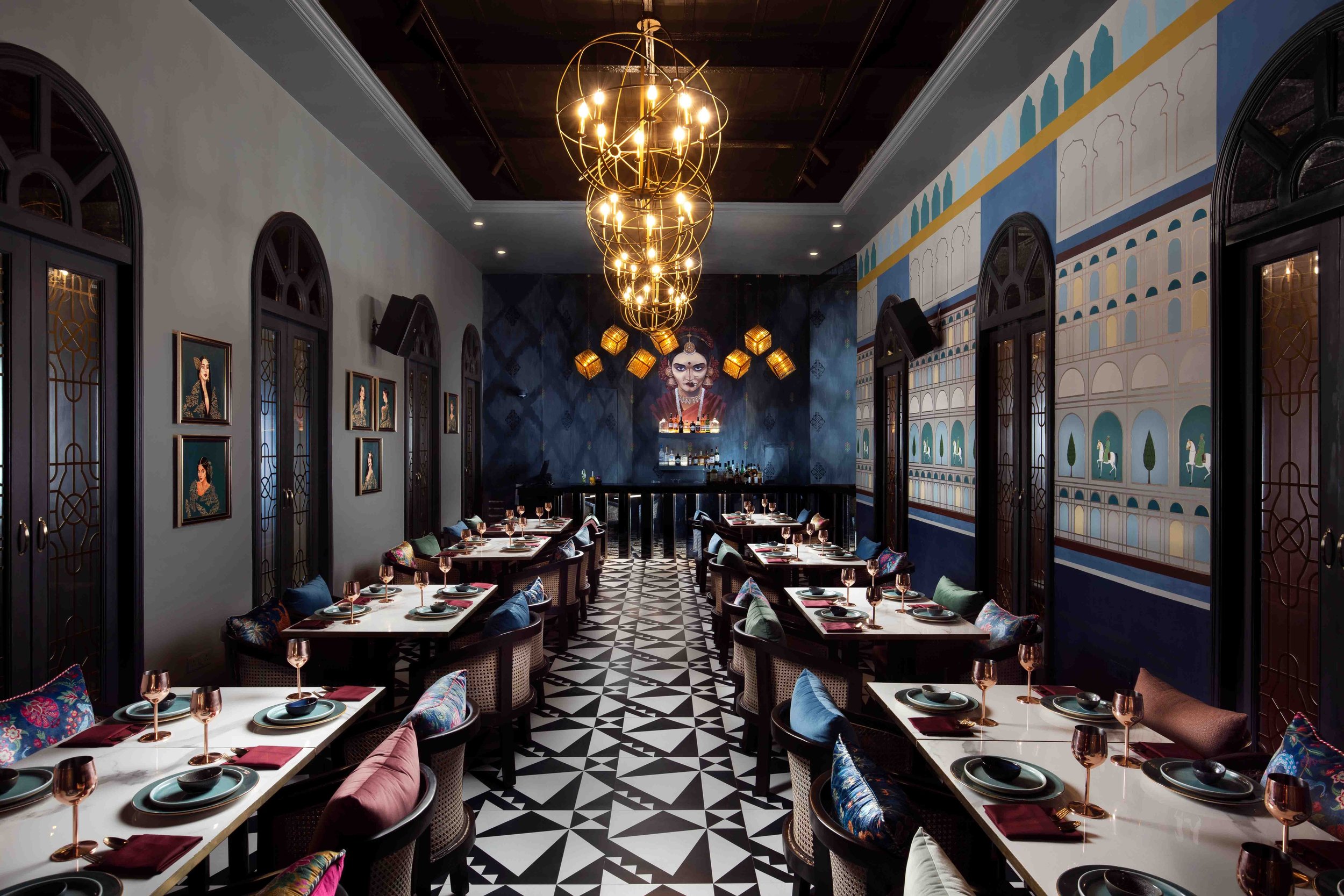
A prominent heritage restaurant in Kolkata is undertaking a strategic transformation to remain relevant in a rapidly evolving urban dining landscape, reflecting how legacy businesses are adapting to shifting consumer expectations.
The move highlights a broader trend across Indian cities, where historic establishments are reimagining their identity to balance cultural continuity with commercial sustainability.The repositioning effort, centred on preserving brand legacy while upgrading customer experience, underscores the growing importance of Kolkata heritage dining in the city’s economic and cultural ecosystem.As younger consumers seek both authenticity and modern amenities, legacy eateries are under pressure to evolve without diluting their historical character.Industry observers note that changing dining habits—driven by digital platforms, delivery ecosystems, and experiential consumption—are reshaping how restaurants operate. For heritage establishments, this means investing in updated interiors, menu innovation, and technology integration, including online ordering and customer engagement tools.These changes are critical to attracting a new generation of diners while retaining long-standing patrons.At the same time, Kolkata heritage dining plays a significant role in urban identity and tourism. Historic restaurants often serve as cultural anchors, contributing to the city’s narrative and drawing visitors seeking authentic experiences.
Urban planners suggest that preserving such spaces aligns with broader goals of sustainable city development, where economic growth is balanced with heritage conservation.However, modernisation efforts come with challenges. Maintaining architectural integrity, managing operational costs, and navigating regulatory requirements can complicate transformation plans. Additionally, rising real estate pressures in central urban areas make it difficult for legacy businesses to sustain large-format operations without diversifying revenue streams.Experts emphasise that adaptive reuse and phased upgrades could offer a viable pathway.By carefully integrating contemporary design elements with existing structures, businesses can enhance functionality while preserving historical value. This approach not only supports sustainability by reducing demolition waste but also reinforces the uniqueness of heritage assets in competitive markets.There is also increasing focus on sustainability within the hospitality sector.Energy-efficient systems, waste reduction practices, and locally sourced ingredients are becoming integral to modern restaurant operations. For heritage establishments, adopting such measures can strengthen their long-term viability while aligning with evolving consumer preferences for environmentally responsible dining.
As Kolkata continues to position itself as a cultural and culinary destination, the evolution of Kolkata heritage dining will be closely watched. The ability of legacy establishments to innovate while safeguarding their identity will determine their role in the city’s future urban economy—where memory and modernity must coexist to sustain both relevance and resilience.
Also Read:Kolkata Climate Ambassadors Programme Empowers Urban Youth
