


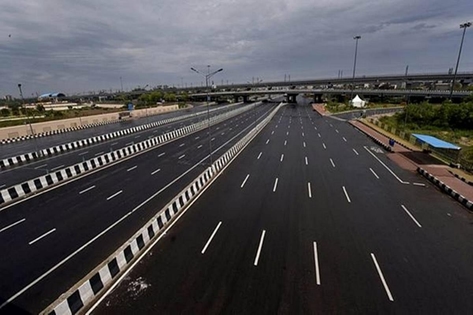
Maharashtra has approved a redesigned alignment for the Shaktipeeth Expressway, a proposed high-speed corridor linking central Maharashtra with the Konkan coast, significantly expanding both the project’s length and cost. The revised plan stretches the highway to roughly 856 kilometres—about 50 kilometres longer than the earlier alignment—while pushing the overall project estimate close to ₹1 lakh crore, reflecting a substantial increase in construction and land acquisition costs. The greenfield corridor is designed to connect the Wardha region near Nagpur with the Goa border in Sindhudurg district, creating a direct east-west highway across Maharashtra. Infrastructure planners say the route will pass through 13 districts and around 40 administrative blocks, linking religious and cultural destinations across the state while strengthening long-distance connectivity between inland regions and coastal trade corridors.
The realignment was approved after sustained opposition from farmers and local groups in several western districts, particularly where the earlier corridor crossed fertile agricultural land. Authorities asked project engineers to reassess sections of the highway and identify alternate alignments that could reduce land conflicts while maintaining the overall transport objectives of the project. Under the revised design, new segments have been introduced in districts including Satara, expanding the expressway’s geographic coverage. At the same time, parts of the earlier alignment in districts such as Nanded, Hingoli, Parbhani, Solapur and Kolhapur have been adjusted to accommodate the modified route. The changes also increase the scale of land acquisition required for the project, with thousands of hectares expected to be acquired across the corridor. Transport economists note that the Shaktipeeth Expressway could reshape mobility patterns across Maharashtra if executed as planned. The six-lane access-controlled highway is expected to cut travel time between Nagpur and Goa from roughly 18 hours to about eight hours, potentially accelerating freight movement, tourism travel and inter-regional trade. The corridor is also intended to integrate with the state’s expanding expressway network. Its eastern end is expected to connect with the Samruddhi Expressway system near Wardha, enabling long-distance freight traffic to move efficiently between western ports, central India and inland logistics hubs.
However, infrastructure analysts say the project raises complex planning challenges. The route passes through environmentally sensitive regions of the Western Ghats and the Konkan belt, while also intersecting high-yield agricultural zones in parts of western Maharashtra. Balancing economic development with ecological safeguards and fair land compensation will therefore be central to the project’s implementation. For Maharashtra’s rapidly growing cities, the corridor represents a broader push to strengthen regional connectivity and diversify economic activity beyond traditional metropolitan centres. If delivered alongside sustainable land use planning and resilient infrastructure standards, the Shaktipeeth Expressway could become one of the state’s largest transport investments shaping mobility and development patterns over the coming decades.
ALSO READ – Nagpur Civic Finances Strained By Pending State Grants
Nagpur Shaktipeeth Expressway Redesign Expands Route And Cost
