


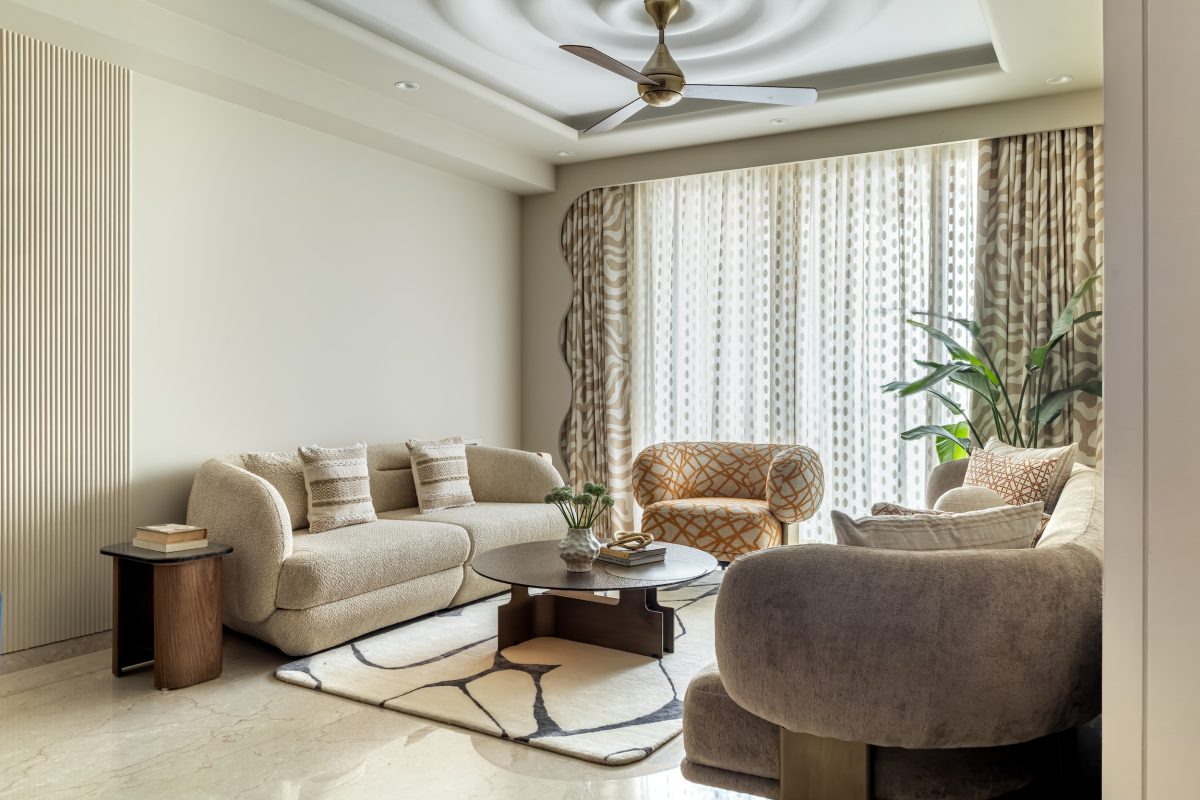
A new experiential retail concept in Bengaluru is attempting to reshape how urban homeowners design their living spaces. A recently opened interiors experience hub allows visitors to physically walk through a fully designed home before committing to interior purchases—an approach that reflects evolving consumer behaviour in India’s fast-growing home design market. Located in HSR Layout, the new design centre spans about 6,200 square feet across two floors and presents a live-in residential layout where customers can experience different interior solutions in real-life settings. The space includes a full-scale two-bedroom apartment mock-up where visitors can move through a modular kitchen, living room, study area and bedrooms to visualise how design elements would function in everyday life.
Industry observers say this model represents a shift from traditional furniture showrooms to immersive retail environments. Instead of browsing isolated cabinets or wardrobes, customers interact with complete spaces, allowing them to understand proportions, lighting and material combinations before making design decisions. The hub is designed around the idea that interior design purchases are complex decisions involving multiple elements—from cabinetry and finishes to fabrics and lighting. To simplify the process, the centre includes dedicated zones where customers can examine materials and customise combinations. A design exploration area features panels and fabric libraries that enable buyers to compare colours, textures and finishes in real scale and under different lighting conditions. Such experiential retail concepts are gaining traction globally as consumers increasingly seek personalised design guidance rather than transactional purchases. Interior design, in particular, involves long-term investments and aesthetic decisions that many homeowners prefer to visualise before committing. Bengaluru has become an important testing ground for these retail experiments because of its expanding middle- and upper-income housing market. The city’s growing technology workforce has created a large base of homeowners interested in premium interiors, modular kitchens and customised storage systems. The interiors brand behind the hub positions itself as a provider of end-to-end residential design services—from concept planning to installation—covering modular kitchens, wardrobes, living spaces and full-home solutions. The company operates from Bengaluru while expanding its presence in other southern cities such as Chennai and Coimbatore. Experts say experience-driven retail environments could play a growing role in India’s interior design industry. Traditionally, homeowners depended heavily on independent designers or carpenters to visualise interiors. Experience hubs offer a more structured approach where design, materials and installation services are integrated within a single ecosystem. The concept also reflects a broader shift toward modular interiors and customised furniture. Instead of one-size-fits-all cabinetry, modular systems allow homeowners to tailor layouts, finishes and materials to suit their specific living spaces.
Urban housing trends are reinforcing this demand. With apartment sizes shrinking in many cities, homeowners increasingly rely on space-efficient design solutions that maximise storage while maintaining aesthetics. For Bengaluru’s design-conscious homeowners, the new experiential hub offers something previously difficult to replicate in the interiors market: the chance to step inside a future home before building it. As experiential retail spreads across the home improvement industry, such immersive showrooms may become a standard part of how Indian cities shop for their living spaces.
ALSO READ – India Ultra Luxury Audio Market Gains Momentum
Bengaluru Interior Experience Hub Redefines Home Design Shopping
