New Chandigarh Growth Plan Drives Large Land Acquisition
Punjab has initiated one of its largest urban expansion programmes, with plans to acquire over 11,000 acres across Mohali and New Chandigarh—signalling a decisive push to reshape the Tricity region into a high-capacity economic and residential hub. The proposed acquisition of 11,103 acres will support a wide-ranging infrastructure and urban development strategy, including new townships, industrial clusters, commercial hubs, and large-scale road networks.
The initiative is being executed under the framework of the Right to Fair Compensation and Transparency in Land Acquisition Act, with multiple projects already at advanced stages of notification and compensation planning. At the core of the plan is a shift towards integrated, large-format urbanisation. Authorities are looking to develop seven new townships and multiple sector-based layouts, alongside aerotropolis zones near the Chandigarh international airport. These developments are expected to anchor future growth in Mohali—already an emerging IT and commercial centre within the Tricity cluster. For urban planners, the scale of the Punjab land acquisition Mohali initiative marks a transition from incremental expansion to corridor-based city-building. The inclusion of over 1,200 acres for road infrastructure suggests a focus on connectivity-led growth, aimed at reducing congestion and improving mobility between Chandigarh, Mohali, and peripheral growth zones. The economic implications are substantial. With planned commercial districts modelled on established urban centres and industrial sectors integrated into the layout, the project is positioned to attract investment across manufacturing, services, and technology.
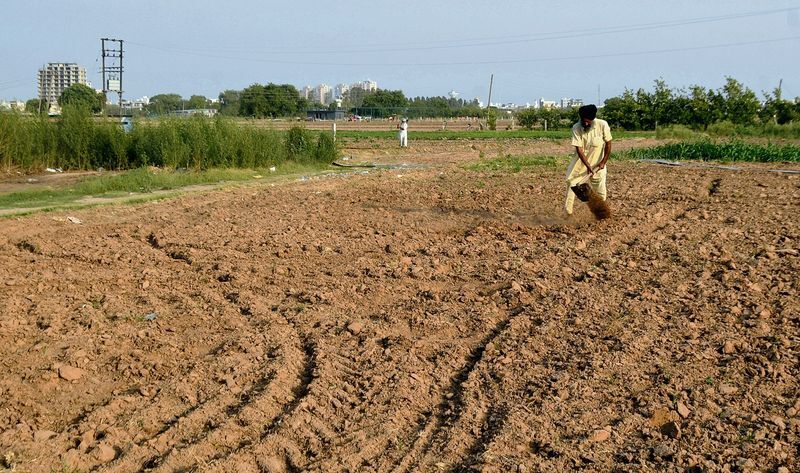
Experts note that proximity to the airport and existing IT hubs strengthens the region’s competitiveness, particularly as Tier 2 cities increasingly absorb spillover demand from saturated metros. However, the initiative also highlights the complexities of large-scale land acquisition. Compensation packages in some zones have reportedly crossed ₹19 crore per acre, reflecting both rising land values and the financial intensity of such projects. At the same time, resistance from landowners and farmers remains a critical variable, with concerns centred around livelihood disruption and long-term socio-economic impacts. Environmental considerations are equally significant. Rapid urbanisation at this scale raises questions about land use change, groundwater stress, and the preservation of green buffers in a region already experiencing development pressure. Experts argue that integrating sustainable planning principles—such as green corridors, water-sensitive design, and climate-resilient infrastructure—will be essential to ensure long-term viability. From a real estate perspective, the Punjab land acquisition Mohali plan is likely to trigger a reconfiguration of market dynamics. As new sectors and infrastructure corridors take shape, land values in adjacent areas could see upward movement, while planned zoning may encourage more formalised and regulated development.
The initiative also reflects a broader national trend where state governments are leveraging land as a strategic asset to drive urban growth and economic expansion. In Punjab’s case, the ambition is to create a self-sustaining urban ecosystem that complements Chandigarh rather than depending on it. As the acquisition process progresses, the success of the programme will depend on balancing speed with stakeholder engagement, and growth with sustainability. The coming years will determine whether this large-scale intervention can deliver a cohesive, inclusive, and future-ready urban region.