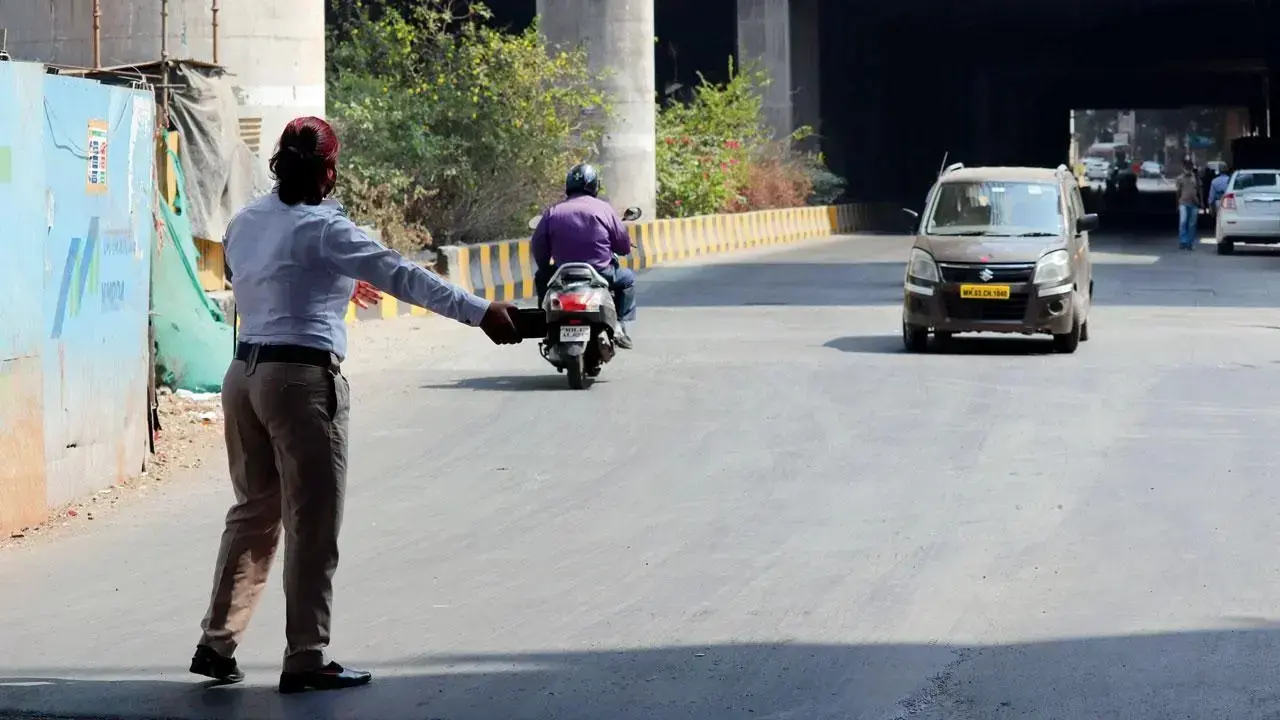
Mumbai authorities have announced temporary traffic restrictions in the Khar–Santacruz corridor, with vehicular movement through Khar Subway suspended for a four-hour window on April 2 to facilitate a major religious procession. The decision underscores the recurring challenge of balancing cultural events with mobility demands in one of India’s most densely populated urban regions.
The Khar Subway traffic closure will be enforced during evening peak hours, a period that typically witnesses heavy commuter movement between Bandra, Khar, and Santacruz. Traffic officials have indicated that the restriction is necessary to ensure safe passage for participants and to prevent bottlenecks in adjoining roads. To mitigate disruption, alternative routes have been designated for motorists travelling across the east-west connector. Commuters are being advised to reroute via arterial roads and nearby subways, which are expected to absorb diverted traffic flows. However, urban mobility experts caution that such diversions often shift congestion rather than eliminate it, especially in areas where road capacity is already constrained.
The Khar Subway traffic closure highlights a broader issue in Mumbai’s transport planning—limited redundancy in its east-west connectivity. Subways and flyovers play a critical role in linking suburban neighbourhoods divided by railway lines, and even short-term closures can ripple across multiple traffic corridors. In a parallel move aimed at easing congestion elsewhere, authorities have also introduced stricter parking regulations along a key stretch in Vikhroli. Persistent complaints from residents and commuters over roadside parking had led to severe narrowing of carriageways, affecting both vehicular movement and pedestrian safety. The new no-parking enforcement is expected to improve traffic flow and ensure better access for emergency services.
Urban planners point out that these measures reflect a reactive approach to managing congestion, driven by immediate pressures rather than long-term systemic solutions. “Cities like Mumbai need integrated traffic management strategies that combine event planning, parking regulation, and public transport incentives,” said a transport policy analyst. From a sustainability perspective, such temporary restrictions can also serve as an opportunity to encourage modal shifts. Authorities have urged commuters to rely on public transport during the restricted period, aligning with broader goals of reducing vehicular emissions and easing road congestion.
However, ensuring compliance and effective communication remains critical. Inadequate dissemination of diversion plans can lead to confusion, increasing travel times and fuel consumption—outcomes that run counter to sustainable mobility objectives. As Mumbai continues to host large-scale public events alongside rising vehicle ownership, the need for coordinated planning becomes more urgent. The current measures, while limited in duration, illustrate the complexities of managing urban mobility in a city where infrastructure capacity is constantly under pressure.
Looking ahead, experts suggest that digital traffic management tools, real-time updates, and better integration between civic and transport agencies could help minimise disruption while maintaining the city’s vibrant public life.
Mumbai To Shut Khar Subway For Hanuman Janmotsav Procession