Rajasthan Weather Shift Signals Stormy Early April
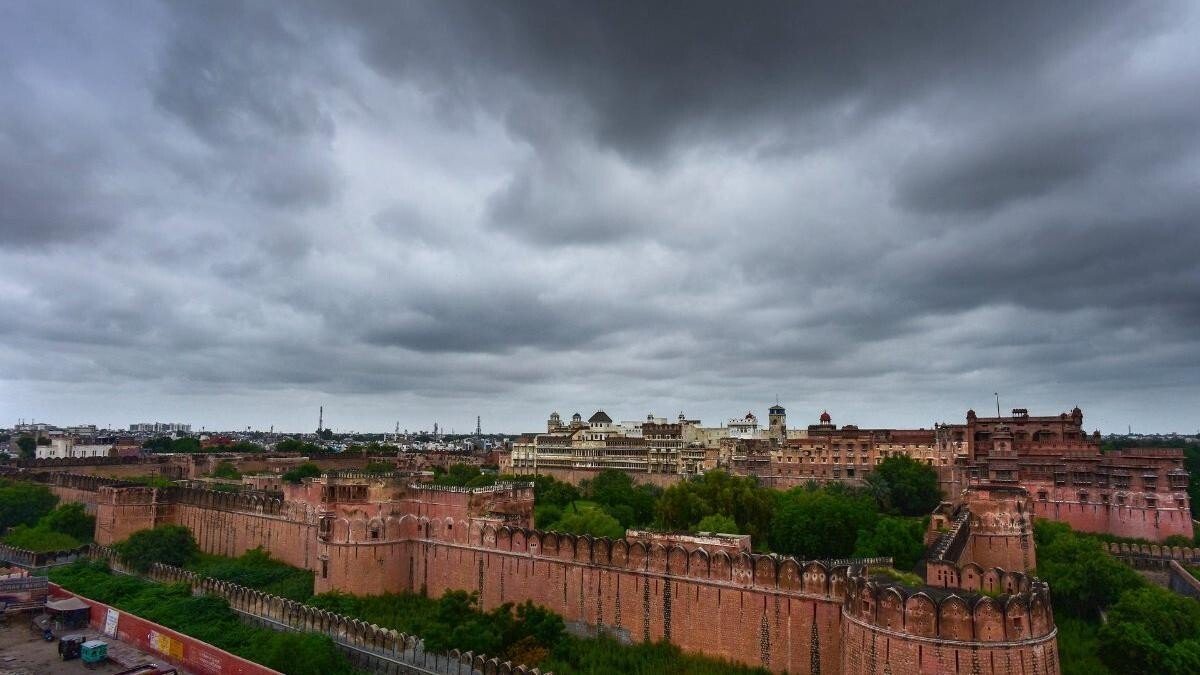
A sudden Rajasthan weather shift has brought unseasonal rainfall, hailstorms and falling temperatures across several districts, marking an unsettled start to April and raising concerns for agriculture, urban mobility and climate preparedness across the state. Meteorological officials have reported rainfall activity in multiple northern and eastern districts, with hailstorms damaging standing rabi crops in several farming belts. Areas in northern Rajasthan experienced scattered thunderstorms through the afternoon and evening hours, while parts of the Jaipur region witnessed cloudy skies and intermittent showers.
The evolving weather pattern has been linked to a fresh atmospheric system expected to influence conditions across Rajasthan in the coming days. Forecast models suggest the Rajasthan weather shift could trigger light to moderate rainfall in more than 20 districts through the first week of April, accompanied by strong winds and occasional thunderstorm activity. For farmers across the region, the sudden storms have arrived during a sensitive phase of the agricultural cycle. Rabi crops such as wheat and mustard are nearing harvest in many districts, and hailstorms have already been reported to cause damage in parts of northern Rajasthan. Agriculture experts say such weather variability increases the risk of crop loss and supply disruptions, which could influence local farm incomes and rural markets. At the same time, the weather change has brought a temporary decline in daytime temperatures across several urban centres. In Jaipur and surrounding districts, cloud cover and rainfall moderated the heat that typically intensifies during early April.
However, climate specialists caution that short-term cooling episodes do not alter the broader trend of rising seasonal temperatures across north-western India. Urban planners say such sudden weather transitions also highlight infrastructure challenges in rapidly growing cities. Rainfall events—even when moderate—can affect road traffic, construction activity and drainage systems, particularly in expanding urban corridors where development is underway. Across Rajasthan’s major cities, daytime temperatures have remained in the mid to high 30-degree Celsius range in recent days, though rainfall and cloud cover have caused brief fluctuations. The pattern reflects a transitional period between the cooler winter months and the onset of peak summer conditions that typically arrive later in April and May. Weather officials expect the Rajasthan weather shift to continue influencing atmospheric conditions for several more days as the new weather system strengthens over northern India. Thunderstorms, lightning and gusty winds are likely in isolated locations, particularly in eastern and northern districts.
Experts say the changing climate has increased the frequency of unpredictable weather events across semi-arid regions like Rajasthan, making adaptive planning increasingly important for both urban and rural communities. Improved early warning systems, resilient crop practices and climate-aware urban design are becoming essential tools for managing such disruptions. For residents and farmers alike, the coming days will remain closely tied to weather updates as the state navigates a volatile start to April.