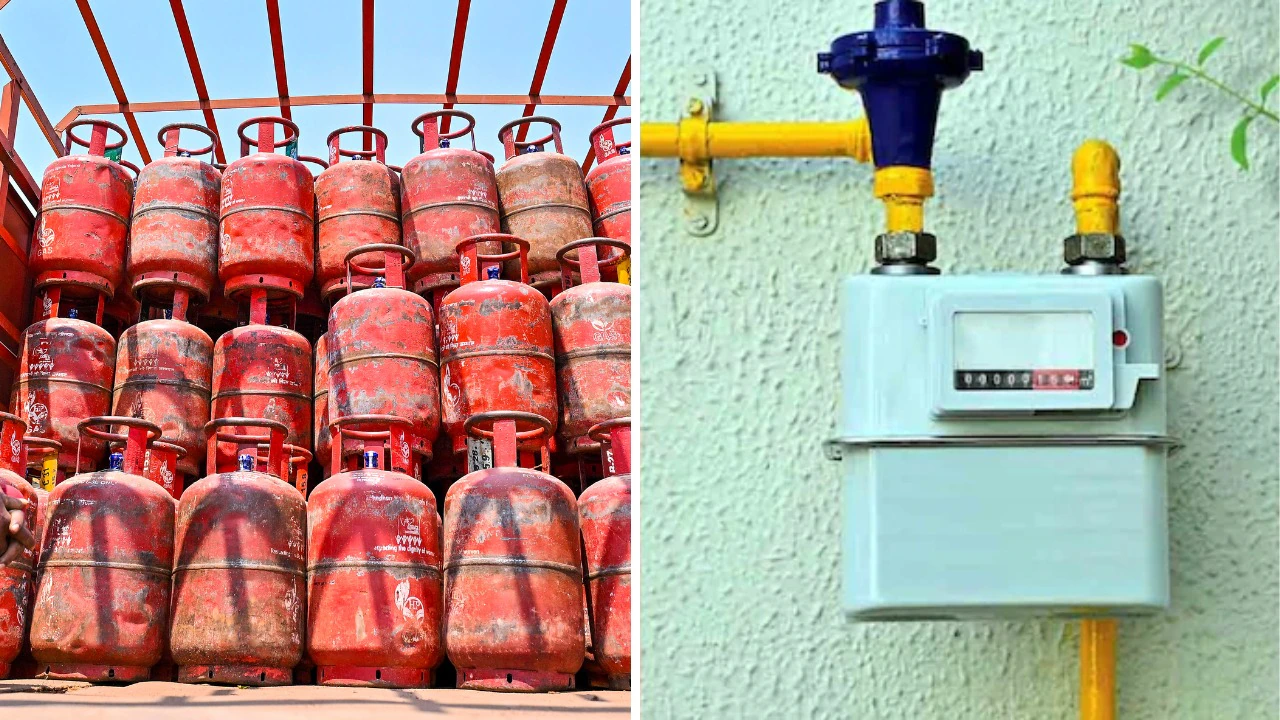
Mumbai’s civic administration has introduced expedited approvals for underground gas pipeline works, allowing trenching permissions to be issued within a day, in a move aimed at rapidly expanding piped natural gas access across the city. The policy shift is expected to significantly compress project timelines and strengthen urban energy resilience amid supply uncertainties.
The new directive enables faster deployment of PNG pipeline Mumbai infrastructure by mandating that all pending applications from the city gas distributor be treated as approved, while new requests must be cleared within 24 hours. The measure applies across all categories of roads, including those under maintenance liability, reflecting a broad-based effort to remove administrative bottlenecks. Officials indicate that the decision follows coordinated guidance from higher levels of government to accelerate city gas distribution networks. The urgency is linked to recent disruptions in conventional fuel supply chains, which have underscored the need for more reliable and decentralised energy systems in large metropolitan regions.
To facilitate quicker execution, the civic body has also allowed round-the-clock construction activity and temporarily eased certain procedural requirements. Instead of seeking prior clearances from multiple departments, agencies are now required to share daily work schedules, streamlining coordination while retaining oversight. Experts in urban infrastructure note that such time-bound relaxations can unlock faster project delivery, but must be balanced with safety and traffic management in dense corridors. The PNG pipeline Mumbai expansion is also supported by revised financial and operational provisions. Utilities have been given the option to undertake restoration of excavated roads independently, subject to compliance with municipal standards and financial guarantees. Alternatively, fixed reinstatement charges have been prescribed for different road types, bringing greater predictability to project costs.
Urban planners view this intervention as part of a broader transition towards cleaner and more efficient urban energy systems. Piped natural gas offers advantages in terms of continuous supply and lower emissions compared to cylinder-based fuels, making it a critical component of sustainable city planning. “Energy infrastructure is increasingly being seen as a backbone for both environmental performance and economic continuity,” said an infrastructure policy expert. However, the accelerated rollout raises questions around execution capacity, particularly in older neighbourhoods with congested underground utility networks. Coordinating pipeline works alongside existing water, sewer, and telecom lines will require careful planning to avoid service disruptions.
The directive is expected to remain in place until the end of June, creating a defined window for rapid network expansion. As Mumbai pushes forward with PNG pipeline Mumbai development, the initiative could serve as a test case for how regulatory agility can support large-scale infrastructure delivery without compromising urban liveability. Looking ahead, the focus will be on ensuring that speed does not come at the cost of quality, and that the benefits of expanded gas infrastructure are equitably distributed across residential, commercial, and underserved areas of the city.
Mumbai Accelerates Gas Pipeline Approvals For Faster PNG Access