Delhi’s municipal administration is preparing a phased rollout strategy to enforce the new Delhi Waste Management Rules, marking a major shift in how the capital handles municipal waste. The updated regulatory framework, which replaces the earlier 2016 guidelines, is scheduled to take effect from April and aims to significantly strengthen waste segregation, processing accountability, and decentralised waste treatment across the city. Officials from the Municipal Corporation of Delhi have drafted a multi-stage implementation blueprint that focuses on achieving universal segregation of waste at the household and institutional level. The Delhi Waste Management Rules mandate that waste must be separated into four distinct streams—biodegradable waste, recyclable materials, sanitary waste, and special-care waste—before collection.
Urban waste specialists say this transition is critical for a city that generates thousands of tonnes of municipal waste each day. Without proper segregation, most waste ends up in landfills where organic material decomposes and releases methane, a potent greenhouse gas. Improved sorting at the source is widely considered the foundation for recycling systems, composting infrastructure, and circular waste economies. To manage the transition, civic authorities are developing ward-specific strategies that reflect local realities. Waste collection patterns, housing densities and community participation levels vary widely across Delhi’s neighbourhoods, making uniform implementation difficult. Officials therefore plan to introduce area-based pilot programmes before expanding the system citywide. The Delhi Waste Management Rules also introduce staggered waste collection schedules designed to separate biodegradable and recyclable streams during transport. Urban sanitation experts believe this method can significantly improve recovery rates for recyclables while enabling more efficient processing of organic waste through composting or bio-methanation facilities. Another key component of the plan involves rethinking the role of neighbourhood waste storage points. Many older community dumping areas are expected to be upgraded into material recovery facilities, where waste can be sorted and channelled into recycling streams before reaching landfill sites.
Such facilities are increasingly considered essential urban infrastructure in cities attempting to reduce landfill dependence. Authorities are also emphasising greater responsibility for large commercial and institutional waste generators. Under the revised framework, businesses or establishments producing substantial quantities of waste daily will be required to process biodegradable waste on-site wherever feasible or through authorised treatment partners. This policy aims to decentralise waste processing while easing pressure on municipal collection systems. Data shared by civic authorities indicates that waste segregation at source has improved in recent years but remains incomplete. Current estimates suggest that a majority of households are separating waste, though achieving full compliance will require sustained public engagement and monitoring. Digital platforms such as the MCD 311 are expected to play a role in enabling bulk waste generators to report compliance and track waste management activities. Urban planners say the Delhi Waste Management Rules could transform how the capital manages waste if implemented effectively. By combining stricter accountability, decentralised processing and community participation, the framework aims to reduce landfill dependency while improving public health and environmental outcomes.
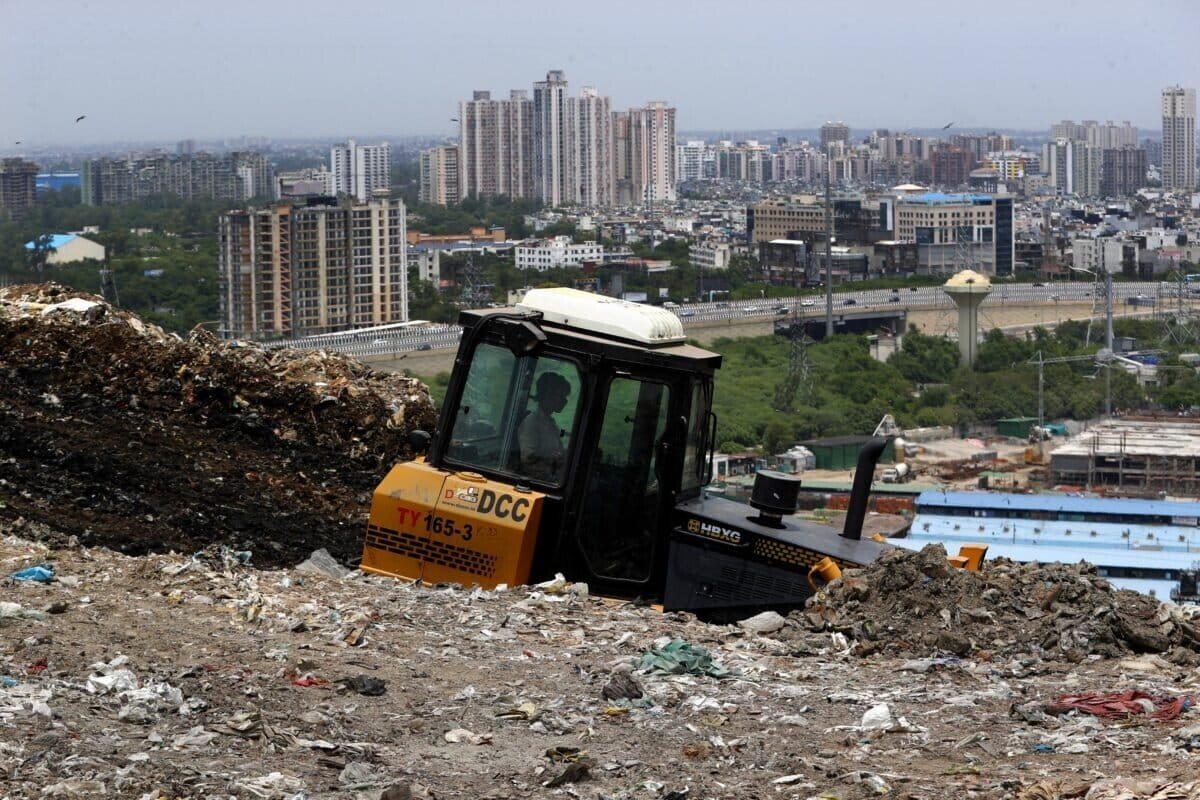
For Delhi, where landfill sites remain among the most visible symbols of the city’s waste crisis, the coming implementation phase will test whether policy reform can translate into practical improvements in urban sanitation and sustainable waste management.