


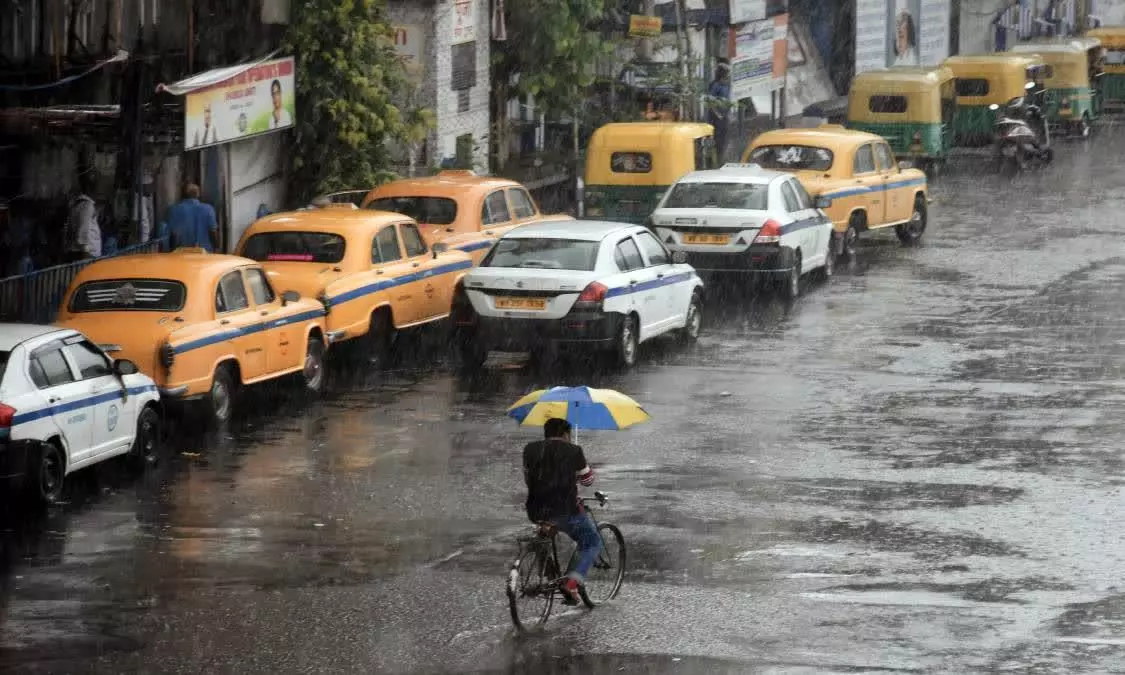
Kolkata is facing a tightening supply of app-based cabs and shared ride services, raising concerns over urban mobility and commuter accessibility.
The emerging shortage is beginning to affect daily travel patterns, particularly during peak hours, as fewer vehicles remain available on the road.The Kolkata app cab shortage is being attributed to a combination of operational challenges, including rising fuel costs, regulatory pressures and shifting driver preferences. Many drivers are reportedly reducing active hours or moving to alternative income streams, leading to a contraction in fleet availability.Mobility experts note that the Kolkata app cab shortage highlights structural vulnerabilities in platform-based transport systems. While ride-hailing services have become an integral part of urban mobility, their dependence on flexible labour and variable operating costs can lead to fluctuations in service levels.From a commuter perspective, the shortage is resulting in longer wait times, increased fares and reduced reliability. For many users, especially those relying on last-mile connectivity, app cabs have served as a critical link between public transport systems and final destinations. Disruptions in availability can therefore have cascading effects on overall travel efficiency.The Kolkata app cab shortage also intersects with broader transport dynamics in the city. As traditional public transport systems face capacity constraints and operational challenges, the reduced availability of app-based services further narrows mobility options for residents.
Economic implications are becoming visible as well. Drivers facing rising operational costs may find it difficult to sustain profitability, while commuters may experience increased travel expenses. This dynamic can impact both supply and demand, further influencing market stability.Urban planners emphasise the need to integrate app-based mobility into a more resilient transport framework. Diversifying mobility options, including strengthening public transport and promoting shared mobility solutions, can help mitigate the impact of such shortages.There are also environmental considerations.Reduced availability of shared ride options may push more commuters towards private vehicle use, potentially increasing congestion and emissions.Ensuring a stable supply of shared mobility services is therefore important for maintaining sustainable transport outcomes.Regulatory clarity and policy support are seen as critical to addressing the issue. Transparent pricing frameworks, driver incentives and infrastructure support can help stabilise the sector and encourage continued participation from service providers.The Kolkata app cab shortage underscores the importance of balancing innovation with sustainability in urban transport systems.While digital platforms have transformed mobility, their long-term viability depends on addressing economic and operational challenges.
Looking ahead, restoring equilibrium in the ride-hailing ecosystem will require coordinated efforts between platform operators, drivers and policymakers. Strengthening the reliability of shared mobility services will be key to ensuring that Kolkata’s transport network remains efficient, accessible and adaptable to changing urban needs.
Also Read:Kolkata Corporate Shuttle Buses Reshape Urban Mobility
