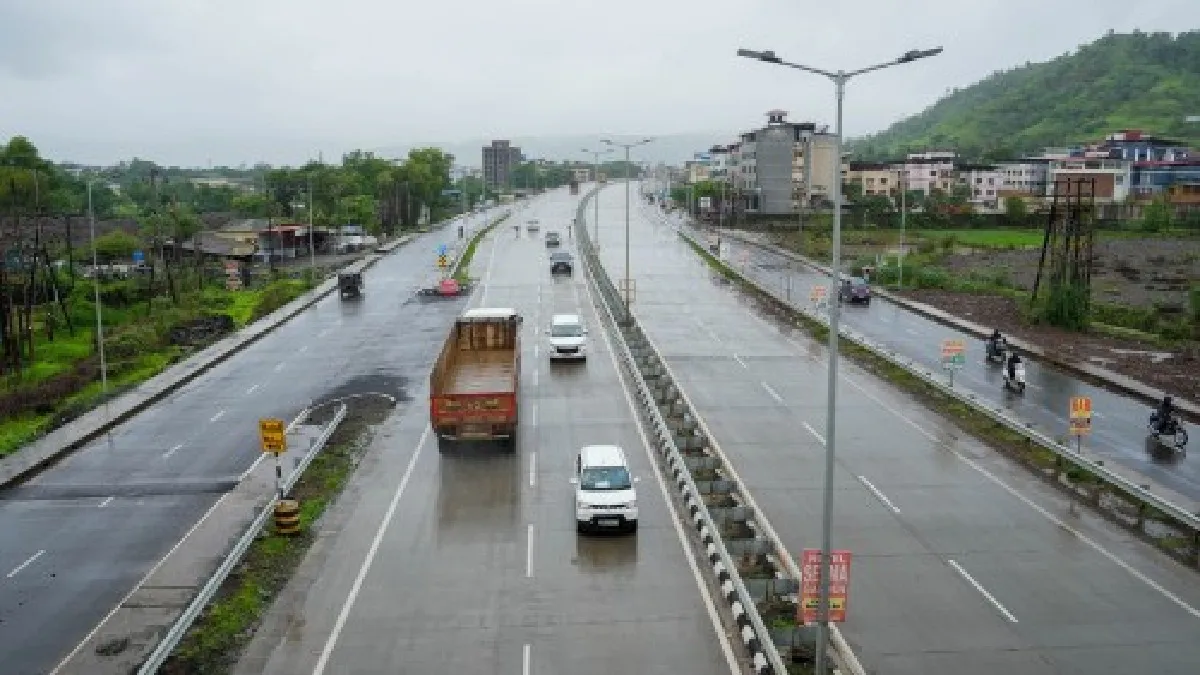
Nagpur Prioritises Pre Monsoon Infrastructure Works
Nagpur’s municipal administration is stepping up preparations ahead of the monsoon season, placing renewed emphasis on completing infrastructure projects and strengthening drainage systems to reduce the risk of waterlogging and urban disruption. The civic push reflects a broader effort to improve climate resilience and ensure continuity in mobility and public services during periods of heavy rainfall.With the onset of monsoon typically exposing vulnerabilities in road quality and stormwater management, city authorities are prioritising time-bound execution of ongoing works, including road repairs, desilting of drains, and upgrades to key urban corridors. These measures are aimed at maintaining accessibility across neighbourhoods while minimising damage to public and private property.
Urban planners note that cities like Nagpur, which are experiencing steady population growth and expanding built-up areas, face increasing pressure on legacy infrastructure systems. Drainage networks designed for earlier urban densities often struggle to cope with current runoff volumes, particularly when compounded by rapid concretisation and reduced permeable surfaces.In this context, the focus on pre-monsoon infrastructure is not limited to reactive maintenance but extends to improving long-term resilience. Strengthening stormwater drainage, ensuring proper gradient design in roads, and maintaining catchment areas are among the key interventions that can reduce the incidence of flooding during peak rainfall events.Municipal officials are also coordinating across departments to ensure that infrastructure projects are completed within defined timelines. Delays in roadworks or incomplete drainage systems can lead to bottlenecks, especially in low-lying and densely populated areas where even moderate rainfall can disrupt daily activity.
Experts in urban governance highlight that effective pre-monsoon planning requires integrated execution rather than isolated interventions. For instance, road resurfacing without corresponding drainage improvements can lead to premature damage, while incomplete desilting of drains can negate the benefits of infrastructure upgrades.Citizen experience remains a key indicator of progress. Waterlogging, traffic congestion, and damage to road surfaces are recurring concerns during monsoon months, directly impacting commute times, safety, and economic activity. Addressing these issues through coordinated civic action can significantly enhance urban liveability.There is also an environmental dimension to these efforts. Improved drainage systems help prevent contamination of water bodies, while better-managed runoff can reduce soil erosion and pressure on sewage networks. As climate variability increases, such measures are becoming essential components of urban planning rather than seasonal fixes.
For Nagpur, the upcoming monsoon period will serve as a practical test of its preparedness and infrastructure readiness. The effectiveness of current interventions will depend on timely completion, quality of execution, and continuous monitoring by civic authorities.Looking ahead, sustained investment in resilient infrastructure, combined with data-driven maintenance practices and citizen feedback mechanisms, could help Nagpur build a more adaptive urban system. Such an approach would not only address immediate seasonal challenges but also contribute to long-term improvements in mobility, safety, and environmental performance across the city.