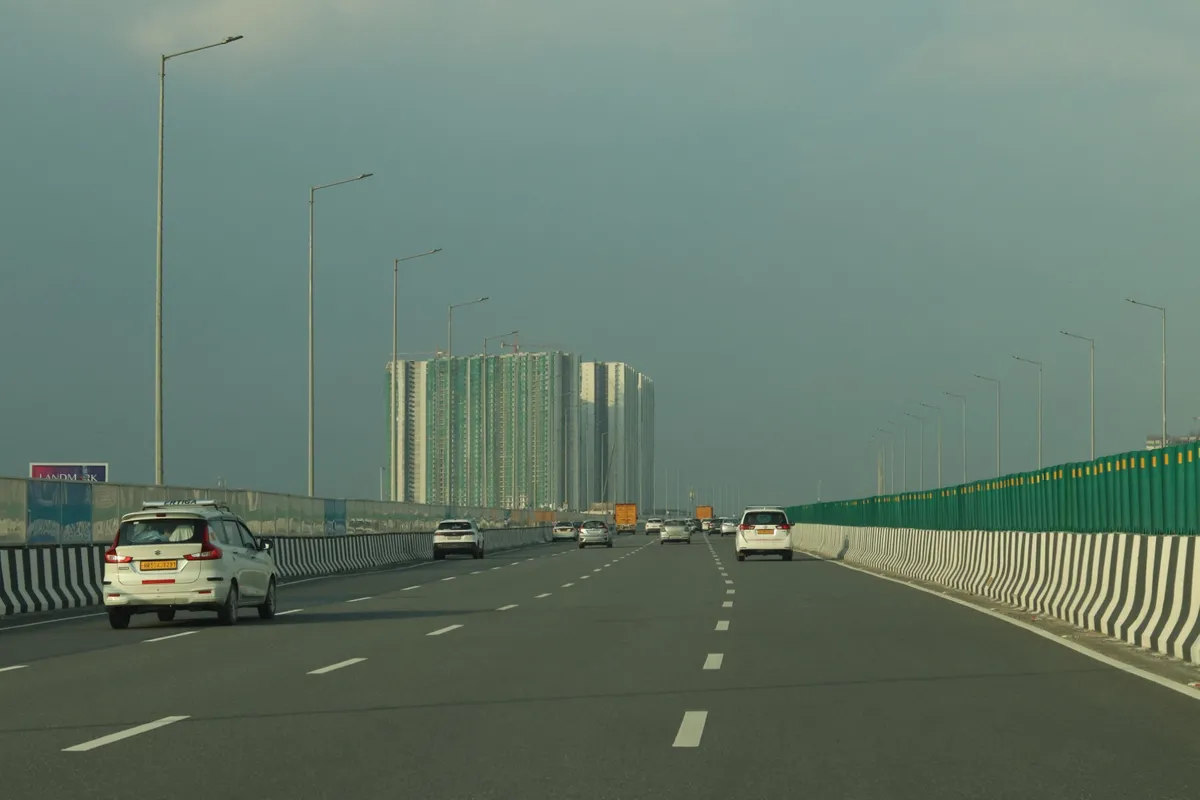
Nagpur’s road network is under fresh scrutiny after municipal data suggested that only a small fraction of the city’s asphalt surfaces require repair — a figure that sharply contrasts with widespread commuter complaints of potholes and damaged stretches across key thoroughfares. The discrepancy has raised questions about urban infrastructure monitoring and the capacity of civic systems to keep pace with everyday wear and tear in a fast-growing city. According to figures compiled from all 10 zonal offices of the Nagpur Municipal Corporation (NMC), barely 12,834 square metres of road were classified as needing patchwork. For a city with more than 4,000 km of municipal roads, that estimate amounts to a minuscule share — one that many residents and transport analysts find difficult to reconcile with on-ground conditions.
Commuters have taken to social media and local channels to share images and videos showing crater-like potholes, uneven surfaces, and open manholes on major routes, underscoring the day-to-day risks faced by motorists and pedestrians alike. These independent accounts point to a far more pervasive problem than official figures suggest. Urban planners note that effective road maintenance requires robust data collection mechanisms that reflect real-time conditions rather than periodic estimates. Inconsistencies in reporting across zones — with some indicating relatively high repair needs and others reporting minimal damage — may reflect gaps in inspection protocols, resource allocation, or administrative priorities. The current repair assessment has also triggered internal reviews within the NMC’s engineering departments. A senior municipal engineer has asked zonal officers to revise their estimates within a short deadline, signalling recognition of potential underreporting. Officials have pointed out that the existing figures would allow patchwork to be completed in a matter of weeks, a pace that does not match the volume of complaints received from citizens.
Part of the challenge stems from fragmented infrastructure ownership. While the NMC manages the majority of urban roads, several key corridors fall under state and national agencies, including the Public Works Department (PWD) and national highways authorities. The lack of a unified maintenance framework often leads to uneven repair standards and accountability gaps. Experts argue that improving road conditions in cities like Nagpur requires integrated planning that bridges data, finance, and execution. Digital asset management systems, independent quality audits, and community feedback loops can help align official records with lived experiences. Such systems have been adopted in other Indian cities with varying success, enhancing responsiveness and reducing repair backlogs.Beyond technical fixes, there are economic and safety implications. Poor road quality increases vehicle operating costs, contributes to traffic congestion, and raises the risk of accidents — particularly for two-wheeler riders and pedestrians. For a city positioning itself as a regional hub, these challenges can affect mobility, logistics, and investor confidence.
Looking ahead, aligning municipal estimates with actual road conditions will be critical as Nagpur prepares for upcoming monsoon seasons, when water ingress can exacerbate surface deterioration. A more transparent, data-driven maintenance strategy could not only improve travel safety but also strengthen trust between residents and civic institutions