India AI Interior Design Tools Transform Home Planning
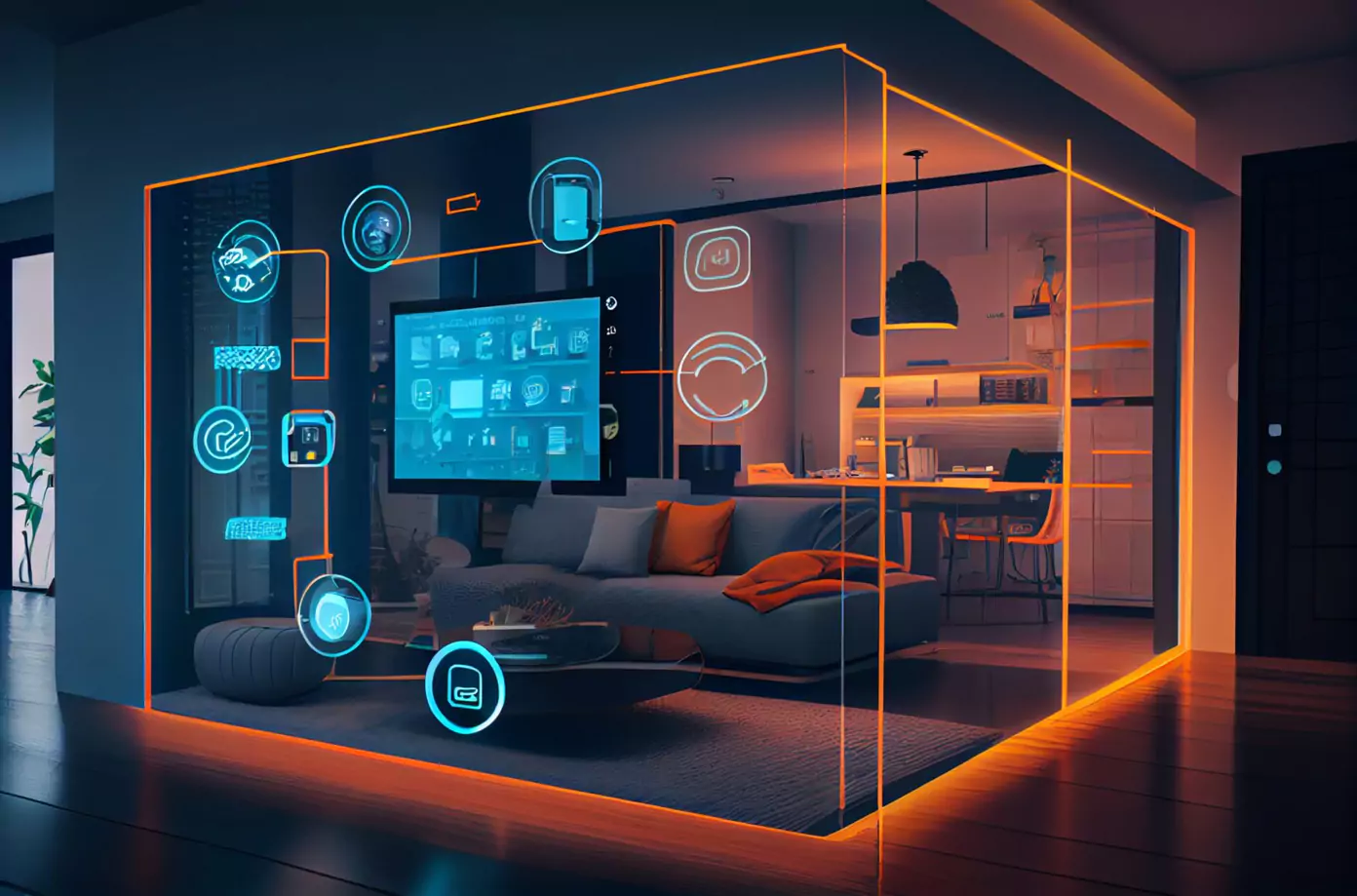
The growing adoption of AI interior design tools is reshaping how urban homes are planned, visualised, and executed, offering faster and more accessible solutions for homeowners and designers alike. As cities expand and housing becomes more compact, these tools are emerging as key enablers of efficient and personalised interior design.AI interior design tools allow users to generate layouts, experiment with styles, and visualise spaces in real time using minimal inputs. By leveraging machine learning and image recognition, these platforms can recommend furniture arrangements, colour palettes, and décor elements tailored to specific room dimensions and user preferences.
The rise of AI interior design tools is closely linked to changing urban lifestyles. With an increasing number of homeowners seeking quick and cost-effective design solutions, especially in apartments and smaller homes, digital platforms are bridging the gap between professional design services and DIY approaches.Industry observers note that these tools are democratising access to interior design. Traditionally, hiring professional designers has been limited to premium segments due to cost and accessibility constraints. AI-driven platforms, however, are enabling a wider audience to engage in the design process, making it more inclusive and user-driven.For the real estate and construction ecosystem, the impact is significant. Developers are beginning to integrate AI interior design tools into their sales processes, allowing potential buyers to visualise furnished units and customise layouts before purchase. This not only enhances buyer engagement but also helps streamline decision-making.
Urban planners highlight that such technologies can contribute to more efficient space utilisation—a critical factor in densely populated cities. AI-generated layouts can optimise room configurations, improve storage solutions, and enhance functionality without requiring structural changes.At the same time, the adoption of AI interior design tools is influencing material consumption patterns. By enabling precise visualisation, these tools reduce trial-and-error in design execution, potentially minimising material wastage and supporting more sustainable construction practices.However, experts caution that while AI tools offer speed and convenience, they cannot fully replace human creativity and contextual understanding. Design decisions related to cultural preferences, ergonomics, and long-term usability still require professional expertise.Another emerging trend is the integration of AI with augmented reality (AR) and virtual reality (VR), allowing users to experience spaces before they are built or renovated. This convergence of technologies is expected to further transform how interior design is approached in urban environments.Despite these advancements, challenges remain. Data privacy, platform accuracy, and the quality of recommendations can vary across tools, requiring users to exercise discretion. Additionally, the effectiveness of AI-generated designs depends heavily on the quality of input data provided.
Looking ahead, AI interior design tools are likely to become an integral part of the housing and design ecosystem. As urbanisation accelerates and demand for efficient, personalised living spaces grows, these technologies will play a crucial role in shaping how homes are designed and experienced.By combining speed, accessibility, and data-driven insights, AI interior design tools are redefining the boundaries of design—offering a glimpse into a future where technology and creativity converge to meet the evolving needs of urban living.