India Industrial Coatings Sector Expands With Infrastructure
India’s industrial coatings market is witnessing steady expansion, underpinned by rising infrastructure activity, manufacturing growth, and increasing demand for durable materials across the built environment. The sector, though smaller than decorative paints, is emerging as a critical component of industrial and urban development.Industrial coatings—used to protect machinery, buildings, transport systems, and infrastructure—are seeing growing adoption as India scales up investments in roads, railways, ports, and industrial corridors. Market estimates suggest the India industrial coatings market was valued at around $3.8–3.9 billion in the mid-2020s and is projected to cross $5 billion over the next decade, supported by gradual but consistent growth.
The expansion is closely tied to structural drivers such as rapid industrialisation and urbanisation. As cities grow and infrastructure networks expand, demand for corrosion-resistant, high-performance coatings is increasing across sectors including construction, automotive, and energy. Unlike decorative paints, which are largely consumer-driven, industrial coatings are linked to capital expenditure cycles. Their demand tends to rise with investments in manufacturing plants, logistics hubs, and large-scale infrastructure projects. This makes the segment a key indicator of long-term industrial activity rather than short-term consumption trends.Urban development experts note that industrial coatings play a crucial but often overlooked role in extending the lifecycle of infrastructure. From bridges and metro systems to industrial equipment, these coatings help reduce maintenance costs, improve durability, and enhance resilience against environmental stress—factors that are increasingly important in climate-sensitive urban planning.
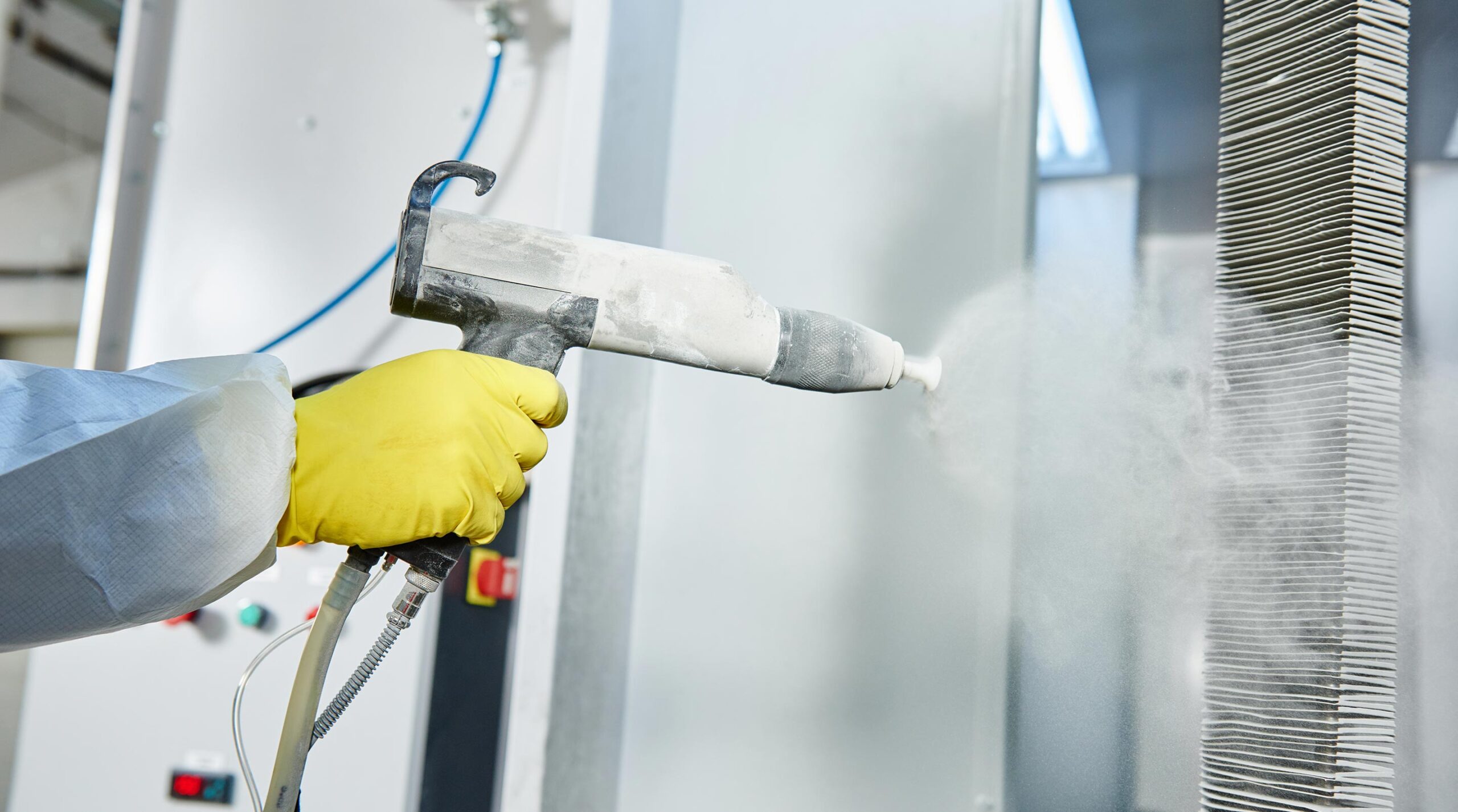
The market is also evolving in response to environmental and regulatory pressures. There is a growing shift towards low-VOC (volatile organic compound) and water-based coatings, driven by stricter environmental norms and rising awareness around sustainability. This transition is pushing manufacturers to invest in research and innovation, particularly in formulations that balance performance with reduced environmental impact.At the same time, technological advancements are reshaping the competitive landscape. Developments in epoxy, polyurethane, and powder coatings are expanding application areas, offering improved resistance to heat, chemicals, and wear. These innovations are particularly relevant for sectors such as renewable energy, where coatings are used in wind turbines and solar installations.However, the sector faces its own set of challenges. Raw material costs, often linked to crude oil derivatives, remain volatile and can impact profitability. Additionally, the fragmented nature of the market, with a mix of organised and unorganised players, creates pricing pressures and uneven quality standards.
Despite these constraints, the outlook remains stable. Broader estimates indicate that India’s overall paints and coatings market could nearly double in value over the next decade, driven by infrastructure expansion and industrial demand. This positions industrial coatings as a key growth segment within the larger ecosystem.Looking ahead, the trajectory of the India industrial coatings market will depend on how effectively it aligns with the country’s infrastructure ambitions and sustainability goals. As urban systems become more complex and climate risks intensify, the demand for durable, efficient, and environmentally responsible materials is expected to shape the next phase of growth in the sector.