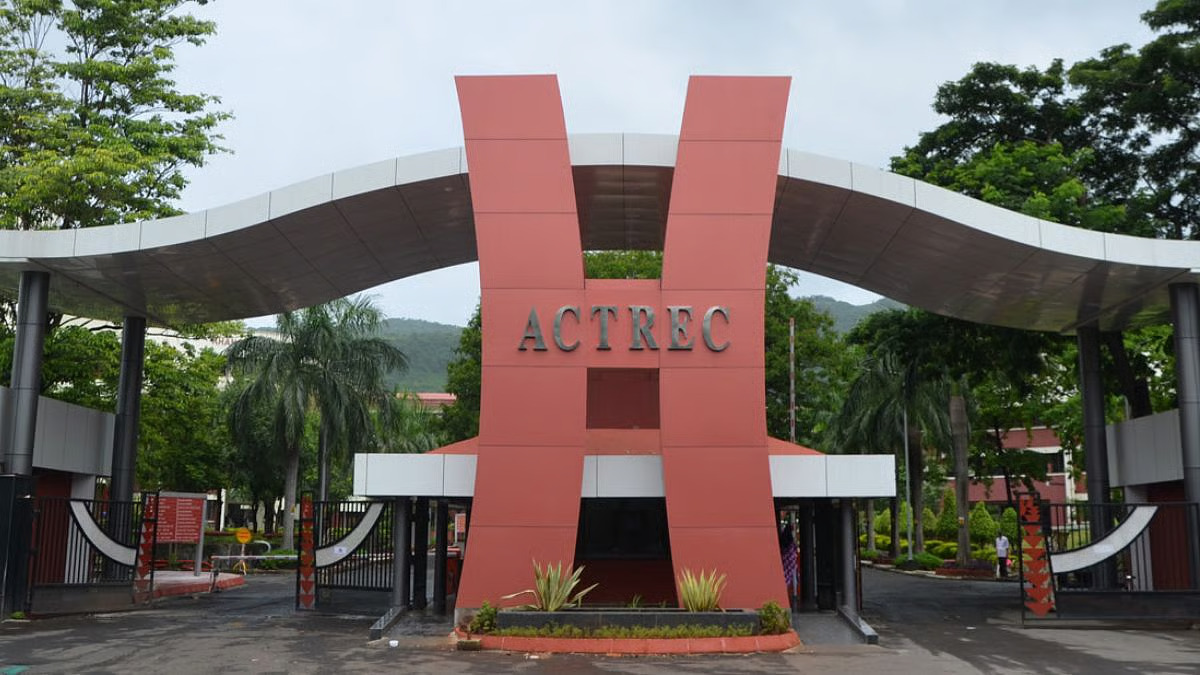
A major residential infrastructure expansion is underway at a leading cancer research and treatment campus in Kharghar, Navi Mumbai, aimed at strengthening India’s oncology training ecosystem. The upcoming multi-storey housing facility is expected to accommodate hundreds of doctors, students, and researchers, addressing a critical gap in institutional support systems as demand for specialised cancer care continues to rise.
The project, being developed within the Advanced Centre for Treatment, Research and Education in Cancer (ACTREC) campus, reflects a broader shift in how healthcare institutions are planning long-term capacity. With rising patient volumes and increasing complexity in treatment protocols, experts say that building a robust pipeline of trained professionals requires not just academic infrastructure but also high-quality residential facilities. Designed as a 12-storey structure, the development will include a mix of hostel rooms and residential units to support trainees and medical professionals relocating from across the country. The initiative is expected to significantly ease accommodation constraints, which have often been a barrier for institutions seeking to expand academic programmes and research output.
Urban planners highlight that such investments are becoming increasingly important in metropolitan regions like Navi Mumbai, where healthcare hubs are evolving alongside residential and commercial growth. By integrating living spaces within institutional campuses, projects like this reduce commuting pressures, improve time efficiency, and contribute to lower transport-related emissions—an important consideration in building climate-resilient urban systems. The residential complex will incorporate shared amenities designed to support both physical and mental well-being, including common dining spaces, fitness areas, and landscaped open zones. Experts note that the inclusion of such features reflects a growing recognition of the demanding nature of medical training, where long working hours and high-stress environments require supportive living conditions.
Institutional officials indicate that the expansion is aligned with long-term goals to enhance research capabilities and clinical excellence. As cancer incidence rises across India, large public health institutions are under pressure to scale up both treatment capacity and specialised training. Strengthening residential infrastructure is seen as a foundational step in retaining talent and ensuring continuity in advanced medical education. From a broader urban development perspective, the project underscores the role of social infrastructure in shaping inclusive cities. Access to affordable, well-designed accommodation for students and healthcare workers contributes to more equitable urban growth, particularly in knowledge-intensive sectors like healthcare and research.
The Kharghar campus, already a key node in India’s cancer care network, is expected to see further expansion in the coming years. As this residential facility moves towards completion, it is likely to enhance the institution’s ability to attract and support a diverse pool of medical professionals, reinforcing Navi Mumbai’s position as an emerging healthcare and research hub.
ACTREC Plans 12 Storey Housing For Doctors And Students