


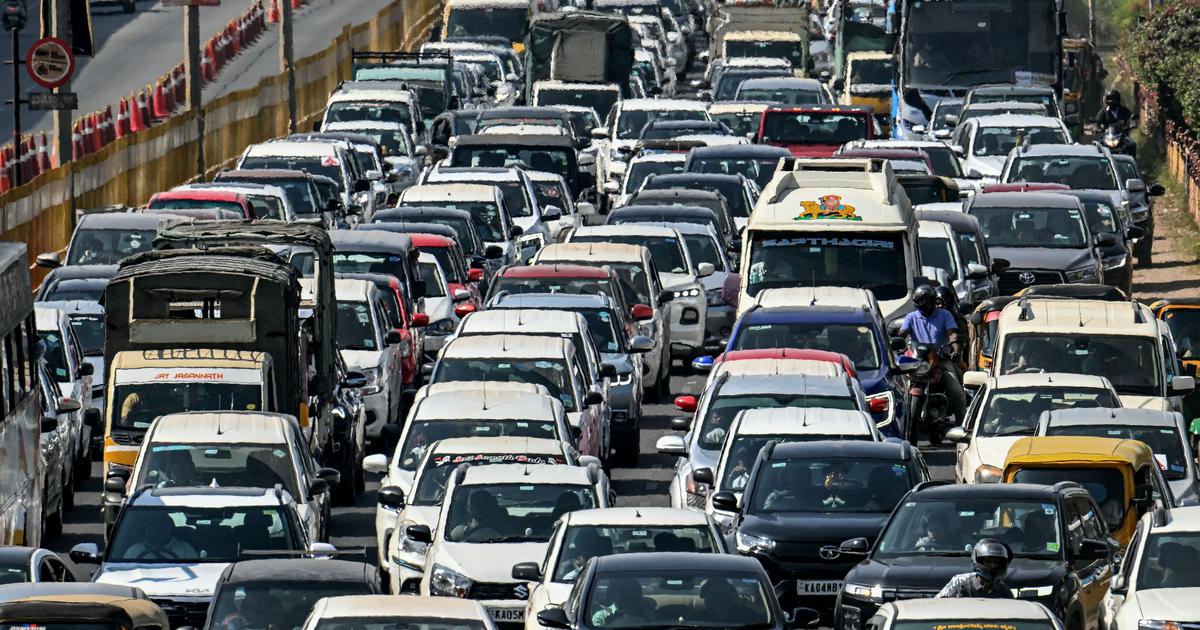
Temporary traffic restrictions on a key Bengaluru corridor are set to impact commuter movement, underscoring the challenges of managing urban mobility during infrastructure works and civic activities.
The curbs on Seppings Road, implemented for a limited period, are expected to alter traffic patterns and increase pressure on alternative routes.The Bengaluru Seppings Road traffic curbs are part of a broader effort to manage on-ground activities requiring controlled vehicular movement. While such measures are often necessary for maintenance, events or infrastructure-related work, they highlight the limited flexibility within densely used urban road networks.Transport planners note that the Bengaluru Seppings Road traffic curbs reflect the need for adaptive traffic management strategies in growing cities. With high vehicle density and limited road expansion possibilities, even short-term disruptions can lead to congestion spillovers across adjacent corridors.From a commuter perspective, the restrictions may result in longer travel times, route diversions and increased uncertainty during peak hours.Public transport systems and ride-hailing services may also experience delays, affecting overall travel efficiency within the area.The Bengaluru Seppings Road traffic curbs also bring attention to the importance of real-time traffic information systems.Providing timely updates through digital platforms can help commuters plan alternative routes and reduce congestion impact. Experts emphasise that effective communication is critical to managing short-term disruptions
.There are environmental implications as well. Traffic diversions and idling vehicles can lead to higher fuel consumption and emissions, particularly if congestion intensifies on surrounding roads.Minimising the duration of such curbs and ensuring efficient traffic flow are therefore important for maintaining environmental standards.Urban planners highlight that temporary restrictions offer insights into the resilience of transport networks. The ability of a city to absorb disruptions without significant breakdowns in mobility is a key indicator of infrastructure robustness. The Bengaluru Seppings Road traffic curbs provide an opportunity to assess and improve traffic management systems.Economic impacts, though short-term, can also be felt. Delays in movement affect productivity, logistics and local businesses that depend on steady footfall and accessibility. Ensuring minimal disruption is therefore important for maintaining economic activity in affected areas.Experts suggest that integrating such traffic management measures with long-term planning can improve outcomes. This includes designing alternative routes, enhancing public transport options and using data analytics to predict and manage congestion.The Bengaluru Seppings Road traffic curbs highlight the ongoing challenge of balancing infrastructure needs with daily mobility demands. As cities continue to grow, such disruptions are likely to become more frequent, requiring more sophisticated management approaches.
Looking ahead, strengthening urban traffic systems through technology, planning and coordination will be key to ensuring smoother mobility. Building resilience into transport networks can help cities like Bengaluru better navigate both planned and unplanned disruptions while maintaining efficiency and sustainability.
Also Read:Bengaluru Emergency Helpline Integration Boosts Crisis Response
