


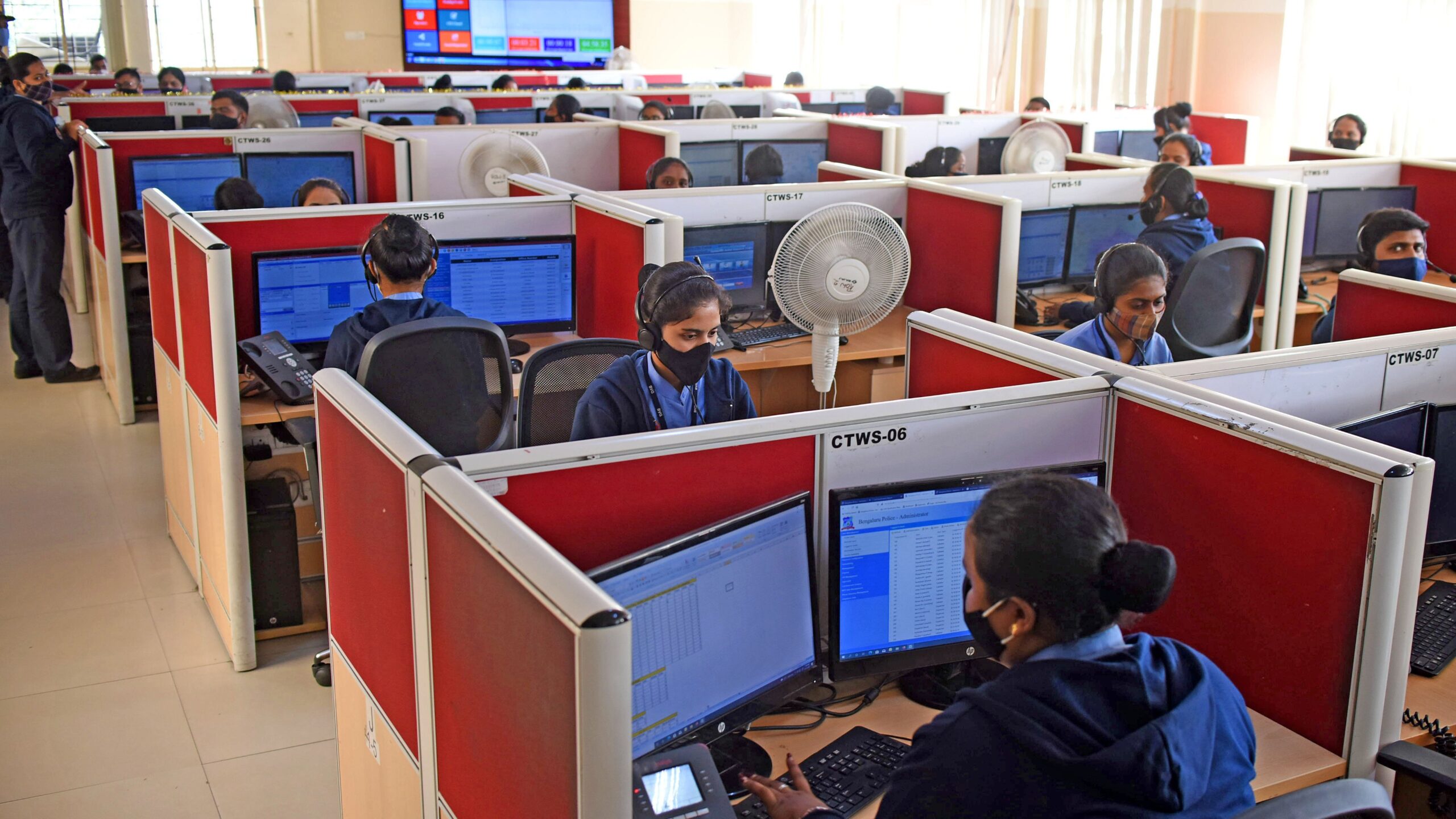
Bengaluru has strengthened its emergency response framework by integrating mental health support services with the city’s primary emergency helpline, creating a more coordinated system for handling distress calls.
The initiative is aimed at improving response times and ensuring that individuals in crisis receive appropriate assistance more efficiently.The Bengaluru emergency helpline integration connects mental health support lines with the broader emergency response network, enabling seamless coordination between healthcare professionals and first responders. This approach allows calls related to psychological distress to be routed quickly to trained personnel, while also facilitating intervention from emergency services when required.Urban governance experts view the Bengaluru emergency helpline integration as a significant step towards more inclusive public safety systems. Traditional emergency services have often focused on physical incidents, but the integration of mental health support reflects a broader understanding of urban well-being and the need for holistic response mechanisms.From a public health perspective, the initiative addresses a critical gap in crisis management. Timely intervention during mental health emergencies can prevent escalation and reduce the risk of harm. By linking support services with emergency infrastructure, the city is enhancing its ability to respond to a wider range of situations.The Bengaluru emergency helpline integration also highlights the role of technology in modern urban governance. Digital systems that enable real-time communication and data sharing between agencies can significantly improve operational efficiency. Such integration reduces delays and ensures that resources are deployed where they are most needed.
There are broader implications for urban resilience. Cities are increasingly recognising that resilience extends beyond infrastructure to include social and health systems. Strengthening emergency response frameworks contributes to a city’s ability to manage crises, whether they are related to health, safety or environmental factors.Experts note that successful implementation will depend on training, awareness and coordination. Emergency responders must be equipped to handle sensitive situations, while public awareness campaigns are essential to ensure that residents understand how to access these services.The initiative also underscores the importance of inter-agency collaboration.Effective crisis response requires coordination between healthcare providers, law enforcement and emergency services.Establishing clear protocols and communication channels is key to ensuring that the system functions smoothly.From an economic perspective, improved emergency response systems can reduce the long-term costs associated with crises by enabling early intervention. Efficient handling of emergencies can also enhance public confidence in urban governance, contributing to overall social stability.The Bengaluru emergency helpline integration represents a move towards more responsive and people-centric urban systems. By addressing both physical and mental health emergencies, the city is expanding the scope of its public safety framework.
Looking ahead, scaling such initiatives and integrating them with broader healthcare and social support systems will be crucial. As urban challenges become more complex, building comprehensive and coordinated response mechanisms will be key to ensuring the safety and well-being of residents.
Also Read:Bengaluru Hyderabad Rail Upgrade Speeds Up Intercity Travel
