Gurugram EV Battery Production Capacity Sees Expansion
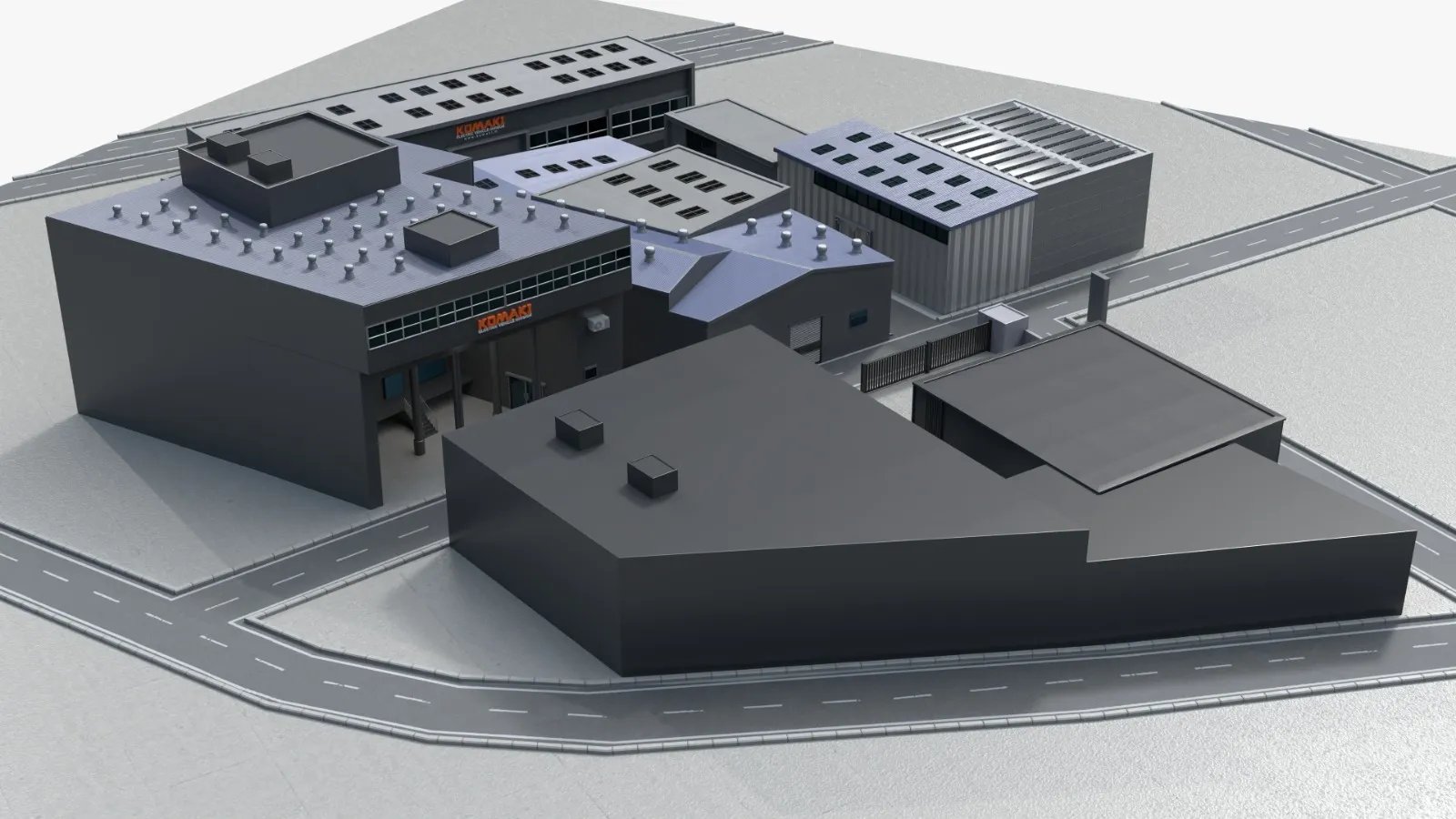
Gurugram is strengthening its role in India’s emerging electric mobility supply chain following the commissioning of a new electric vehicle battery manufacturing facility in the city’s industrial belt. The plant, developed by a domestic electric vehicle manufacturer, is expected to expand local production capacity while supporting the broader transition towards cleaner urban transportation systems. The newly operational unit has been established in the Udyog Vihar industrial area, one of Gurugram’s key manufacturing clusters. Spread across approximately 40,000 square feet, the facility has been developed with an investment estimated at around ₹30 crore. Industry officials indicated that the plant is designed to produce roughly 120,000 battery packs annually, significantly expanding the company’s battery manufacturing capability.
The facility will manufacture advanced lithium battery systems commonly used in electric two-wheelers and other light mobility platforms. Specifically, the plant will focus on lithium iron phosphate (LFP) and lithium manganese iron phosphate (LMFP) battery chemistries, both of which are increasingly adopted within the electric vehicle sector for their durability, safety characteristics and suitability for high-temperature environments often experienced in Indian cities. Energy storage technologies such as LFP batteries are widely recognised for their improved thermal stability and longer operational lifespan compared to conventional lithium-ion variants. Industry analysts note that such battery systems are particularly well suited to the operational patterns of electric two-wheelers and urban delivery vehicles, where frequent charging cycles are common. The expansion of EV battery production in Gurugram also reflects the growing importance of domestic manufacturing within India’s electric mobility ecosystem. Policymakers have increasingly emphasised localisation of critical components such as battery packs and energy storage systems to reduce dependence on imports while strengthening supply chain resilience.
Manufacturing experts point out that battery production facilities not only support vehicle assembly operations but also contribute to the development of associated industries, including electronics integration, thermal management systems and battery management software. These sectors collectively form the backbone of the rapidly evolving EV ecosystem. In addition to production capacity, the facility is expected to incorporate processes aimed at improving material efficiency and minimising waste during battery assembly. Efficient use of materials is particularly important within the battery industry, where supply chains for raw materials remain globally competitive and environmentally sensitive. Urban planners and sustainability specialists highlight that expanding EV infrastructure and manufacturing capacity is critical for cities seeking to reduce transport-related emissions. Electric two-wheelers currently account for a significant portion of India’s early electric mobility adoption, particularly in densely populated urban areas where shorter travel distances and lower operating costs make the transition more viable.
As India’s electric vehicle market continues to grow, facilities such as the Gurugram EV battery plant may play an increasingly important role in supporting domestic technology development, supply chain localisation and climate-focused urban mobility strategies.