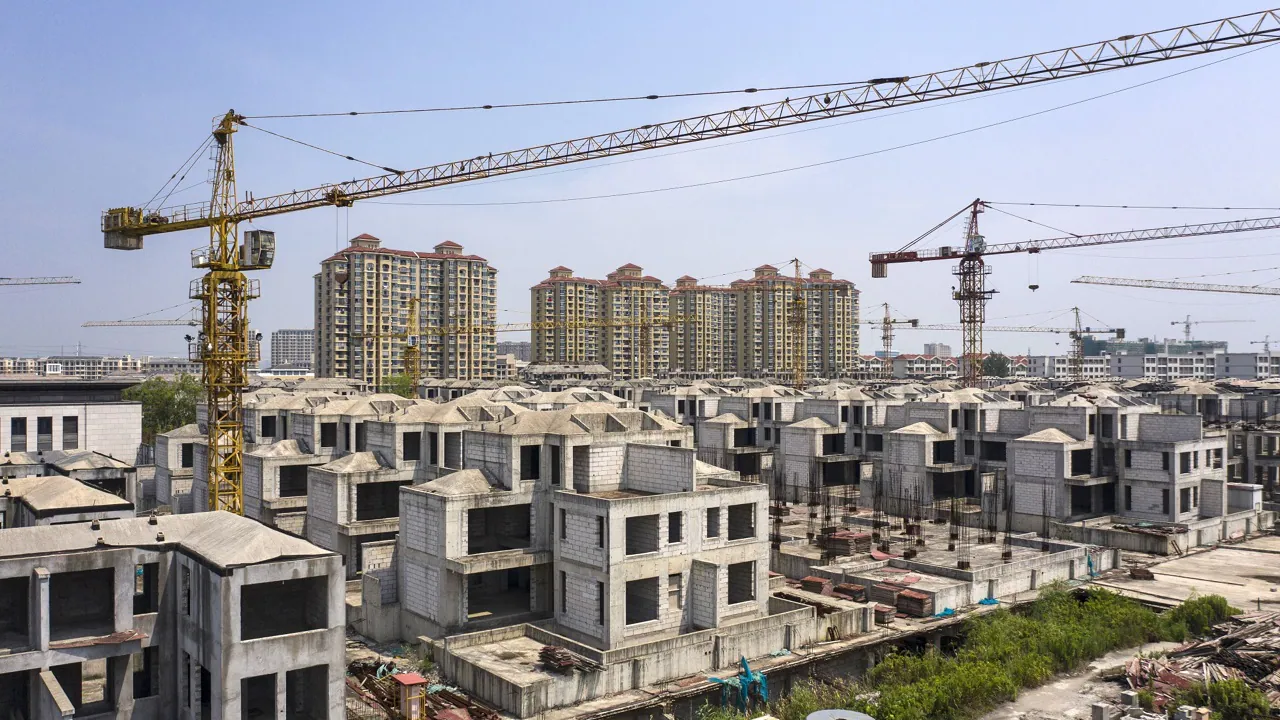
Residential transactions in the capital region registered a notable slowdown in the first quarter of 2026, with Delhi NCR housing sales declining sequentially as global uncertainty weighed on buyer sentiment. The moderation highlights how external geopolitical developments are increasingly influencing domestic real estate decisions, even as long-term housing demand fundamentals remain intact. Market data indicates that housing sales across the region fell by 17 per cent compared to the previous quarter, with transaction volumes dropping to under 16,000 units between January and March. The dip follows a stronger performance in the preceding quarter and reflects a pause in buyer activity, particularly toward the end of the financial year.
Despite the quarterly contraction, Delhi NCR housing sales showed a sharp year-on-year increase, rising by over 40 per cent. Analysts attribute this growth to a relatively low base in the corresponding period last year, rather than a sudden surge in demand. This dual trend—annual growth alongside short-term moderation—points to a market adjusting to evolving global and domestic conditions. At the national level, residential sales across major metropolitan regions recorded moderate annual expansion but also declined on a sequential basis, signalling a broader cooling phase. Industry observers suggest that uncertainty linked to geopolitical tensions, particularly in energy-sensitive regions, has temporarily impacted investor confidence and delayed purchase decisions. A segment of overseas buyers, especially those with financial exposure to global markets, is understood to have deferred investments in Indian housing during the quarter. This has had a visible impact on high-value transactions in urban centres such as the National Capital Region, where cross-border capital flows often play a role. Within the region, demand patterns are becoming increasingly selective.
Developers and market analysts note that buyers are prioritising projects with strong location advantages, infrastructure connectivity and developer credibility. This shift suggests a maturing market that is gradually moving away from speculative purchases toward end-user-driven demand. Emerging corridors in Noida and Greater Noida continue to attract interest, supported by ongoing infrastructure investments, including transport and logistics projects that are expected to enhance long-term connectivity. However, growth remains uneven across micro-markets, reflecting differences in planning quality, service delivery and urban infrastructure readiness. From a broader urban development perspective, the current phase underscores the importance of aligning housing supply with infrastructure capacity and environmental sustainability. As cities expand, ensuring access to reliable transport, water, and energy systems will be critical to maintaining demand momentum. The recent dip in Delhi NCR housing sales also signals the sector’s sensitivity to global economic signals, reinforcing the need for resilience in real estate planning and investment strategies. While the underlying drivers of urbanisation, income growth and housing demand remain strong, short-term volatility is likely to persist.
Looking ahead, stakeholders expect demand to stabilise as macroeconomic conditions improve and infrastructure-led growth continues to reshape the region. The trajectory of the market will depend on how effectively developers, policymakers and financial institutions respond to both global uncertainties and local urban challenges.