


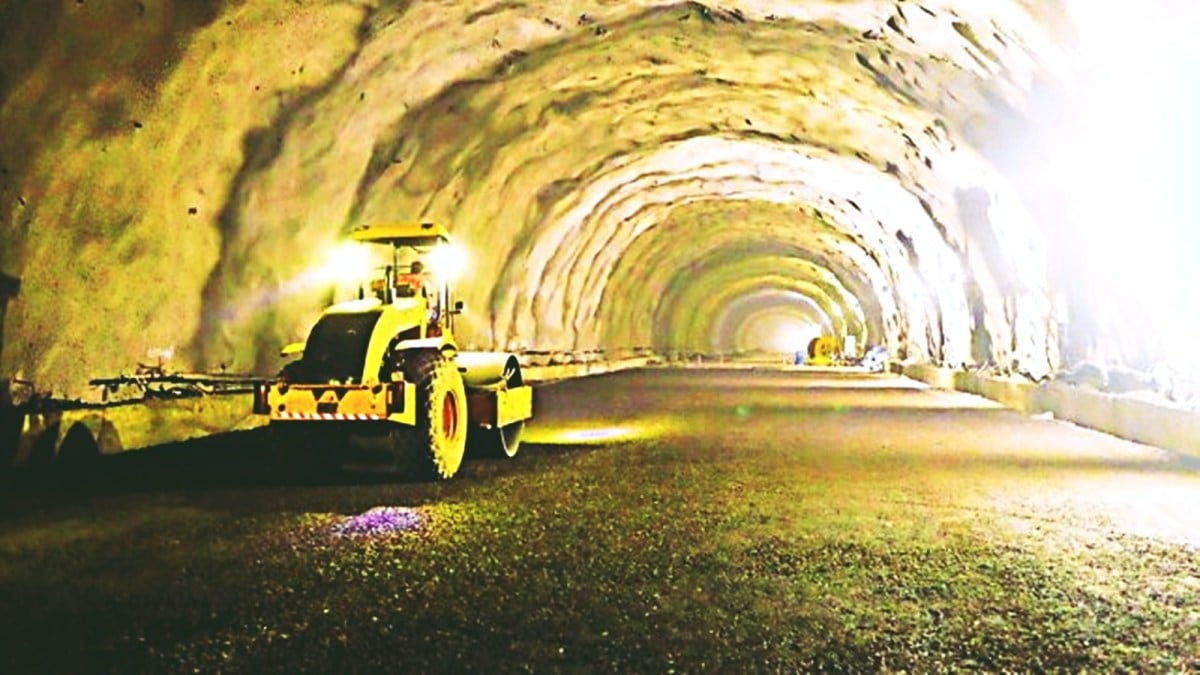
A proposed tunnel road project in Bengaluru has come under scrutiny following an inspection of Lalbagh Botanical Garden by an expert panel, highlighting concerns over potential impacts on one of the city’s most significant green spaces.
The development underscores the growing tension between infrastructure expansion and environmental conservation in rapidly urbanising regions.The Bengaluru Lalbagh tunnel road proposal aims to improve traffic flow and reduce surface congestion by creating an underground corridor. However, experts examining the site have raised questions about the ecological sensitivity of the area, including the potential risks to biodiversity, soil stability and heritage landscapes.Urban planners note that the Bengaluru Lalbagh tunnel road project reflects a broader challenge faced by cities: balancing the need for improved mobility with the preservation of critical green infrastructure.Lalbagh, as a historic botanical garden, plays an important role in maintaining urban biodiversity, regulating microclimates and providing recreational space for residents.Environmental experts warn that construction activities, even if conducted underground, can have surface-level impacts.These may include disruption to root systems, changes in groundwater flow and vibrations that could affect long-standing vegetation. The Bengaluru Lalbagh tunnel road proposal therefore requires careful assessment of both direct and indirect environmental effects.From a mobility perspective, tunnel roads are often seen as a solution to urban congestion, enabling traffic to bypass crowded surface routes. However, experts caution that such projects must be evaluated in the context of long-term transport strategies. Without complementary measures such as improved public transport, additional road capacity can lead to increased vehicle usage over time.
The Bengaluru Lalbagh tunnel road debate also highlights the importance of public consultation and transparent decision-making. Large infrastructure projects in ecologically sensitive areas often generate significant public interest, requiring authorities to balance diverse stakeholder concerns.Economic considerations are equally relevant. Infrastructure investments can enhance connectivity and support economic activity, but potential environmental costs must be factored into project planning.Preserving green spaces like Lalbagh can have long-term benefits, including improved public health, tourism and climate resilience.Urban sustainability experts emphasise that green spaces are essential components of resilient cities. They help mitigate heat, improve air quality and provide ecological balance. The potential impact of the Bengaluru Lalbagh tunnel road on such functions is therefore a critical consideration in the decision-making process.Governance and regulatory frameworks will play a key role in determining the project’s future.Environmental clearances, impact assessments and adherence to conservation guidelines will be essential to ensure that development does not compromise ecological integrity.As Bengaluru continues to expand, the challenge of integrating infrastructure with environmental preservation is becoming more complex. The Lalbagh inspection highlights the need for holistic planning approaches that consider both immediate mobility needs and long-term sustainability goals.
Looking ahead, the outcome of this review process will likely influence how similar projects are approached in the future.Ensuring that infrastructure development aligns with environmental priorities will be crucial to building a balanced and resilient urban ecosystem.
Also Read:Bengaluru Summer Infections Rise Amid Increasing Heatwave Conditions
