


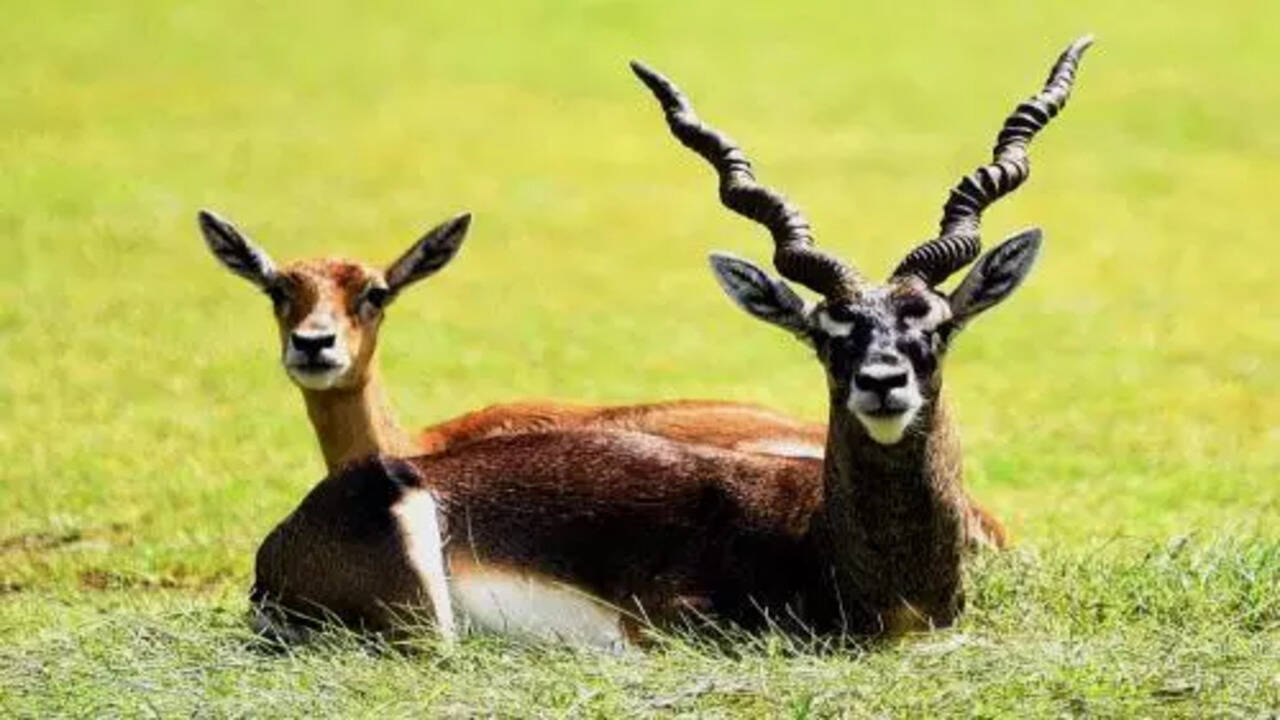
A decline in blackbuck population within Chennai’s Guindy National Park is drawing attention to the pressures faced by urban biodiversity in rapidly expanding cities.
The trend highlights the fragile balance between conservation and urban development in one of India’s few national parks located within city limits.The Chennai blackbuck decline reflects broader ecological challenges, including habitat fragmentation, human disturbance and changing environmental conditions. As urbanisation intensifies around protected areas, wildlife habitats often become isolated, limiting movement and access to resources necessary for species survival.Environmental experts note that the Chennai blackbuck decline is a critical indicator of ecosystem health. Blackbucks, being sensitive to habitat changes, can serve as a barometer for the overall condition of grassland and open habitats within the park. A reduction in their numbers may signal underlying issues such as reduced grazing areas, vegetation changes or increased stress from human activity.From an urban planning perspective, the situation underscores the importance of integrating biodiversity conservation into city development frameworks. Guindy National Park, surrounded by dense infrastructure, faces unique challenges compared to larger, remote conservation areas. Maintaining ecological corridors and buffer zones is essential to support wildlife populations within such constrained environments.
The Chennai blackbuck decline also raises questions about long-term conservation strategies in urban settings. Experts suggest that active management practices, including habitat restoration, monitoring and controlled access, may be necessary to stabilise populations.Balancing public access with conservation needs is particularly important in parks that serve both ecological and recreational functions.There are broader environmental implications as well. Urban green spaces like Guindy National Park contribute to climate resilience by regulating temperature, improving air quality and supporting biodiversity. A decline in wildlife populations can affect these ecological functions, reducing the overall benefits that such spaces provide to the city.Public awareness and community engagement are seen as key components of conservation efforts. Educating residents about the importance of protecting urban wildlife can help reduce disturbances and promote responsible behaviour around sensitive habitats.The issue also intersects with governance and policy. Coordinated action between forest departments, urban authorities and environmental organisations is necessary to address the factors contributing to the Chennai blackbuck decline. Effective conservation requires not only protection measures but also integration with broader urban planning initiatives.As Chennai continues to grow, the challenge of preserving biodiversity within city boundaries is becoming increasingly complex. The decline in blackbuck numbers serves as a reminder that conservation efforts must evolve alongside urban development.
Looking ahead, strengthening habitat protection, improving ecological connectivity and enhancing monitoring systems will be critical to reversing the trend. Ensuring that urban expansion does not come at the cost of biodiversity will be central to building a sustainable and resilient city.
Also Read:Chennai Heatwave Risk Rises With Summer Temperature Surge
