


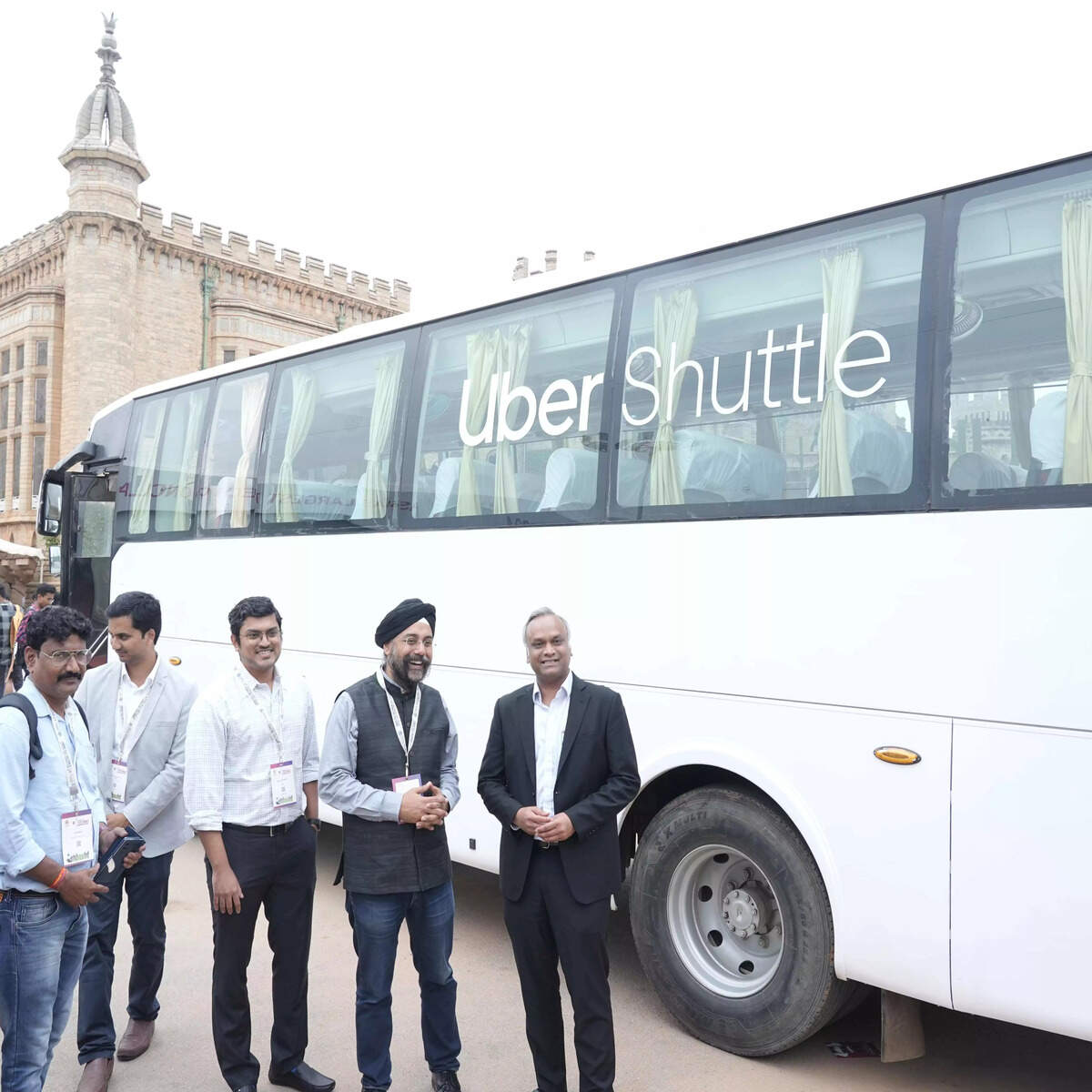
Kolkata’s urban mobility network is set to face disruption as a shared shuttle service operated by a ride-hailing platform is scheduled to be discontinued, impacting daily commuters who rely on it for cost-effective travel.
The withdrawal underscores the fragility of emerging shared mobility solutions in cities navigating congestion and public transport gaps.The Kolkata Uber shuttle exit is expected to affect office-goers and long-distance commuters who used the service as an affordable alternative to private vehicles and conventional taxis. Operating on fixed routes, such shuttle services had helped bridge connectivity gaps between residential areas and key employment hubs, particularly during peak hours.Urban mobility experts note that the discontinuation highlights challenges in sustaining app-based shared transport models. Factors such as regulatory uncertainty, operational costs and fluctuating demand can influence the viability of these services. The Kolkata Uber shuttle exit therefore raises broader questions about how cities can support and integrate shared mobility into formal transport systems.From an infrastructure perspective, the absence of such services may place additional pressure on existing public transport networks, including buses and suburban rail. Increased reliance on these systems without corresponding capacity enhancements could lead to overcrowding and longer travel times, affecting overall commuter experience.The development also has implications for traffic congestion.Without access to shared shuttle options, some commuters may shift to private vehicles or individual ride-hailing services, potentially increasing the number of vehicles on the road.
This could counter efforts to reduce congestion and emissions in a city already grappling with high traffic density.Urban planners emphasise that the Kolkata Uber shuttle exit highlights the need for integrated mobility strategies that combine public and private transport solutions. Shared mobility services, when effectively regulated and supported, can complement traditional systems by offering flexible and scalable options for commuters.There are economic considerations as well. Affordable transport options play a key role in enabling workforce mobility, particularly for middle- and lower-income groups. The loss of cost-effective services can increase commuting expenses, with potential ripple effects on household budgets and labour market accessibility.Sustainability concerns are also central to the discussion. Shared transport solutions are generally more efficient in terms of fuel use and emissions per passenger compared to individual vehicles. Their withdrawal may hinder progress towards cleaner urban mobility unless alternative low-emission options are introduced.The Kolkata Uber shuttle exit also points to the importance of policy clarity in supporting innovation in urban transport. Experts suggest that clear regulatory frameworks and incentives could help sustain such services while ensuring safety and reliability for users.As Kolkata continues to address its mobility challenges, the focus will need to shift towards creating a balanced transport ecosystem. Strengthening public transport, encouraging shared mobility and integrating different modes will be key to ensuring efficient, affordable and sustainable urban travel.
Looking ahead, the impact of the service withdrawal will depend on how quickly alternative solutions are deployed. For a city of Kolkata’s scale, maintaining diverse and resilient mobility options remains critical to supporting both economic activity and quality of life.
Also Read:Kolkata Rainfall Sees Sharp Rise In Precipitation
