


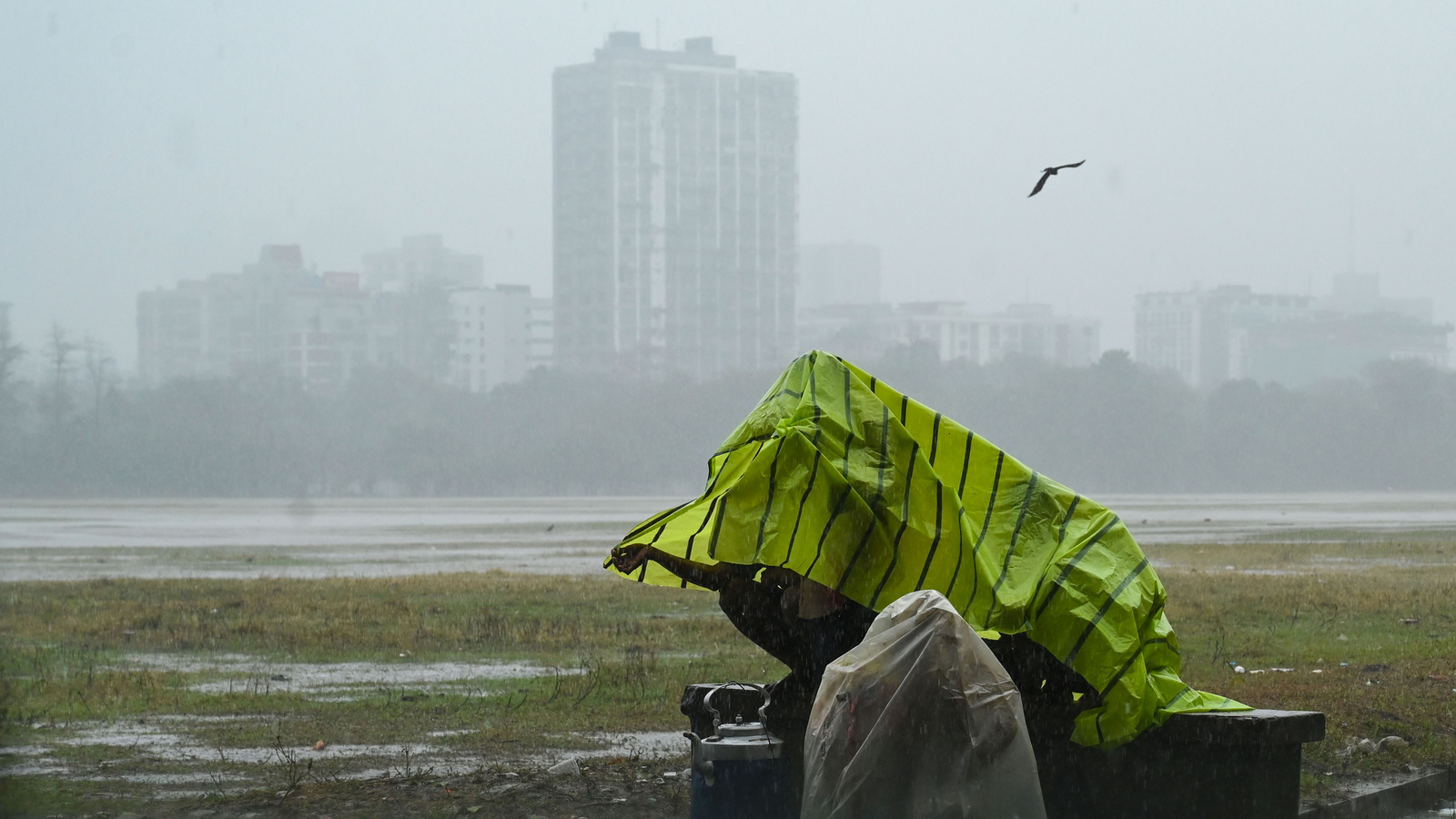
Kolkata has recorded one of its wettest March periods in recent years, with rainfall levels significantly exceeding seasonal averages.
The surge in precipitation places the month among the highest in over a decade, signalling increasingly erratic weather patterns in eastern India’s urban regions.According to meteorological data, the city received substantially above-normal rainfall, marking a sharp deviation from typical pre-summer conditions that are usually characterised by dry weather and rising temperatures. The Kolkata March rainfall trend highlights how climate variability is altering traditional seasonal cycles, with implications for urban planning and infrastructure readiness.Urban climate experts note that such anomalies are becoming more frequent, driven by changing atmospheric conditions and regional climate shifts. For a densely populated city like Kolkata, unseasonal rainfall can strain drainage systems, disrupt daily life and increase the risk of localised flooding, even outside the monsoon period.The Kolkata March rainfall also underscores the importance of maintaining and upgrading stormwater infrastructure. Sudden and intense rainfall events can overwhelm ageing drainage networks, particularly in low-lying areas. Experts emphasise that proactive investment in resilient infrastructure is essential to manage both expected and unexpected weather extremes.From an environmental perspective, excess rainfall during transitional seasons can have mixed effects.
While it may temporarily improve air quality and replenish water bodies, it can also impact soil stability, urban vegetation and construction activities. In rapidly developing urban zones, such fluctuations can disrupt project timelines and increase maintenance costs.Economic implications are equally relevant. Weather disruptions can affect transport systems, retail activity and informal sectors that depend on predictable conditions.In cities like Kolkata, where a large portion of the workforce operates in outdoor or semi-formal settings, irregular rainfall can directly influence daily earnings and productivity.The Kolkata March rainfall pattern also raises questions about long-term climate resilience strategies. Urban planners are increasingly focusing on adaptive measures, including improved forecasting systems, decentralised water management and the integration of green infrastructure such as wetlands and permeable surfaces.Public health considerations come into play as well.Sudden changes in weather can contribute to seasonal illnesses and affect vulnerable populations, particularly in areas with inadequate housing or sanitation infrastructure.Experts suggest that while isolated weather events may not define long-term trends, repeated deviations from historical patterns indicate the need for cities to prepare for greater variability. The Kolkata March rainfall serves as a reminder that climate resilience must extend beyond monsoon preparedness to include year-round risk management.
As Kolkata continues to grow, aligning urban development with climate realities will be critical. Strengthening infrastructure, improving planning frameworks and enhancing community awareness can help the city better navigate the challenges posed by increasingly unpredictable weather patterns.
Also Read:Kolkata Tram Revival Gains Momentum For Sustainable Transport
