


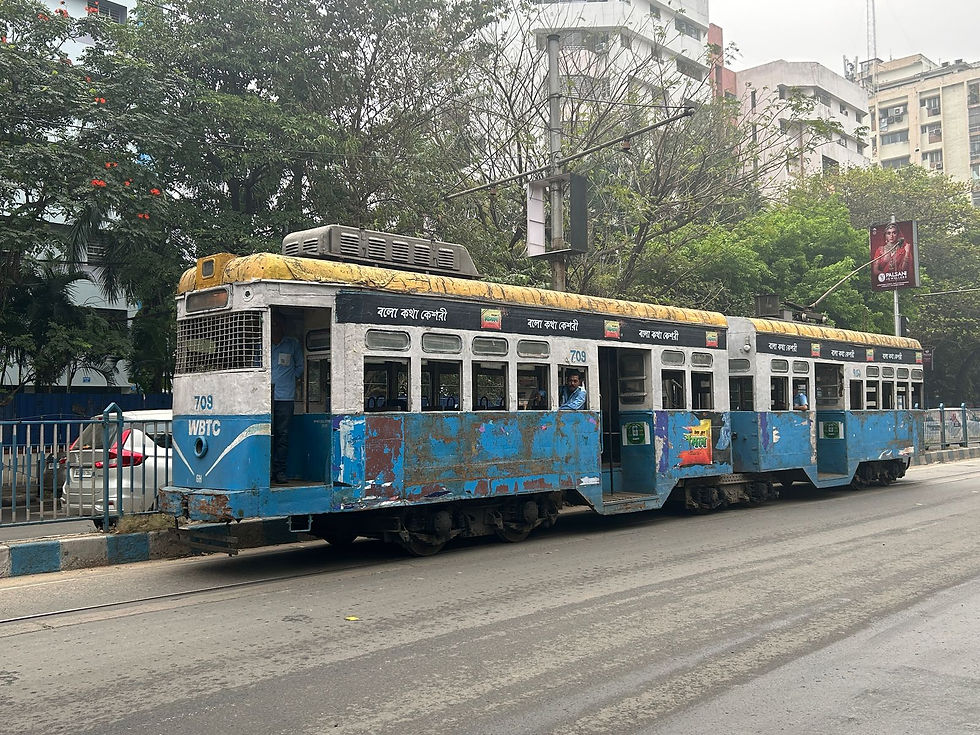
Calls to revive Kolkata’s tram network are gaining traction among commuters and urban mobility experts, as the city explores sustainable transport solutions to address congestion and emissions.
The renewed interest in restoring tram services reflects a broader shift towards low-carbon public transport in densely populated urban environments.The Kolkata tram revival debate centres on the potential of trams to provide efficient, eco-friendly mobility while reducing dependence on private vehicles. As one of the oldest tram systems in Asia, the network holds both historical significance and contemporary relevance in the context of climate-resilient urban planning.Transport specialists argue that reviving tram services could complement existing public transport systems, including buses and metro networks.By offering an additional mode of transit, trams can help distribute passenger load more evenly, improving overall system efficiency. The Kolkata tram revival is therefore being viewed as an opportunity to create a more integrated and multimodal transport network.From an environmental perspective, trams offer distinct advantages.Powered by electricity, they produce lower emissions compared to conventional fuel-based vehicles. In a city facing air quality challenges and rising traffic congestion, expanding electric public transport options can contribute to cleaner urban environments.However, experts caution that successful implementation will require significant investment in infrastructure modernisation.
Existing tracks, rolling stock and power systems may need upgrades to meet current operational standards. Ensuring compatibility with modern traffic systems and minimising disruption during redevelopment will be key challenges.Urban planners also highlight the importance of aligning tram routes with current travel patterns. Over time, changes in land use, population density and economic activity have altered mobility needs. The Kolkata tram revival would need to account for these shifts, focusing on corridors with high demand and strategic connectivity.Economic considerations are equally important. While initial capital expenditure may be substantial, long-term benefits such as reduced fuel consumption, lower maintenance costs and improved public health outcomes can offset these investments. Additionally, tram systems can enhance the attractiveness of urban areas, supporting local businesses and tourism.There are also implications for road space allocation. Integrating tram lines into existing road networks may require reconfiguration of traffic lanes and prioritisation of public transport. This can be a contentious issue, but experts argue that prioritising mass transit is essential for sustainable urban mobility.The push for Kolkata tram revival also reflects changing public attitudes towards transport. As awareness of environmental issues grows, there is increasing demand for greener alternatives that align with sustainable city goals. Reviving trams could serve as a visible commitment to these objectives.
Looking ahead, the feasibility of the Kolkata tram revival will depend on coordinated planning, stakeholder engagement and policy support. If implemented effectively, the initiative could play a pivotal role in reshaping urban mobility, offering a cleaner, more efficient transport option while preserving an iconic element of the city’s heritage.
Also Read:Kolkata Official Transfers Remain Routine Governance Process
