Delhi Budget 2026 Prioritizes Green Infrastructure Push
Delhi has unveiled a ₹103,700 crore public spending plan for the 2026–27 financial year, with a strong emphasis on infrastructure investment, sustainable mobility, and environmental initiatives—signalling a strategic push to strengthen the capital’s urban systems as population growth and economic activity intensify. Officials involved in the budget preparation said the Delhi Budget 2026 increases the city’s total expenditure by around ₹3,700 crore compared to the previous year. A substantial portion of the allocation is directed towards capital projects designed to upgrade roads, transport networks, waste management systems and civic infrastructure across the capital.
According to government data, nearly ₹30,799 crore has been earmarked for capital expenditure—funding that will support infrastructure upgrades and new development projects. Urban planners note that sustained investment in physical infrastructure is essential for Delhi as it confronts challenges linked to rapid urbanisation, pollution, and mobility pressures. A senior government official said that roughly three-quarters of the city’s budgetary resources are generated internally through taxes such as Goods and Services Tax and value-added tax, indicating a strong local revenue base. This financial structure allows the government to expand infrastructure spending while maintaining fiscal stability. The Delhi Budget 2026 also emphasises environmental priorities, reflecting the administration’s intention to align development with sustainability goals. Officials described the spending framework as a “green-oriented budget”, with allocations supporting cleaner transport systems, waste processing infrastructure and improvements to urban public services. Urban policy experts say such measures are increasingly important in megacities like Delhi, where vehicular emissions and unmanaged waste remain key contributors to air and environmental pollution.
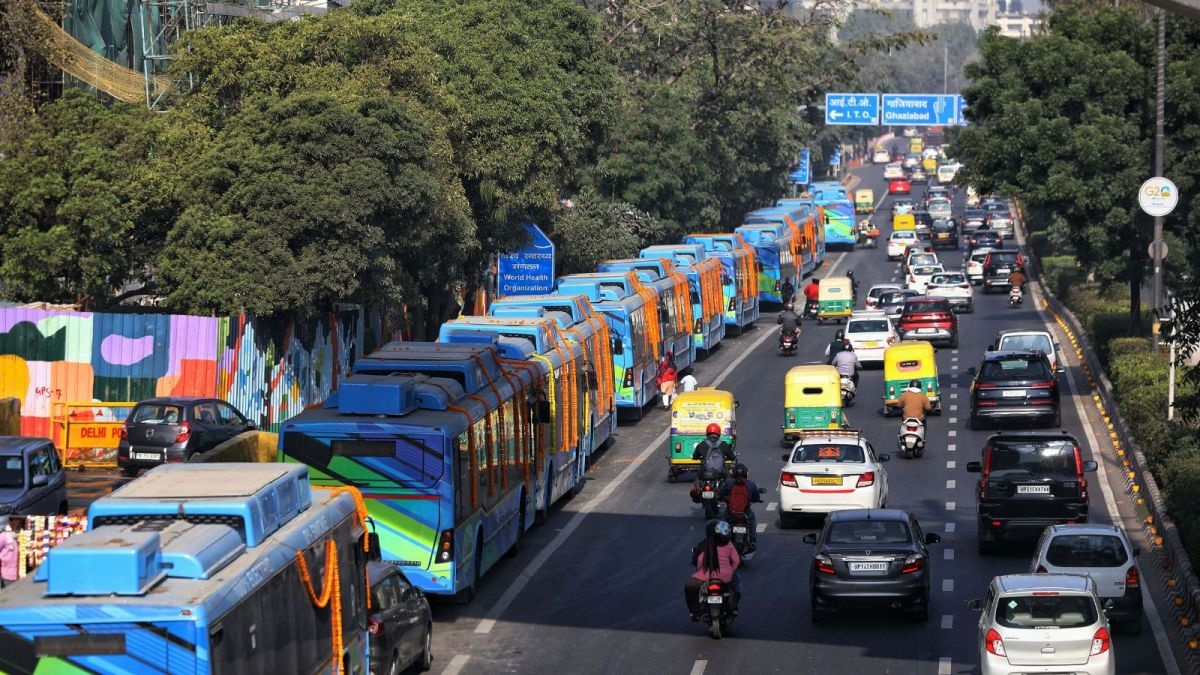
Expanding public transport networks and investing in waste management facilities could help reduce pressure on the city’s environment while improving everyday urban services. Alongside infrastructure spending, the budget includes a range of social initiatives aimed at strengthening access to healthcare, education and employment. Programmes under consideration include digital monitoring systems to improve hospital resource management, schemes to support education access for students, and measures aimed at expanding employment opportunities. Transport and mobility initiatives also feature prominently in the spending plan. Officials said proposals include the expansion of electric mobility and increased support for public transport services. Such investments are expected to play a role in reducing private vehicle dependency and improving air quality—an ongoing priority for policymakers and urban planners. Government representatives say the overall approach behind the Delhi Budget 2026 is to combine economic growth with improved urban services. Analysts note that this dual focus reflects a broader shift among Indian metropolitan governments toward integrating infrastructure expansion with environmental and social considerations.
As the spending plan moves into implementation, its impact will depend on project execution, coordination across agencies and the timely rollout of capital works. For a rapidly growing capital region, the success of these investments could shape Delhi’s urban development trajectory over the coming decade.