Indore Traffic Management Clashes With Public Transport Needs
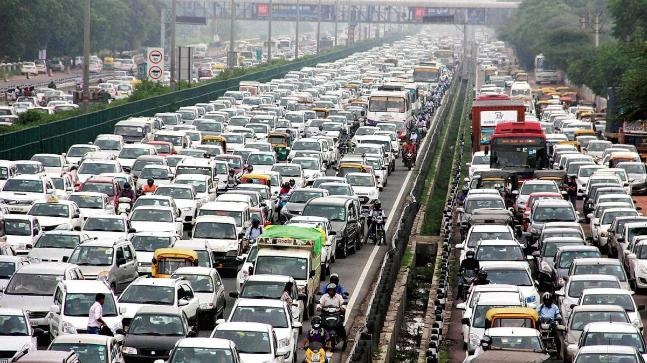
Indore’s evolving traffic management strategies are increasingly coming into conflict with the efficiency of its public transport system, raising broader questions about urban mobility priorities in rapidly growing cities.Recent changes in road usage patterns and traffic regulation measures have led to unintended consequences for city bus operations. Commuters and transport observers report that buses are facing delays and reduced operational efficiency due to diversions, restricted routes, and congestion management interventions designed primarily for private vehicle movement.
The Indore traffic management public transport conflict reflects a deeper structural issue in urban planning—balancing the needs of private vehicles with the efficiency of mass transit systems. While traffic control measures aim to reduce congestion and improve flow, they can inadvertently disrupt bus routes, increasing travel time and reducing reliability.Public transport systems rely heavily on predictable routes and schedules. Any disruption can impact ridership, as commuters may shift to alternative modes if services become inconsistent. In Indore, where buses serve as a key mode of affordable mobility, such inefficiencies can have widespread implications for daily commuters.Urban mobility experts argue that prioritising private vehicle flow over buses can undermine long-term sustainability goals. Efficient public transport is essential for reducing congestion, lowering emissions, and improving overall urban liveability. When buses are delayed or rerouted, the broader system loses its competitive advantage.The Indore traffic management public transport issue also highlights the importance of dedicated infrastructure for buses, such as priority lanes or signal prioritisation. Without such measures, buses often compete with private vehicles for road space, limiting their effectiveness.
From a citizen perspective, the impact is immediate. Longer travel times, overcrowding, and reduced frequency can make public transport less attractive, particularly for working professionals and students who depend on reliable commuting options.The situation underscores the need for integrated transport planning, where traffic management strategies are aligned with public transport objectives. Experts suggest that data-driven approaches, including real-time traffic monitoring and route optimisation, can help minimise disruptions while maintaining efficient flow.Indore’s experience reflects a broader trend across Indian cities, where rapid motorisation is reshaping road usage patterns. As vehicle ownership rises, cities face increasing pressure to manage congestion without compromising public transport systems.The challenge lies in adopting a people-first approach to mobility planning. Prioritising high-capacity transport modes such as buses can move more people using less road space, making them a more efficient solution for urban congestion.Authorities are expected to review the impact of recent traffic measures and explore adjustments that can better accommodate public transport. This may include revisiting route alignments, improving coordination between departments, and introducing dedicated corridors where feasible.
Looking ahead, resolving the Indore traffic management public transport conflict will be critical to ensuring sustainable urban mobility. Aligning traffic policies with public transport goals can help create a more balanced, efficient, and inclusive transport system.As Indore continues to grow, the choices made today in mobility planning will shape the city’s long-term trajectory—determining whether it evolves into a vehicle-centric system or a more accessible and sustainable urban environment.